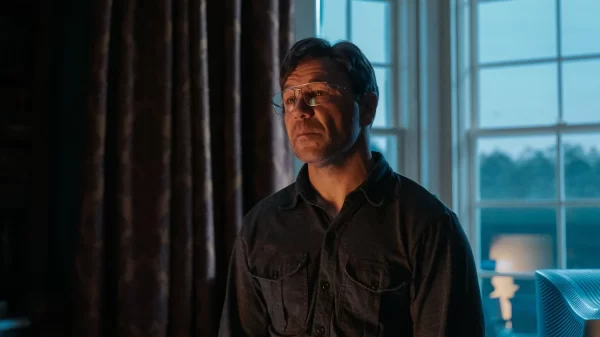


























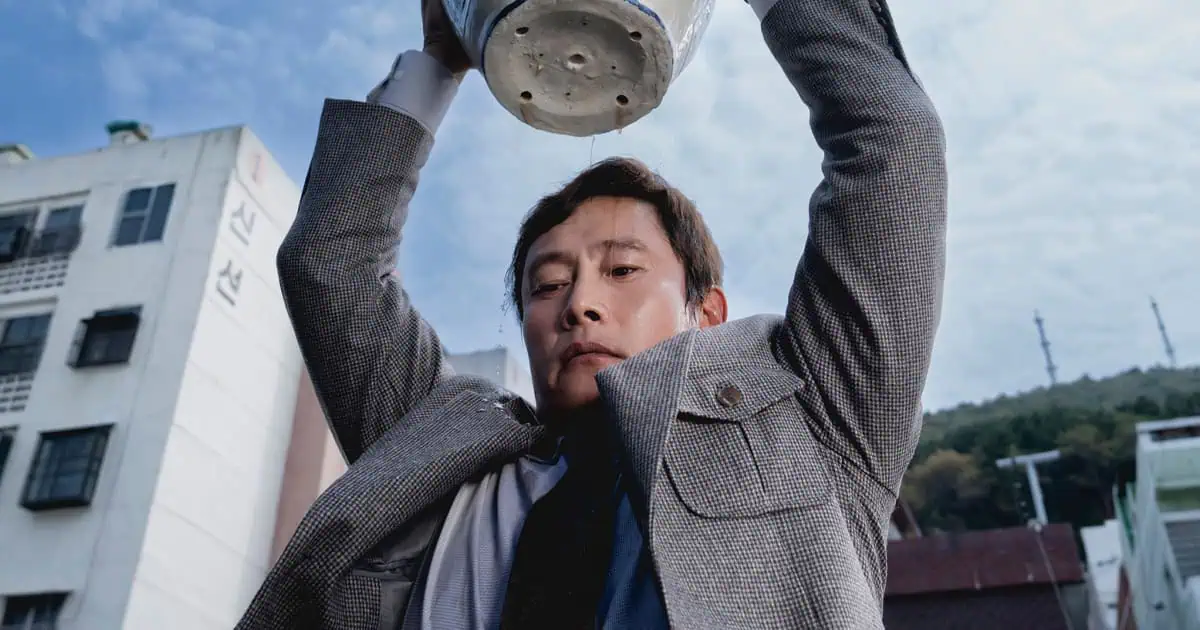
Park Chan-wook’s No Other Choice arrives as a timely black comedy-thriller, adapting Donald E. Westlake’s novel “The Ax” to the cutthroat landscape of modern South Korean job markets. The film follows Man-soo Yoo (Lee Byung-hun), a laid-off paper mill manager whose desperation leads him to a murderous scheme to eliminate competitors for a coveted position. While it doesn’t reach the masterful heights of Park’s classics like “Oldboy” or “The Handmaiden,” it offers a biting satire on capitalism’s dehumanizing grind.
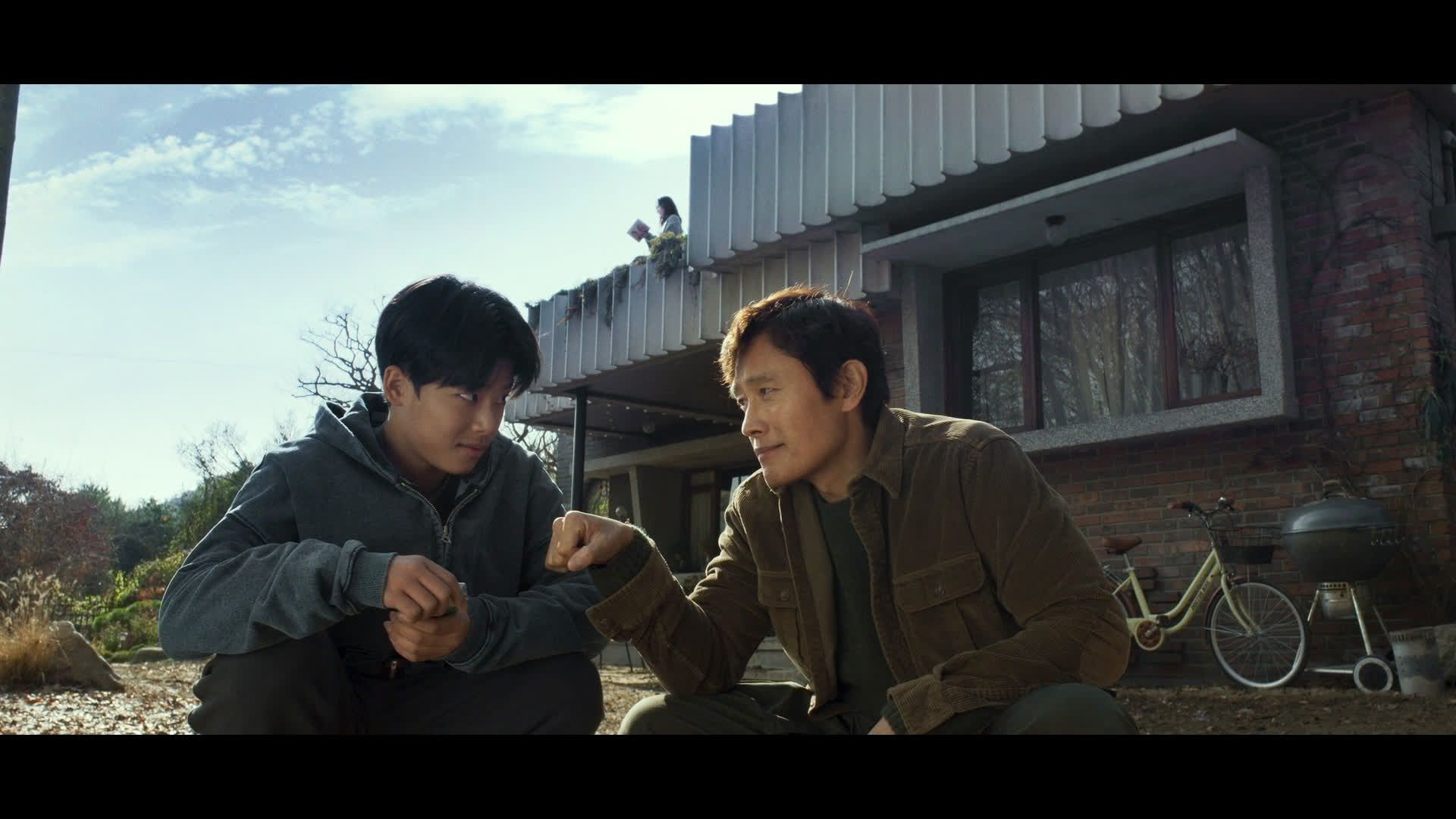
The premise is undeniably clever, drawing parallels to real-world economic anxieties where workers are discarded like outdated machinery. Park relocates the story to contemporary Korea, infusing it with local flavor—think automated factories replacing human labor and the quiet shame of middle-class downfall. This setup allows for sharp commentary on masculinity, family pressures, and the paradox of survival in a system that values profit over people. It’s a narrative that feels painfully relevant.
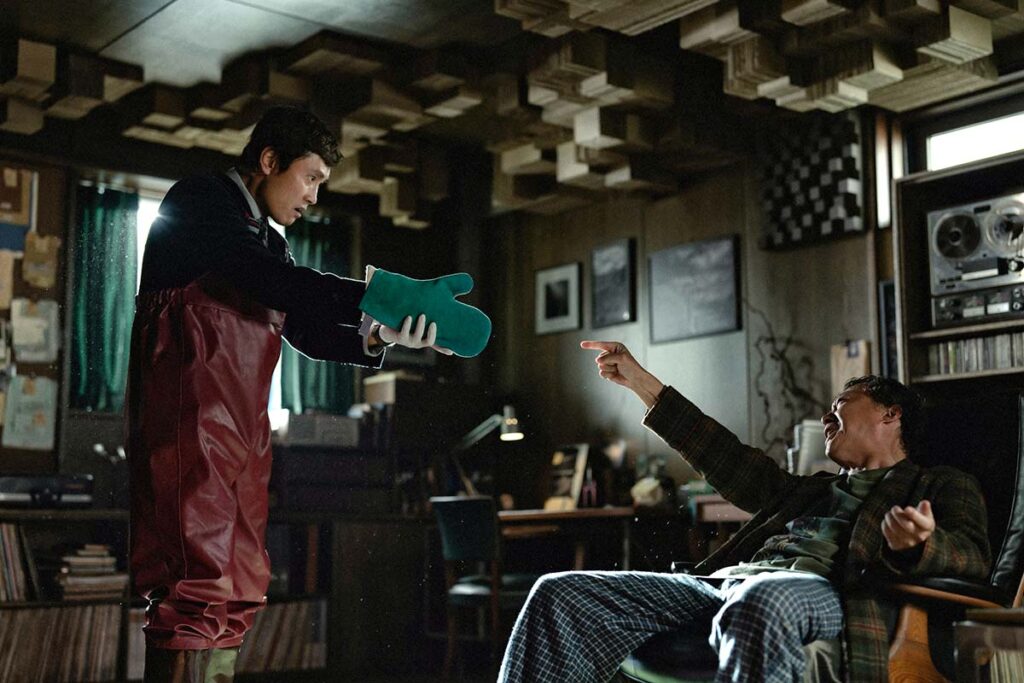
Lee Byung-hun delivers a standout performance as Man-soo. Known for tougher roles in films like “I Saw the Devil,” he surprises here with physical comedy reminiscent of Charlie Chaplin, fumbling through assassinations with a mix of determination and buffoonery. His chemistry with Son Ye-jin, playing his supportive yet strained wife Mi-ri, adds emotional depth, grounding the satire in relatable domestic tensions. The supporting cast, including the children, contributes to the film’s exploration of familial fallout.
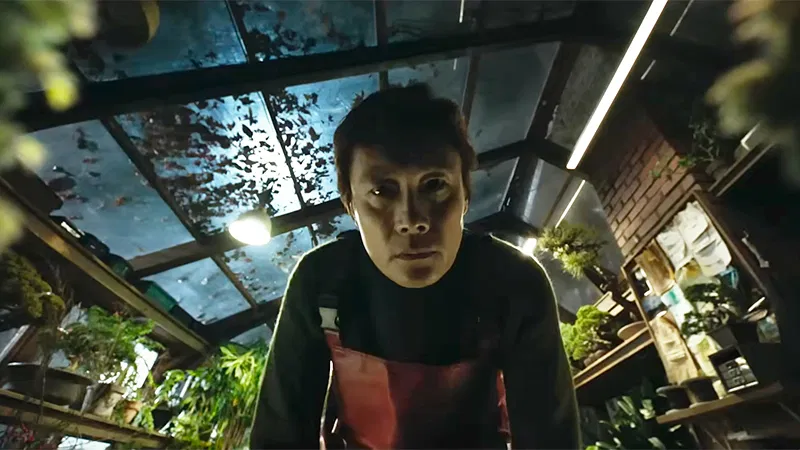
The first part of the film is funny and silly, kind of like “Looney Tunes,” with Man-soo’s early attempts at murder turning into hilarious failures. Park’s awareness of how silly the plan is makes these scenes even funnier, showing Man-soo’s desperate and pathetic situation without making him seem like a bad person. This helps the audience sympathize with him, seeing him more as a victim of a broken system than a true villain—something many people can relate to, especially those who have faced job insecurity. However, the tone shifts in the second half, and while this change is intentional, it doesn’t always flow smoothly. As Man-soo becomes more skilled at killing, the movie takes on a darker, thriller-like mood, and the comedy fades away, which can feel a bit jarring.
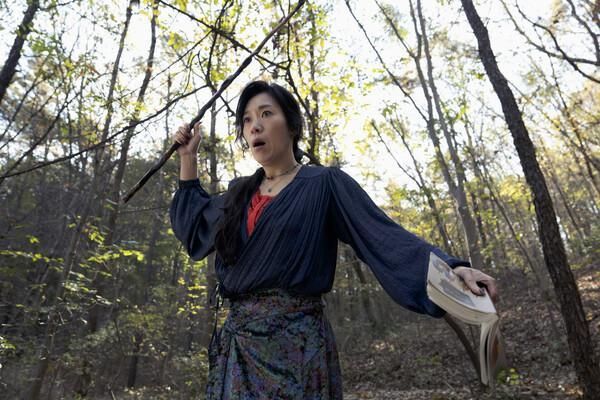
Despite these ups and downs, the ending hits hard. It turns the absurdity into a sharp critique of capitalism and its contradictions. It shows Park’s talent for irony, even if the overall journey feels uneven. The final message is powerful and unsettling, encouraging viewers to think about how far someone might go to regain their dignity in a harsh, unforgiving world.
No Other Choice is a vibrant, if imperfect, addition to Park Chan-wook’s filmography—visually striking and thematically bold, with enough laughs and insights to make it worthwhile.
Screening at Luna Leederville and Luna on SX from January 15.
Screening in the Luna Outdoor January 9 (First Look Event), then January 15-18.
- Email: neill@outloudculture.com
- Socials: @frazer.live
- @neill.outloud