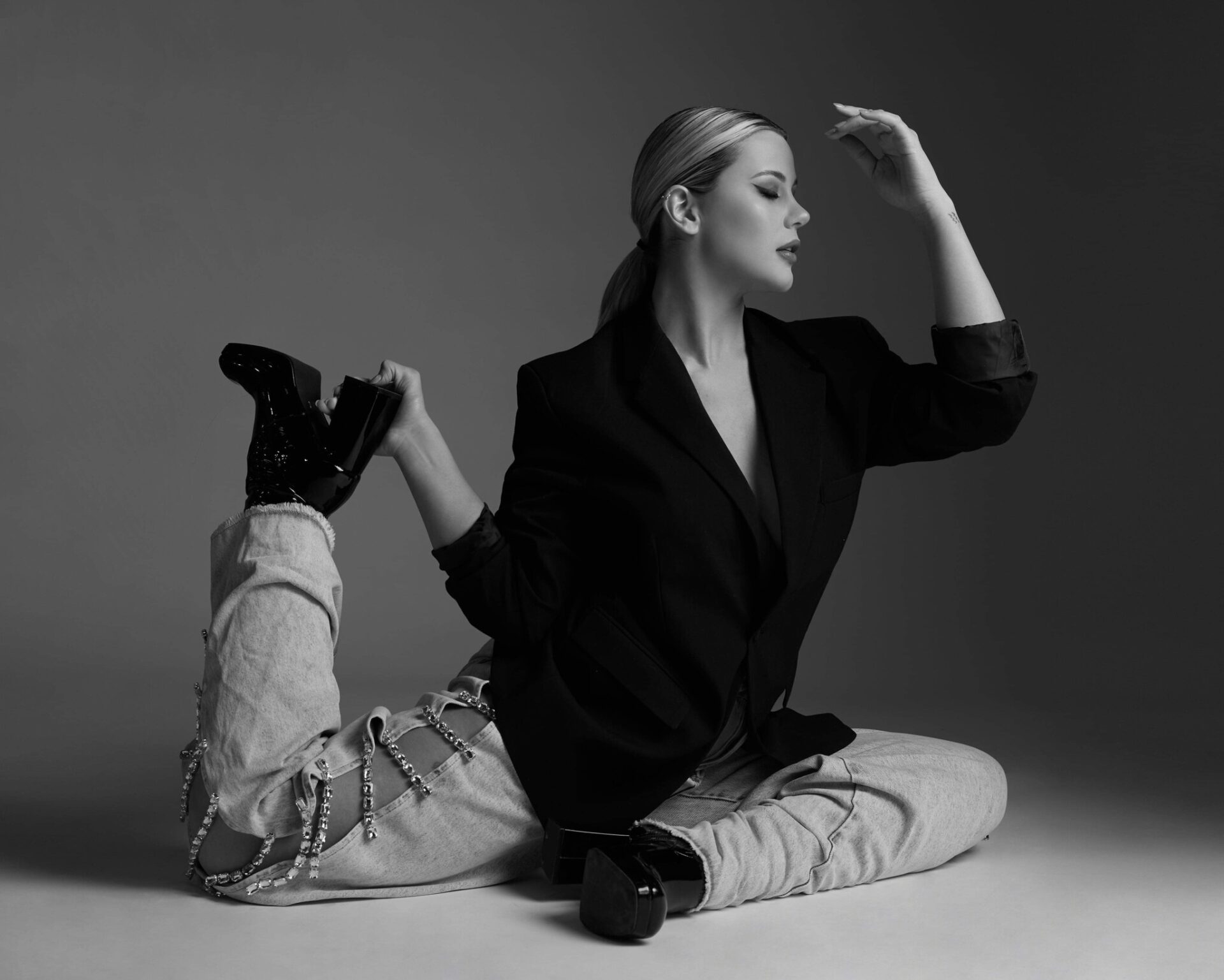
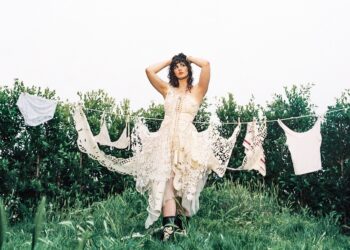
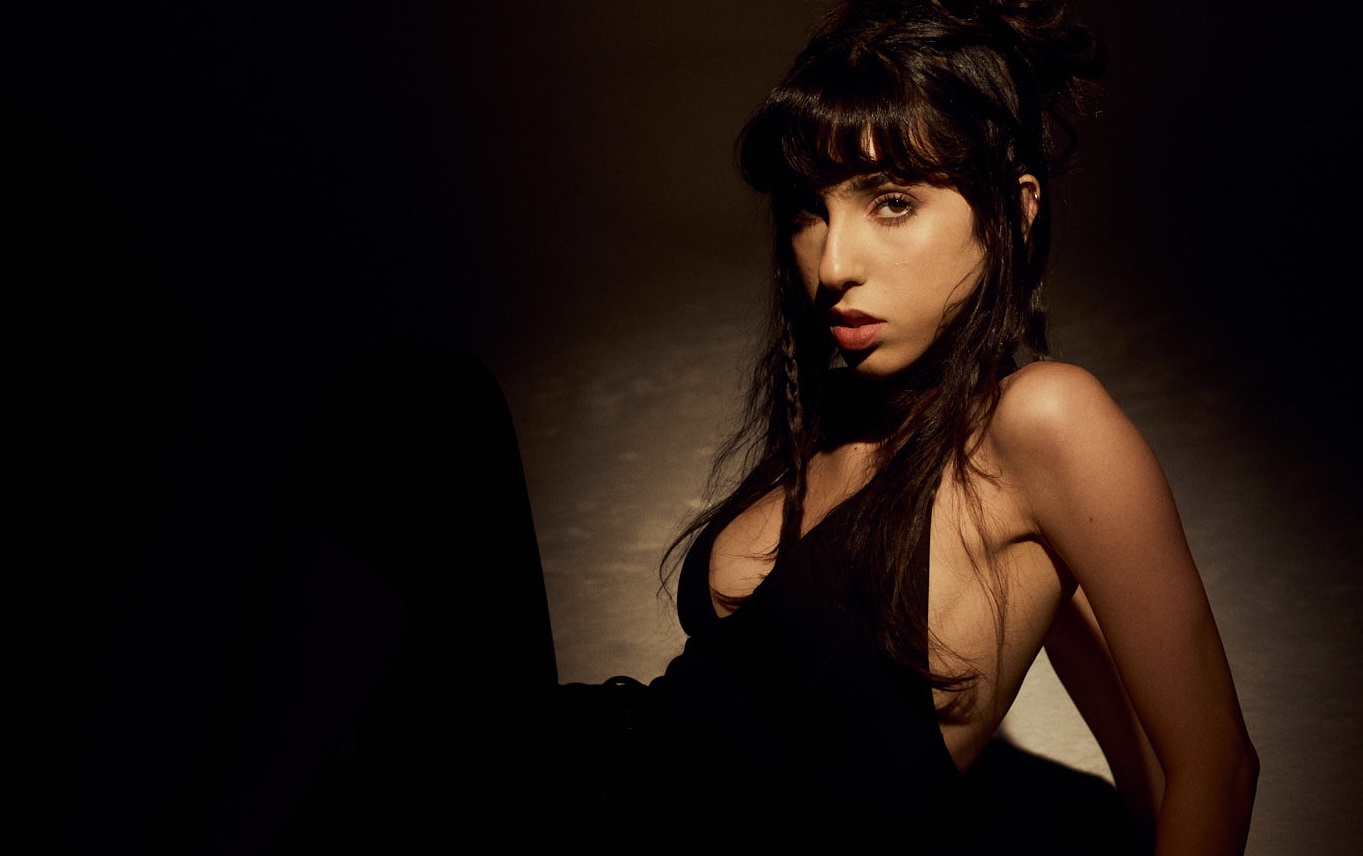
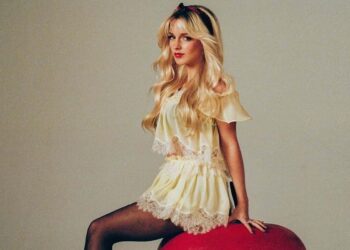
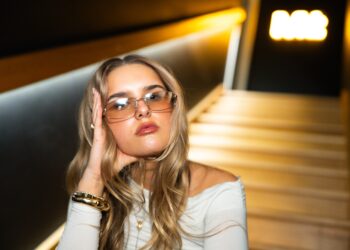
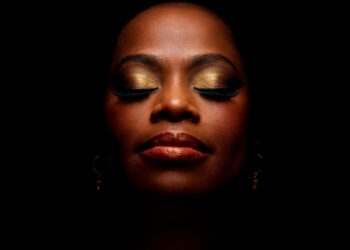


Lily Lane isn’t just making music, she’s making a statement. Blending soul-soaked vocals with pop sparkle, the East Coast artist has carved out her lane as a bold performer and unapologetic advocate for body positivity, women, and LGBTQ+ rights. A former Wilhelmina Curve model turned soul-pop powerhouse, Lane’s star power lies in her ability to pair glamour with grit, delivering songs that are as empowering as they are irresistibly catchy.
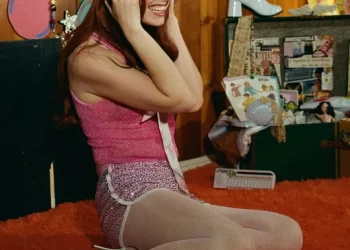
Her latest single, “Don’t Stop,” is a sultry, playful Y2K-inspired pop track that leans into intimacy and desire with a wink. Showcasing her softer upper register in a dreamy, sensual way while still delivering the cheeky confidence she’s known for, the song captures the irresistible pull of giving into passion. Produced by Taylor Sparks, it reimagines the early-2000s era Lane grew up idolizing, think Mariah Carey, Mýa, Christina Aguilera, and Britney Spears, through her own voice and lens. With sweet-meets-sexy lyricism and a nod to the Sabrina Carpenter lane of modern pop, “Don’t Stop” gives us a taste of her upcoming Domesticated EP, a body of work that explores the fun, sexy, and sometimes frustrating realities of life after “happily ever after.”
The new single follows “Reciprocation,” where Lane channeled the spirit of Aretha Franklin with modern pop bite. Its accompanying music video is a Motown-inspired spectacle that feels like a 1960s Ed Sullivan Show performance, complete with Supremes-style choreography, but with a hilarious, painfully real twist. Performing to a single disinterested man (the very one who inspired the song), Lane delivers glamour, wit, and raw emotion, putting on a dazzling show begging for reciprocation that goes unnoticed. Styled entirely with ethically sourced vintage and secondhand designer pieces from eBay and The RealReal, the video was a family affair shot in Brooklyn by her husband (a filmmaker and creator of Comedy Central’s Legends of Chamberlain Heights), making it as personal as it is fabulous.
Lane’s dynamic sound and bold storytelling have made her a rising star in the sync world, landing placements with Pretty Little Liars, Netflix, HBO Max, Bravo, and numerous beauty campaigns. Her music has been spotlighted on coveted Spotify editorial playlists and praised by tastemakers including NYLON, Just Jared, and Earmilk. A natural performer, Lane has lit up stages from a sold-out headline show at The Peppermint Club in Los Angeles, to West Hollywood Pride opening for Jessie J and Madison Beer, to Madison Square Garden singing for the Knicks. She’s also shared bills with Big Time Rush, JoJo, and Hot Chelle Rae.
Catch Lily Lane live at Hotel Ziggy in Los Angeles on October 21st, where she’ll be bringing her signature mix of glamour, grit, and unapologetic soul-pop to the stage.
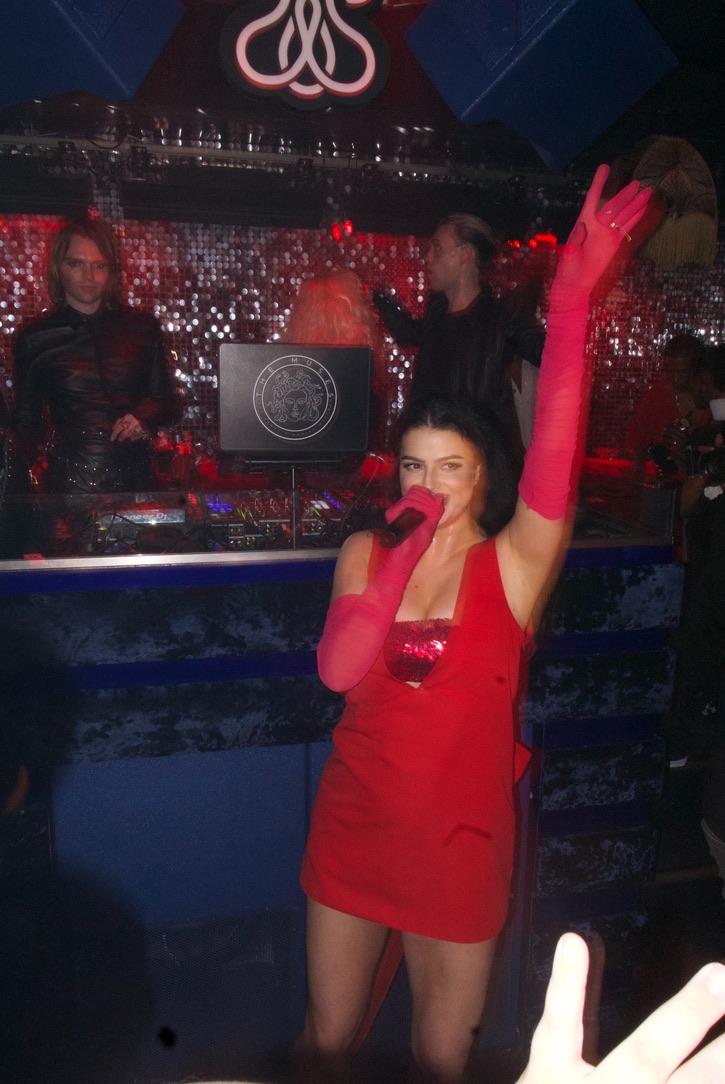
1. Lily welcome to OLC! “Don’t Stop” has such a playful, sultry Y2K energy — what drew you to revisit that early-2000s sound, and how did you make it feel authentically you?
I’ve always loved that era of pop because I grew up on it and it shaped me into who I am it was so unapologetically fun and confident. The early 2000s had this flirty, glittery energy where songs didn’t overthink or try to say too much they just made you feel good. With “Don’t Stop”, I wanted to bring that feeling into my world. The production has that Y2K bounce, but the storytelling and vocals are very me, soulful, playful, and confident. I wanted to take a nostalgic sound and dress it up in my own sauce so it feels familiar but still fresh. I wanted it to be the kind of song you blast while getting ready for a date with the love of your life or the song that makes you scream and grab your girlfriends and head directly to the dance floor for your music video moment.
2. You’ve described your upcoming Domesticated EP as exploring “the fun, sexy, and sometimes frustrating realities of life after happily ever after.” Can you tell us about a specific song that captures that theme most vividly?
While the song “Domesticated” is the one that I titled this project after and I feel like really describes where I’m at in my life right now, “Reciprocation” to me captures the “fun, sexy and sometimes frustrating realities of happily ever after” the best. It is literally about having a partner, knowing they’re perfect for you and you are so happy to be with them but they are also a human being with flaws and nobody is perfect and living with someone 24 hours a day 7 days a week is pretty difficult and right now you kind of want to strangle them a little bit, with humor and love of course but still. Happily ever after isn’t always happy sometimes it is super annoying, and you just want your person to give you 5 minutes of alone time, or to get out of the bathroom when you need it, or just to show some reciprocation!
3. You’ve got such a dynamic vocal style — soulful yet pop-forward. How do you approach blending those influences in the studio without losing your unique tone?
I struggle with it, and I don’t always get it right but it is pretty hard for me to hide that soul and desire to not just sing but sang. I was a little worried about singing in “Don’t Stop” like I did on the record because it isn’t usual for me and I was worried I didn’t sound like me. I definitely want to be recognizable but I also want to be able to show my range and knowing how and when to do that is hard. I am lucky I work with collaborators who encourage that exploration like my producer Taylor who really told me to trust him on the delivery of this one. I think I sing it even a little less pop and more soulful live but I am glad it sounds the way it does on the record, it really is the y2k whisper-pop sound I was going for that I heard growing up.
4. You often mix empowerment with sensuality in your songs. How do you strike that balance between confidence and vulnerability in your writing?
By being honest with both sides of me, having songs like “Bad” and “Cry Baby” in the same set list, singing “He Ain’t Shit” and “Love Me Like I Do” back to back. The balance is in the duality and showing that every baddie is also sometimes a saddie and that doesn’t take away from her strength.
5. The video for “Reciprocation” feels like a full-scale production meets personal catharsis — what was it like performing such an emotional piece in such a tongue-in-cheek way?
The video let me lean into my inner diva who yes is a little campy, and a little dramatic but still tells the story honestly (okay maybe a little exaggerated). That balance between vulnerability and playfulness is where I feel most like myself as an artist. It was also a lot of fun, and my husband was definitely not even acting by the end because he had to deal with an eight-hour day of shooting me before we even started filming his part.
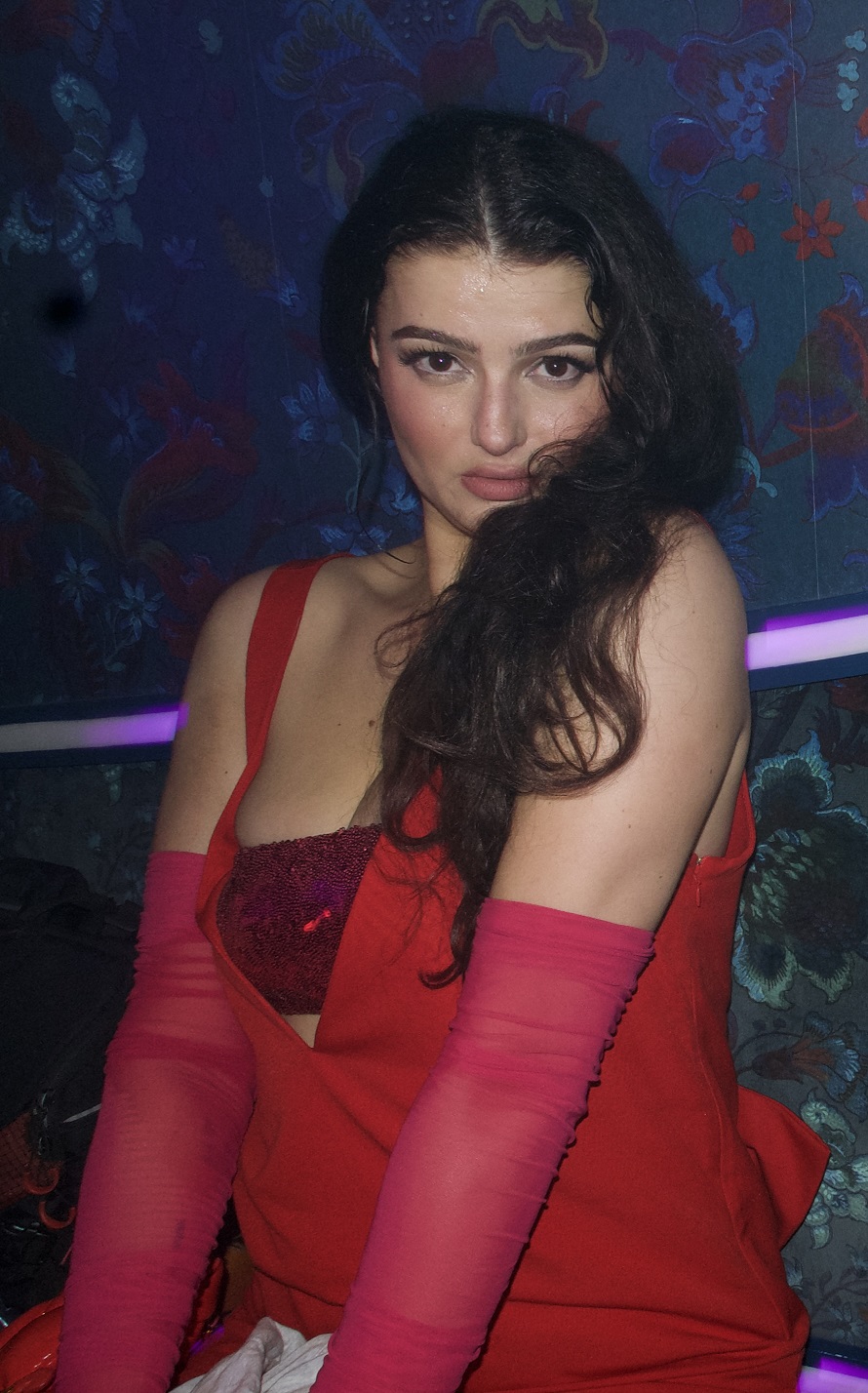
6. You collaborated with producer Taylor Sparks on “Don’t Stop.” What was your creative chemistry like, and how did you both shape the final sound?
Working with Taylor Sparks is honestly always the best. That guy is one of my best friends. From the second we started, there was this instant creative flow with no overthinking, just good energy and big ideas. We both are a similar age and love that playful, flirty Y2K vibe, so it felt natural to lean into it. Taylor is amazing at making production feel alive and pushing me to try to go even further to take it there. I’d throw out a reference or a vibe, and he’d take it and elevate it in a way that still felt true to me. And fun fact : that’s actually his distorted voice in the post-chorus refrain a la Timbaland. So it wasn’t just a behind-the-scenes collab; his voice is literally in the record.
7. Your music nods to icons like Mariah Carey, Christina Aguilera, and Mýa — if you could duet with one artist from that era, who would it be and what would you sing together?
“Don’t Stop” definitely is heavily influenced by the sultry whisper of Mariah and the sexual freedom of the Stripped era. For a duet I’d say probably Alicia Keys or Amy Winehouse if we’re thinking early 2000’s, but I also wouldn’t turn down a duet with two of the greatest voices of all time Mariah and Christina, I just don’t know how I would focus, I’d be in awe the whole time, I would hate to sing over them at any point! With Alicia Keys in particular she has some great duets I’d love to sing on like My Boo or maybe sing with both Xtina and Alicia Keys on their duet Impossible! I feel like I taught myself to sing listening to that song.
8. You’ve always been outspoken about body positivity and LGBTQ+ rights. How do you weave those messages into your music without it feeling forced or “preachy”?
By making it an aspect and not the focal point of the story. A lot of my songs have been inspired by my own relationships and ones that were inspired by women I made the music video and visuals true to that- I’m thinking of the song “thirsty” in particular; the song itself wasn’t obviously about a woman and I could have hid that or left it up to interpretation but I cast a female love interest in the music video because that was the truth in the song. Having a female love interest wasn’t a huge “gotcha” moment it just was, because love just is. “Don’t Stop” feels sonicly like a more mature “Thirsty” actually, I’d definitely put them on a playlist or a set list together. In terms of body positivity I feel a similar way, I have always had people of every body shape and size in my videos because that is what is in my every day life. I don’t have one kind of friend (though they all are gorgeous!) and I don’t have a narrow vision of beauty. I find beauty in all shapes and sizes so whether I’m a size 4 or a size 24 I’m going to be proud of my body and I’m going to surround myself with gorgeous people on the inside and outside of all shapes and sizes. Again, I don’t do it as a big political statement or to be “brave” or whatever, I do it because my art reflects my real life and it wouldn’t be honest if it was just a bunch of one kind of person, especially one who add to the unattainable beauty standard in most media today.
9. As a former Wilhelmina Curve model, you’ve seen both the fashion and music industries up close. How has that experience shaped your views on beauty, confidence, and representation in entertainment?
Being a curve model gave me a front row seat to how much beauty standards can shape the way people see themselves. I learned really early on that confidence doesn’t come from fitting into someone else’s definition of beauty, it comes from owning your own. That perspective has carried over into everything I do in music.
I want to take up space exactly as I am and create work that makes other people feel like they can too. Representation matters and not just in who’s on the stage or in the campaign, but in how we tell stories, how we show emotion, how we let people feel seen and how we let people change and grow as it works for them. Modeling gave me thick skin, but it also gave me a deep appreciation for showing up authentically, which is the heart of everything I do as an artist. It made me spend a lot of time executing someone else’s vision so I never take it for granted that I now get to execute my own.
10. You’ve performed everywhere from Pride stages to Madison Square Garden — what’s been your most memorable live moment so far, and why?
I think West Hollywood’s OutLoud Raising Voices Pride Festival in 2022 might be my favorite. It was the best energy, the weather was perfect, the stage was huge it was one of my only shows that have been all ages in the last few years. Getting to see different generations in the audience dancing together and celebrating and singing along was magic. It also was the first show where I didn’t have a live band or dancers so it was just me and I was nervous about filling up such a big stage by myself but once I was out there it was easy and gave me so much confidence in my ability to put on a show under any circumstances.
11. Your songs have been featured in major TV shows and campaigns — how does it feel hearing your music in a scene or ad for the first time? Does it change how you view your own work?
There’s nothing cooler to me than hearing my music out in the world. I’ve always dreamed of being the soundtrack to people’s lives, so every film, TV scene, or ad placement is a chance for someone new to make it their own anthem. Most of my sync placements happen after a song is already out, so they don’t change how I write or think about the music. By then, I’ve already formed my own connection to the song and what it means to me. But with songs like “Brand New,” which was written for a specific project (The Home Edit on Netflix), the meaning comes alive when I finally see it in that world. It’s a special kind of magic to know the song was created for something bigger than myself and that a whole team believed in it before anyone else had heard it. It makes me happy knowing every song I release can mean something completely different to someone else.
12. With Domesticated on the horizon and your Hotel Ziggy show coming up, what can fans expect?
Fans can expect a show that’s playful, soulful, and a little bit chaotic in the best way. The Domesticated era is all about embracing love, vulnerability, and a cheeky kind of confidence, so the show at Hotel Ziggy is going to reflect that energy. Think: retro housewife meets pop diva with a touch of rebellion and lots of outfit changes.
It’s not just a concert, it’s a little world I’ve been building with fun visuals, sing-your-heart-out moments, and a lot of personality. Fans can expect songs they know, songs they haven’t heard yet, and maybe a few surprises in between. I want everyone to leave feeling like they got to step into my universe for a night. If you come to one of my shows in NYC or LA this month you will really get to experience the EP before anyone else.
https://www.instagram.com/lilylane