






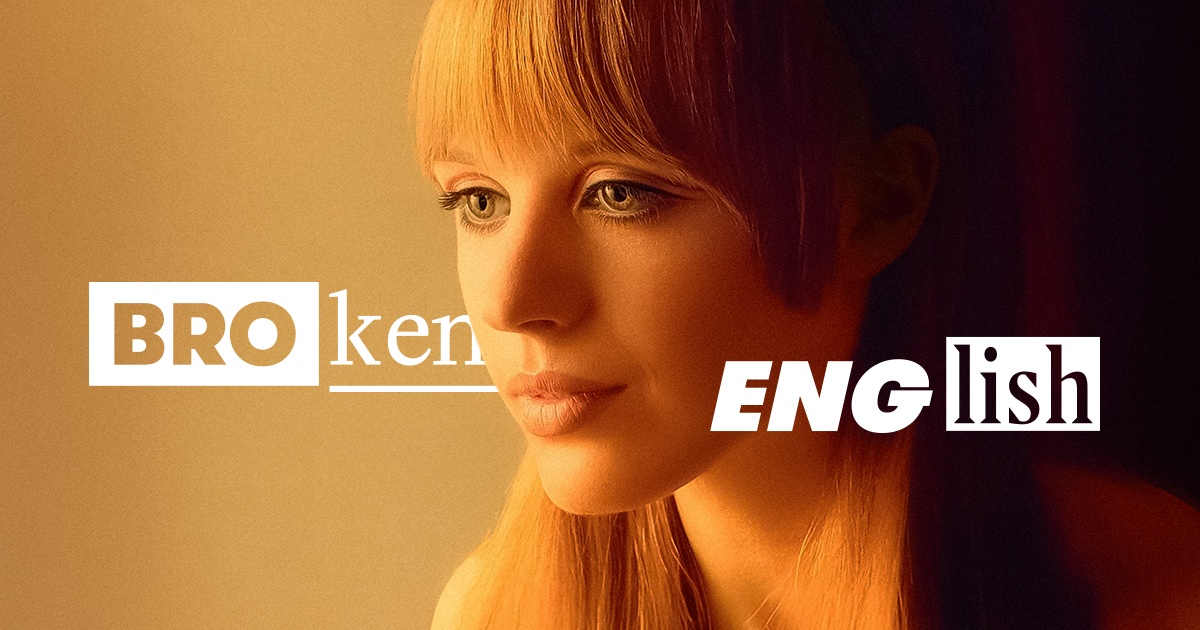
There is no denying that Marianne Faithfull lived a fascinating life. From her emergence as a young star in the 1960s to her struggles with addiction, personal turmoil and eventual reinvention as an artist, there is more than enough material for a compelling documentary. Unfortunately, Broken English left me feeling that it was more interested in how it could tell Faithfull’s story than in simply telling it.
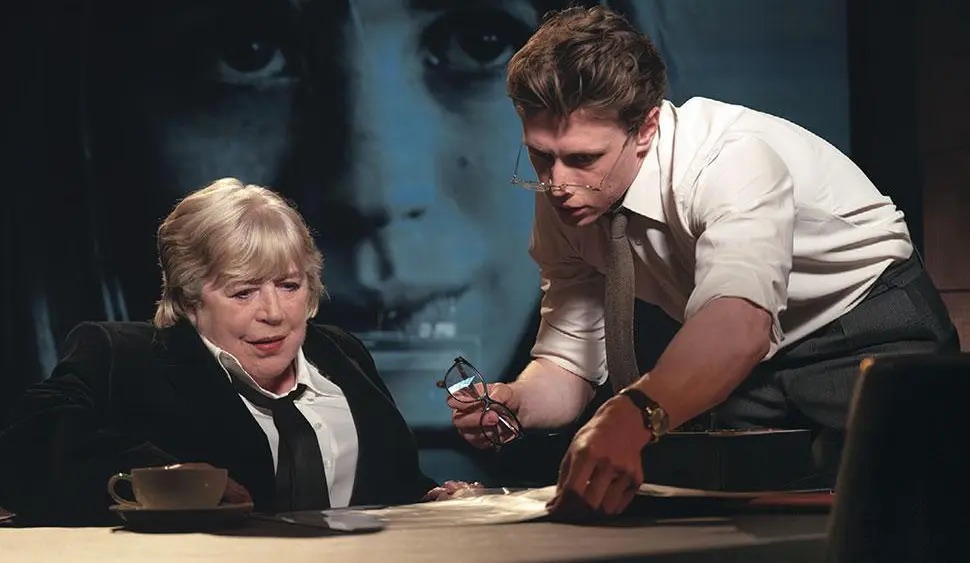
Directed by Iain Forsyth and Jane Pollard, the documentary takes a decidedly unconventional approach. Rather than presenting a straightforward account of Faithfull’s life and career, the filmmakers construct a fictional “Ministry of Not Forgetting,” with Tilda Swinton and George MacKay helping guide an investigation into the singer’s past. Faithfull herself is placed at the centre of this unusual framework, reacting to archival footage and reflecting on different chapters of her life.
It is an ambitious idea, and I can appreciate what the filmmakers are attempting to achieve. The intention seems to be to challenge the way Faithfull has been remembered and to separate the woman from the mythology that has surrounded her for decades. There are certainly some fascinating moments, particularly when Faithfull herself is allowed to speak about her experiences.
But for me, the detective-style execution ultimately gets in the way.
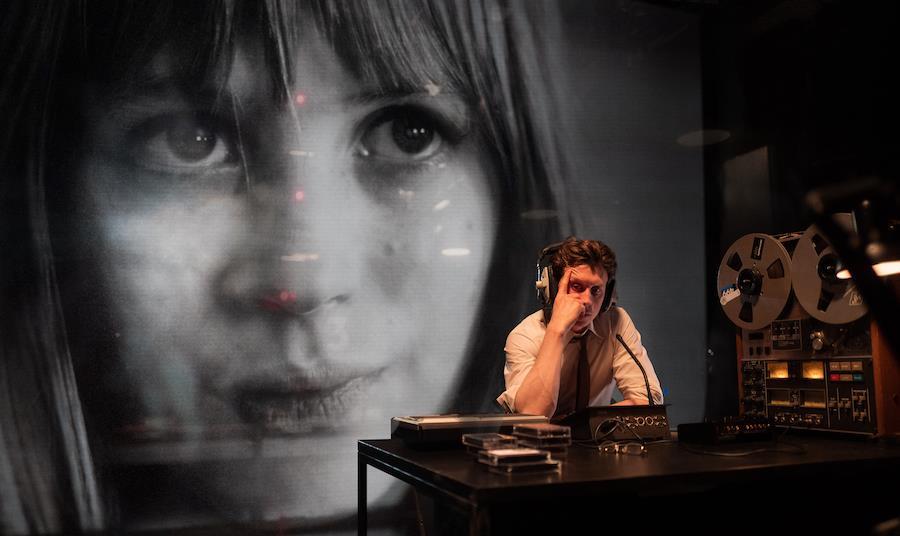
As someone who knew very little about Marianne Faithfull before watching Broken English, I came away feeling as though I had learned a handful of stories about her rather than gaining a real understanding of who she was. The film touches on her rise to fame, her struggles and her artistic career, but the fragmented structure made it difficult for me to connect all those pieces into a complete portrait.
This is particularly frustrating because Faithfull herself is clearly the most interesting element of the film. Her personality, honesty and resilience shine through whenever the elaborate framework falls away. The documentary is at its strongest when it simply allows her to reflect, speak and perform.
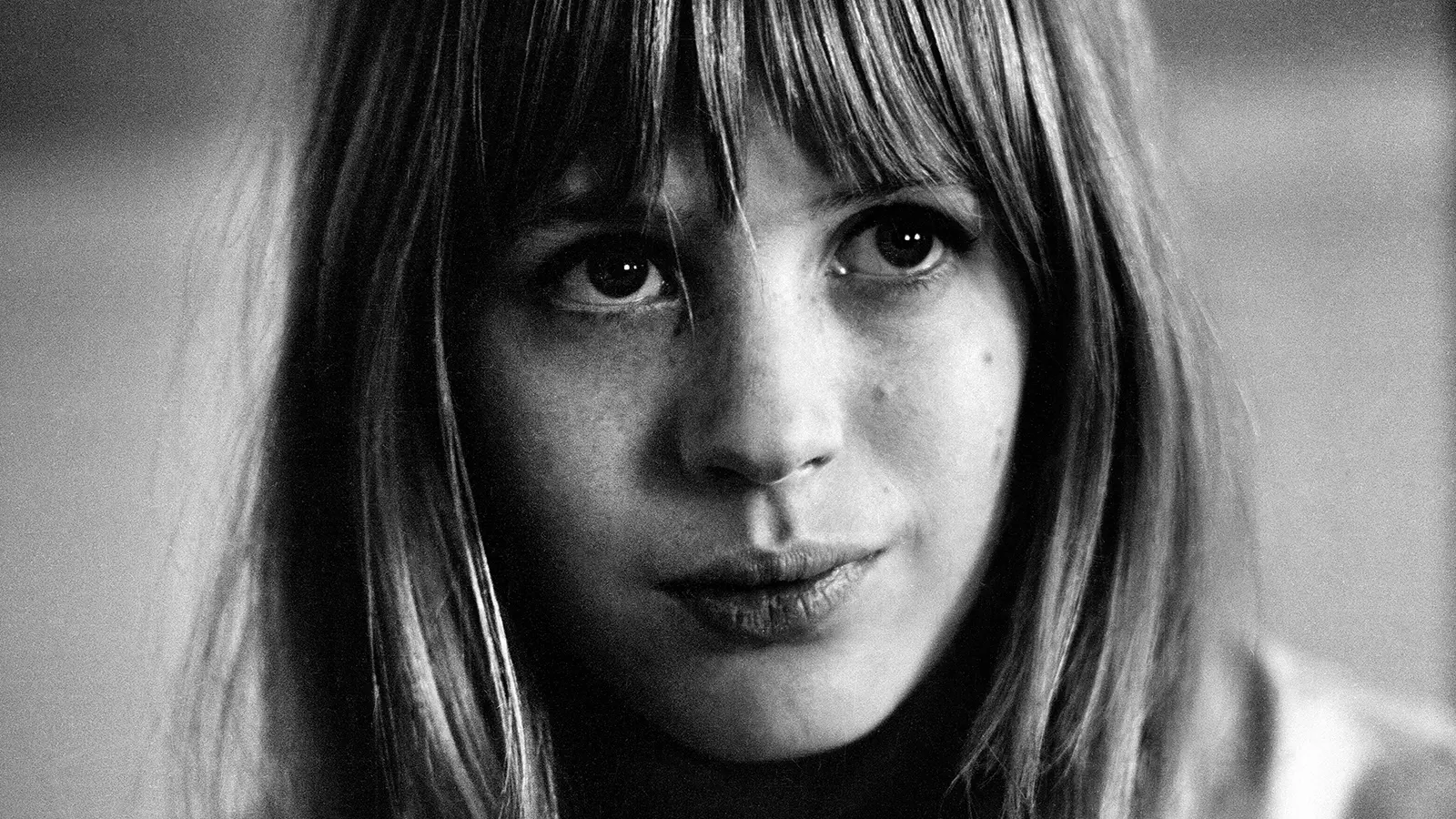
I couldn’t help wondering what Broken English might have been had it abandoned some of its more theatrical elements and instead given us Faithfull’s story from beginning to end. I would have loved to learn more about the woman behind the headlines, but also about Marianne Faithfull the artist — her music, her creative evolution and the different stages of her career.
There is an undeniably emotional quality to seeing Faithfull look back on her extraordinary life, particularly knowing this would become her final artistic statement. And the film does capture glimpses of the remarkable person she was.
However, for a documentary about someone whose life was already filled with so many extraordinary chapters, I found the filmmaking choices unnecessarily complicated. Instead of making me want to discover more about Marianne Faithfull, the structure often left me wishing the film would simply slow down and tell me her story.
Broken English is undoubtedly an inventive and unconventional documentary, but for someone coming to Faithfull’s story with little prior knowledge, I don’t think it provides the comprehensive introduction I was hoping for. There is a fascinating film somewhere within it — I just wish it had been less interested in the investigation and more interested in the woman at the centre of it.
Screening exclusively at Luna Leederville from September 17.
- Email: neill@outloudculture.com
- Socials: @frazer.live
- @neill.outloud