












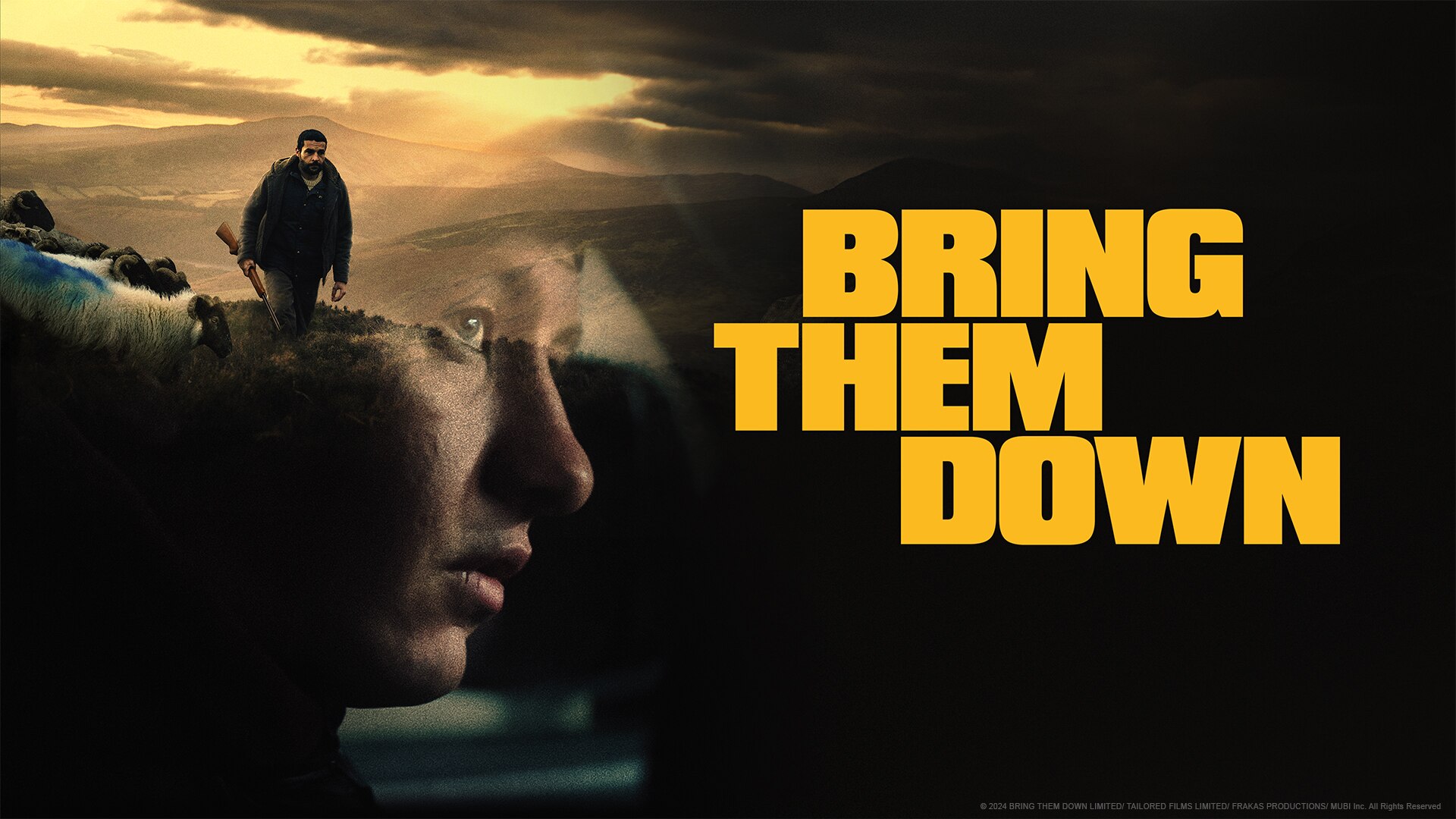
Christopher Andrews’ debut feature Bring Them Down transforms petty rural squabbles into a full-blown blood feud between two shepherding families in the stark landscapes of west Ireland. Starring Christopher Abbott as the brooding Michael and Barry Keoghan as the volatile Jack, the film delves into generational trauma, misplaced grudges, and the inescapable cycle of violence, all set against a backdrop of shared hills and dwindling livelihoods.
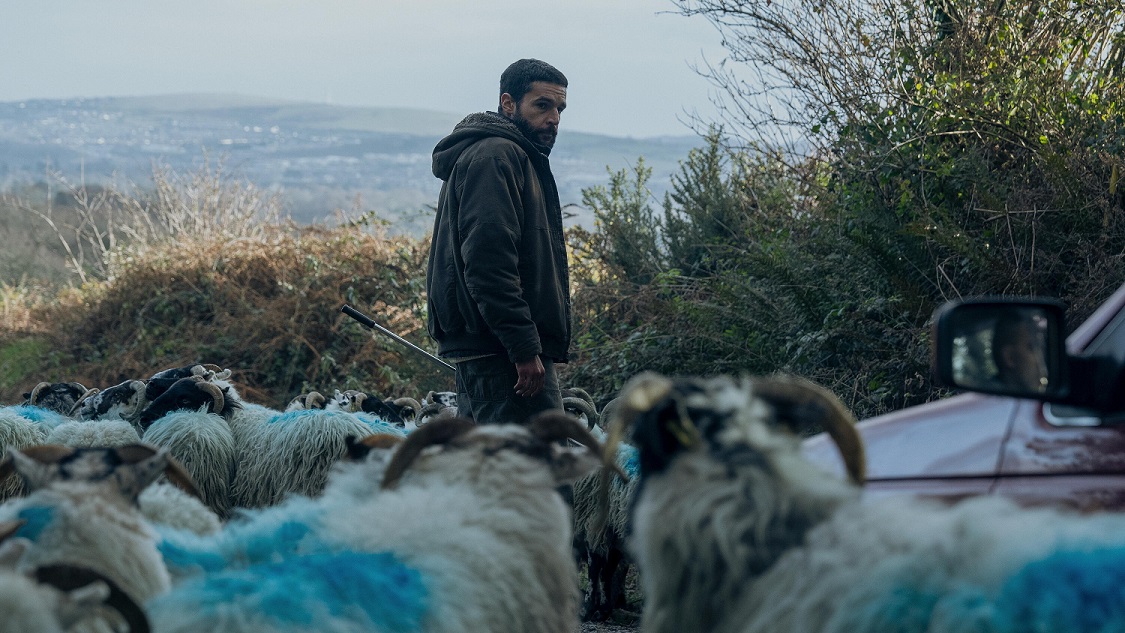
Abbott and Keoghan deliver powerhouse performances. Abbott, mastering both an Irish accent and Gaelic dialogue, conveys Michael’s quiet suffering and simmering capacity for brutality with subtle intensity, while Keoghan brings a raw vulnerability to Jack, capturing youthful immaturity and desperation despite being slightly older than the role suggests.
One of the film’s standout elements is the score—a pulsating, percussive blend of rhythmic beats and traditional instrumentation that is the heartbeat under the tension. This unique sound design heightens the unease, contrasting the serene countryside with an undercurrent of impending doom.

Andrews cleverly structures the narrative: the first half unfolds largely from Michael’s perspective, building suspense around perceived threats, while the second reframes events through Jack’s eyes. This dual viewpoint reveals misunderstandings and distorted memories, enriching the story without excusing the escalating cruelty.
What makes Bring Them Down a tough watch is its unflinching brutality, including simulated violence toward animals—maimed sheep and mercy killings—that feels visceral and necessary to the rural harshness, though it may distress sensitive viewers. The misery piles on relentlessly, portraying characters trapped in isolation, ego, and inherited bitterness, where revenge offers no satisfaction.
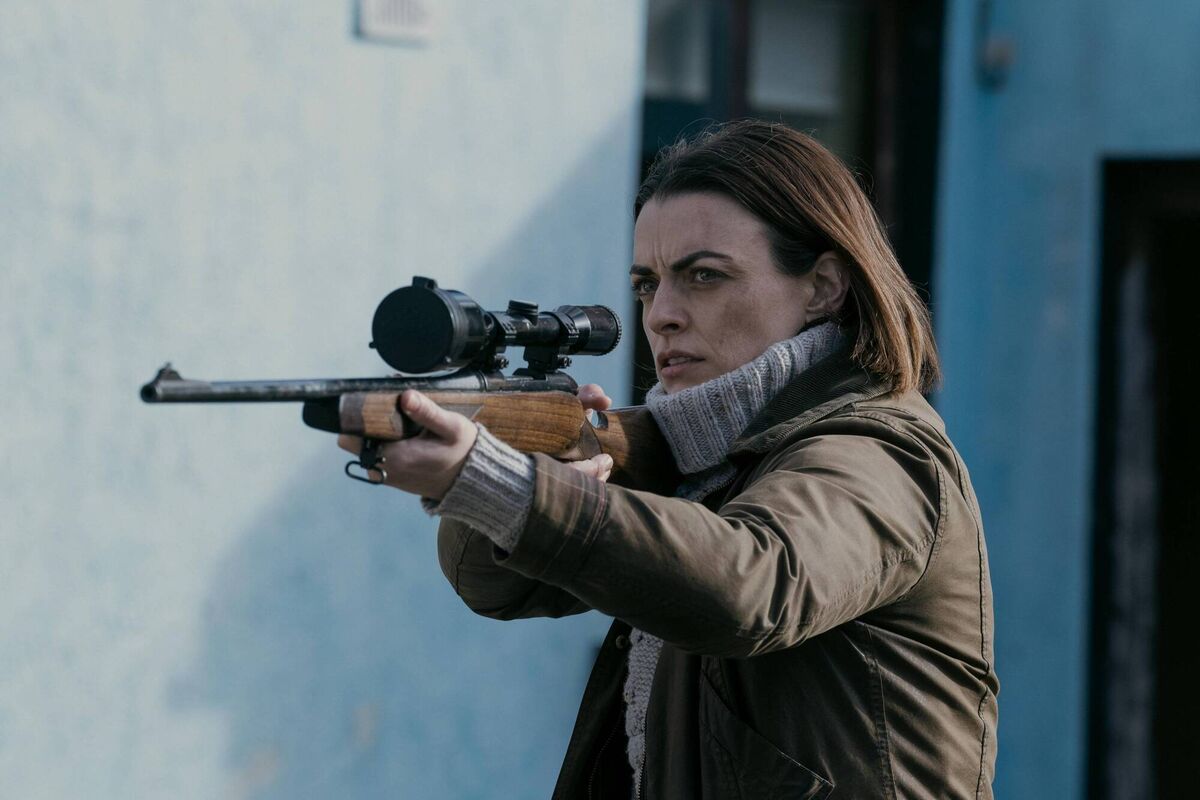
In the end, Andrews crafts a bleak, nuanced tragedy that recycles familiar themes of violence begetting violence, but with refreshing cultural specificity—partially in Irish and rooted in paternal legacy. It’s a solid, atmospheric debut that hits hard on trauma and communication failures, even if it doesn’t always land with maximum impact amid the repetitive gloom. A compelling, if downbeat, addition to modern Irish cinema.
- Email: neill@outloudculture.com
- Socials: @frazer.live
- @neill.outloud