














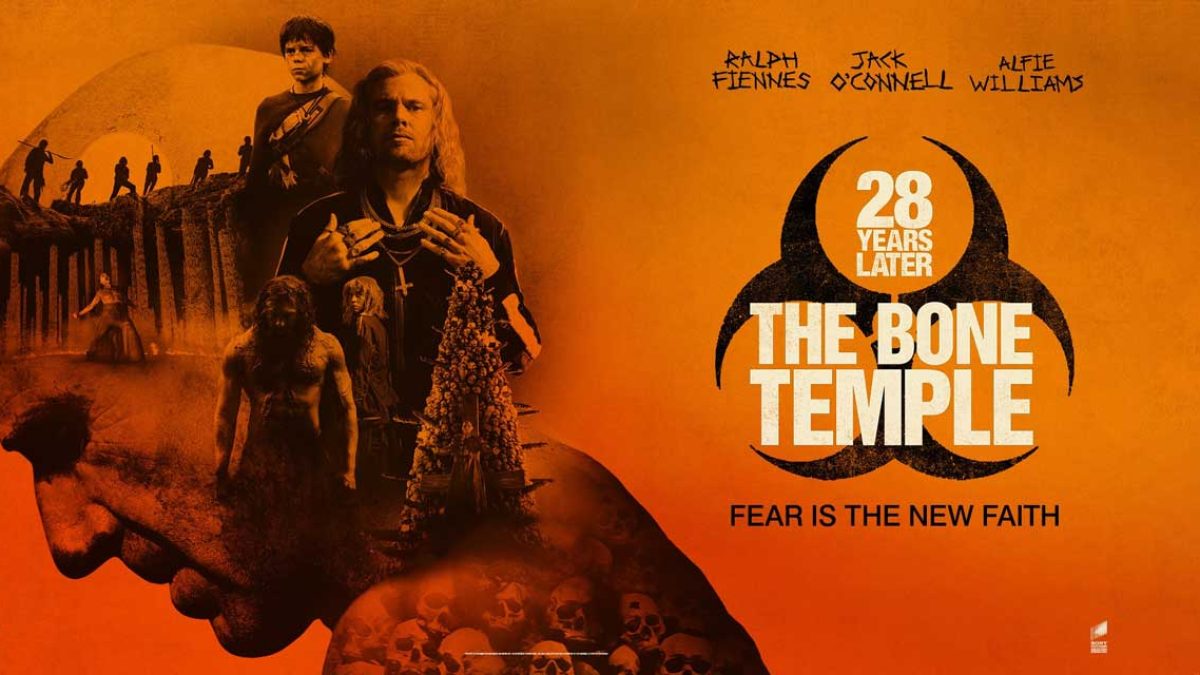
As the direct follow-up to last year’s 28 Years Later, 28 Years Later: The Bone Temple doesn’t just continue the saga—it elevates it, transforming the Rage Virus apocalypse into a canvas for exploring humanity’s deepest fears. Director Nia DaCosta infuses the film with a bold visual flair, making every frame feel alive with menace. This isn’t merely a zombie movie; it’s a haunting meditation on what survives when civilization crumbles.
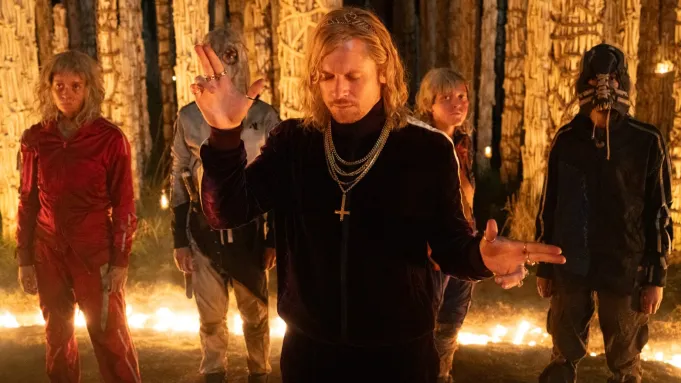
What makes The Bone Temple such an exceptional sequel is its fearless evolution of the franchise’s DNA. Building on the folkloric undertones introduced in 28 Years Later, it strips the narrative to its skeletal core—pun intended—while weaving in layers of myth and ritual. Alex Garland’s script masterfully expands the world without losing the intimate dread that defined the originals, turning post-apocalyptic Britain into a labyrinth of faith, folly, and ferocity. It improves upon its predecessor by sharpening the stakes, making the infected feel less like monsters and more like echoes of our own unraveling society.
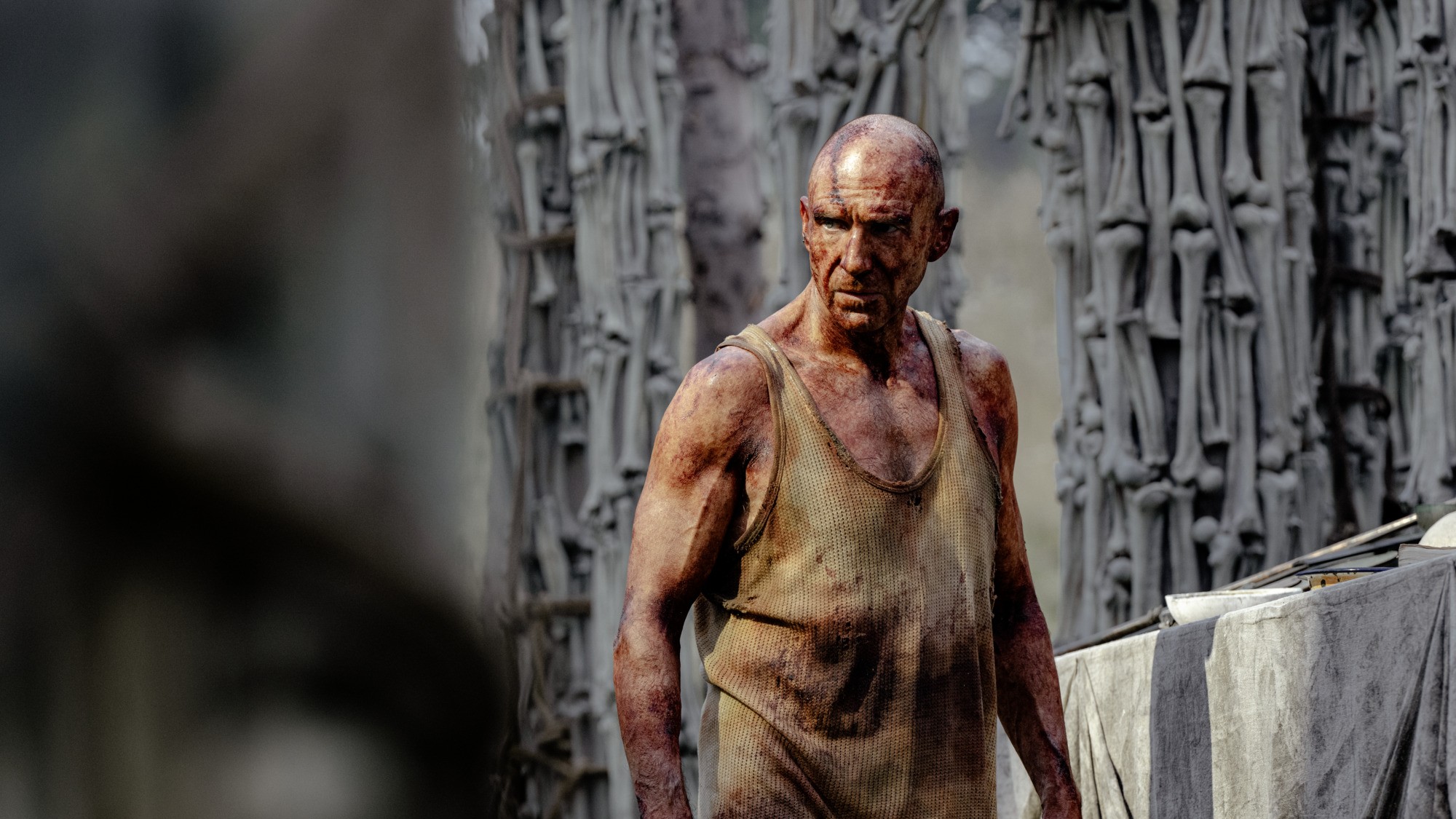
The film’s atmosphere is its crowning achievement, a suffocating blend of beauty and brutality that lingers long after the credits roll. DaCosta’s direction captures the eerie splendor of overgrown ruins and bone-strewn temples, combined with the eruptions of raw horror. One of the most innovative aspects is the absence of a singular protagonist, opting instead for a tapestry of interlocking perspectives that enrich the story’s depth. We follow Dr. Ian Kelson, the reclusive humanist played by Ralph Fiennes, alongside young Spike’s harrowing induction into a sadistic cult led by the chilling Sir Jimmy Crystal. This shared narrative approach, ensures no character feels sidelined.
Nia DaCosta proves once again why she’s a visionary in horror, translating Garland’s ideas into a visually audacious experience. Her camera work is kinetic yet precise, zooming in on grotesque details—like ritualistic sacrifices and brain-feasting frenzies—while pulling back to reveal the stark poetry of a world reclaimed by nature. The Bone Temple’s gore is purposeful, never gratuitous, serving to underscore themes of ritualized violence and the thin line between civilization and savagery.
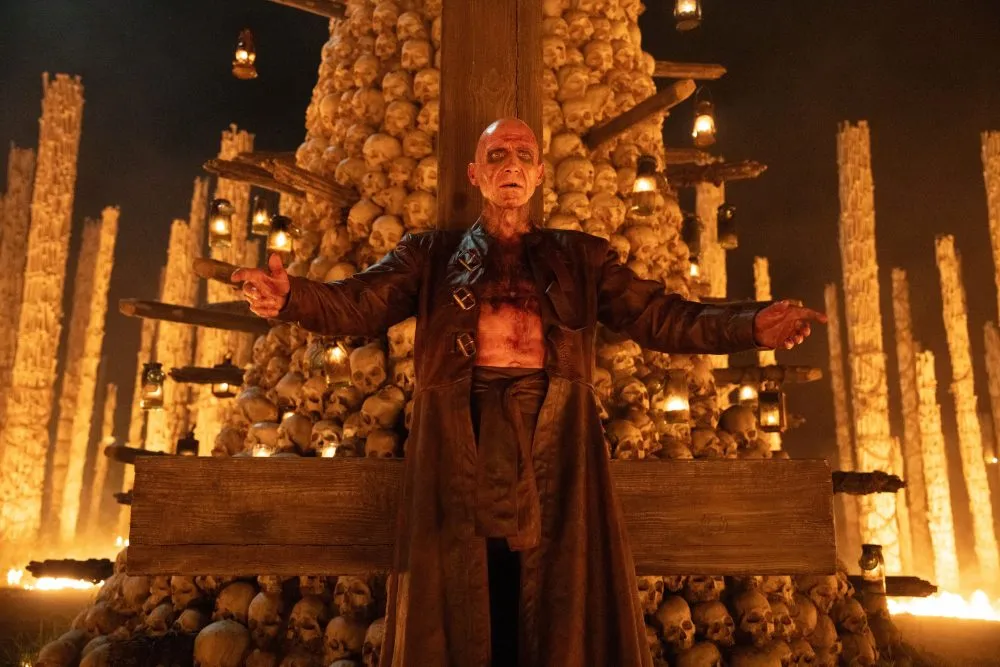
At the heart of it all is Ralph Fiennes, delivering what might be the performance of his career. As Dr. Kelson, he embodies a man teetering between madness and mercy, his physicality raw and riveting— from quiet, compassionate monologues to explosive, unhinged outbursts. Fiennes brings a fearless vulnerability to the role, making Kelson’s solitude feel palpably human amid the apocalypse. The supporting cast shines equally bright, with Jack O’Connell’s Sir Jimmy Crystal emerging as a villain of terrifying plausibility— a charismatic psycho whose ideology blends delusion with deadly charisma.
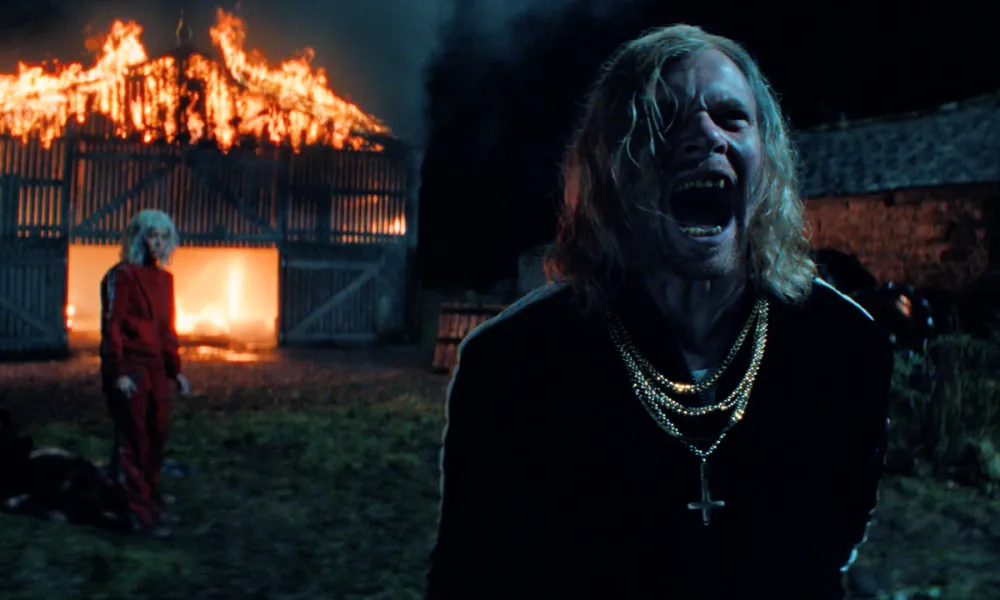
Ultimately, 28 Years Later: The Bone Temple stands as the franchise’s pinnacle, a bold, brainy entry that thrills and provokes. It leaves you pondering the maggots of pride in our own world while eagerly anticipating the trilogy’s finale. For fans and newcomers alike, this is essential viewing.
- Email: neill@outloudculture.com
- Socials: @frazer.live
- @neill.outloud