













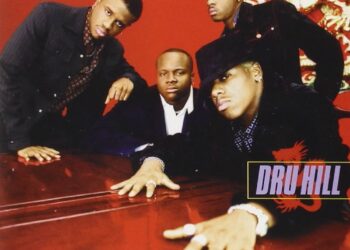

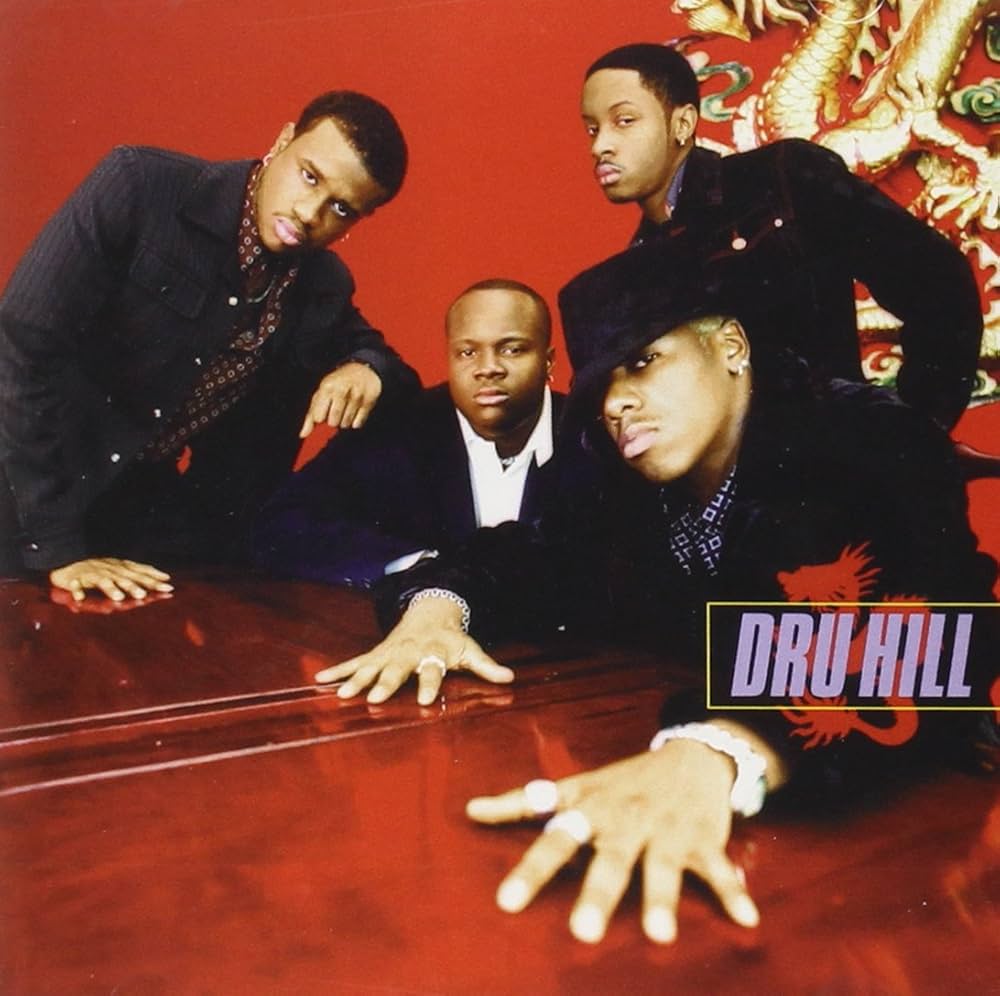
Dru Hill remains one of R&B’s most resilient treasures, crisscrossing the globe on sold-out tours that blend nostalgia with fresh energy. The group’s signature four-part harmonies, once the soundtrack of late-’90s romance, now fill arenas from London’s O2 to intimate U.S. theaters, proving that real soul never fades. With an expanded lineup delivering classics like “Tell Me” and “In My Bed,” fans old and new are rediscovering why this Baltimore quartet captured hearts worldwide.
The story begins in 1992 in the vibrant streets of Baltimore, Maryland, when Tamir “Nokio the N-Tity” Ruffin gathered three talented friends to form what would become a powerhouse. Mark “Sisqó” Andrews brought his flashy charisma and soaring vocals, Larry “Jazz” Anthony added smooth depth, and James “Woody” Green (later Woody Rock) completed the quartet with gospel-infused passion. United by their love of harmony and shared dreams, the young men bonded over late-night singing sessions, determined to break into the music industry.
Their big break came while working at The Fudgery fudge shop in Baltimore’s Inner Harbor. Customers were treated to impromptu performances that turned heads and built a local following. Drawing inspiration from Druid Hill Park—affectionately shortened to “Dru Hill” in local slang—the group adopted the name that would soon echo across charts. These humble beginnings forged a tight-knit bond and a work ethic that propelled them forward.
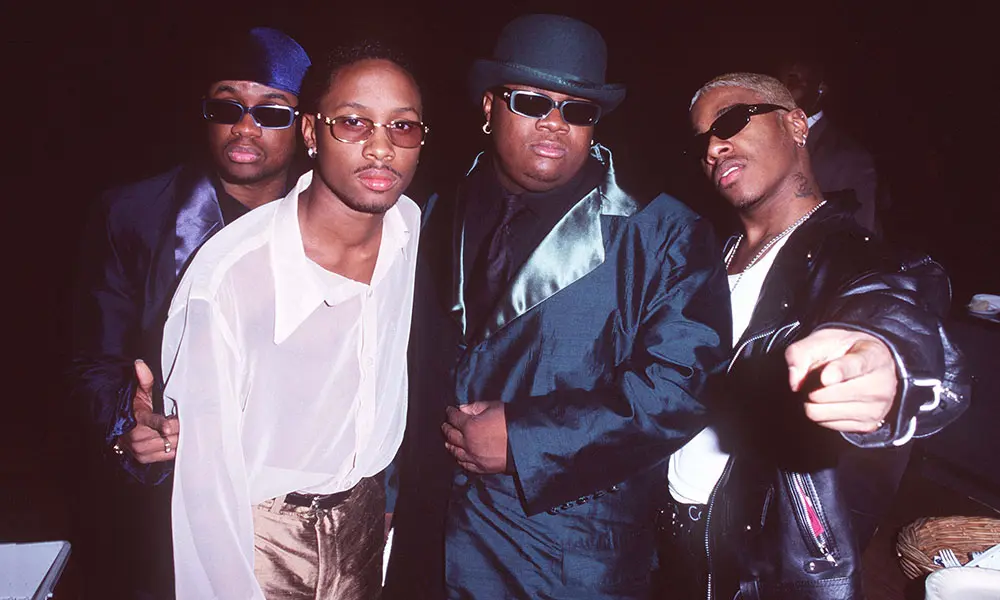
Signed in 1994 to University Records under Island, Dru Hill exploded onto the scene with their self-titled debut album in 1996. The project went platinum, peaking at No. 23 on the Billboard 200, fueled by smashes like “Tell Me,” “In My Bed,” and “Never Make a Promise.” Radio airwaves and MTV embraced their hip-hop soul fusion, blending heartfelt ballads with urban edge, establishing them as the next big thing in R&B.
Their sophomore effort, Enter the Dru (1998), catapulted the group to stratospheric heights, debuting at No. 2 on the Billboard 200 and selling over two million copies. Hits such as “How Deep Is Your Love”—featured on the Rush Hour soundtrack—reached the Pop Top 3, while “These Are the Times” and collaborations with Method Man solidified their dominance. The album’s success proved Dru Hill could deliver both commercial hits and emotional depth, cementing their place alongside icons like Boyz II Men.
A late-’90s hiatus allowed members to explore solo paths. Sisqó’s Unleash the Dragon (1999) became a cultural phenomenon, with “Thong Song” exploding into a global anthem and “Incomplete” topping charts. Woody ventured into gospel with Soul Music, achieving moderate acclaim in faith-based circles. Nokio honed his production skills for artists like DMX, while Jazz recorded material that sadly stayed shelved. These individual triumphs highlighted the group’s versatile talent but also sowed seeds of internal tension.
Reuniting in 2002 under Def Soul, Dru Hill welcomed fifth member Rufus “Scola” Waller for Dru World Order. Though the album underperformed commercially amid label shifts, it showcased evolved harmonies. Woody returned briefly before departing again in 2008 after personal struggles, including a traumatic 1999 incident. Subsequent releases like InDRUpendence Day (2010) with later addition Tao kept the flame alive, even as lineup changes tested the group’s unity.
By the mid-2010s, Dru Hill embraced reinvention, adding Smoke E. Digglera and Digital Black from the group Playa in 2018. Plans for The Second Coming album and persistent touring through anniversaries demonstrated resilience. Despite departures—Nokio and Jazz stepping away temporarily for family and solo pursuits—the core spirit endured, leading to a full 2021 reunion that refreshed their sound without losing its essence.
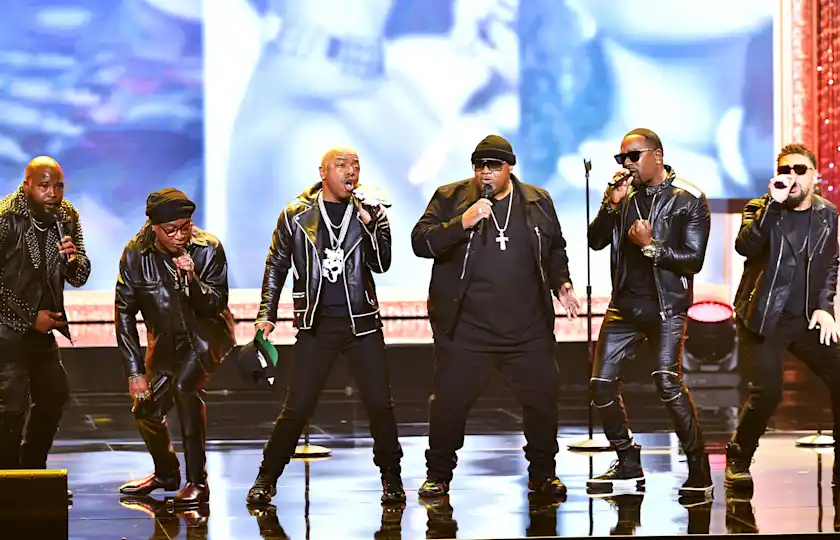
Today Dru Hill thrives as a six-piece powerhouse featuring originals Sisqó, Nokio, and Jazz alongside Scola, Smoke, and Black. Extensive touring keeps them busy, from European dates to U.S. festivals and a hinted Las Vegas residency. Their live shows mix timeless hits with new energy, drawing multigenerational crowds who celebrate the group’s evolution while honoring its roots.
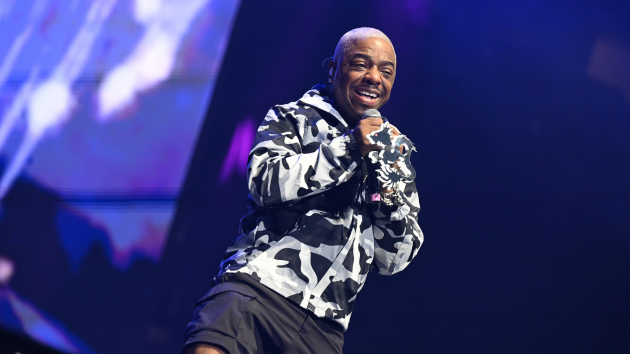
Sisqó, the unmistakable frontman, continues to captivate at 47, flipping across stages with the same athletic flair that defined “Thong Song.” He tours relentlessly with Dru Hill, teases new solo material like the upcoming Exodus project, and recently reunited with Mýa for a collaboration. Balancing music with past acting roles and media appearances, he remains the charismatic face driving the group’s pop-culture relevance.
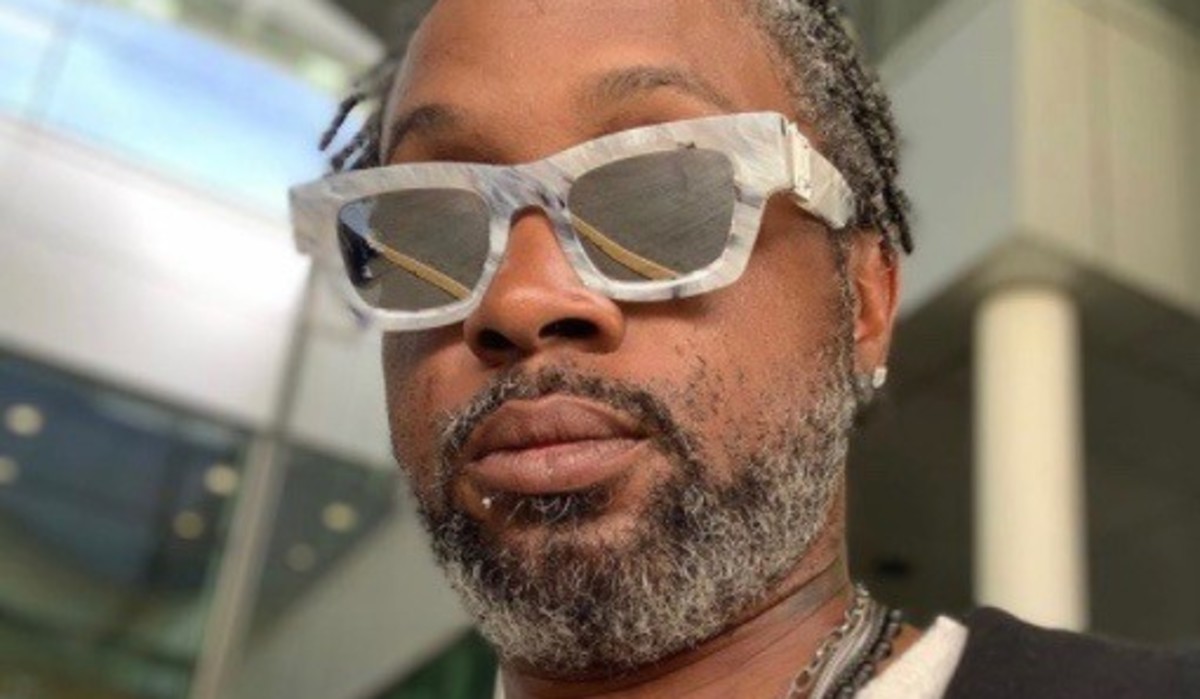
Nokio, the visionary founder and in-house producer, anchors the operation with his multifaceted skills as vocalist, songwriter, and beat-maker. After a brief 2020 family hiatus, he rejoined in 2021 and now balances group tours with behind-the-scenes production work. His steady presence in 2025 performances and recent interviews underscores his role as the glue holding Dru Hill’s legacy together.
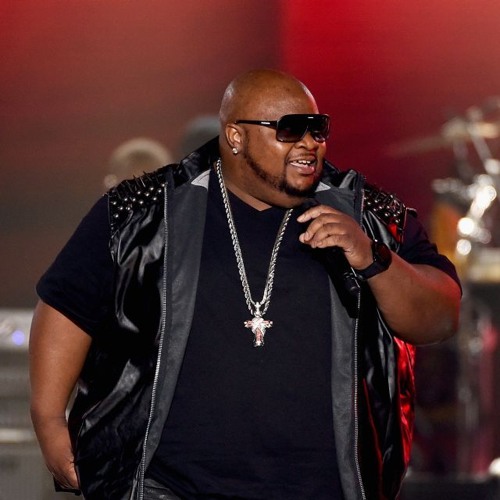
Jazz, whose rich baritone has always grounded the harmonies, pursued solo ambitions after leaving in 2018 but returned fully committed by 2021. As a multi-platinum artist, writer, producer, and performer, he thrives in the current touring lineup, occasionally sharing glimpses of his creative life on social media. His dedication keeps the group’s vocal foundation as strong as ever.
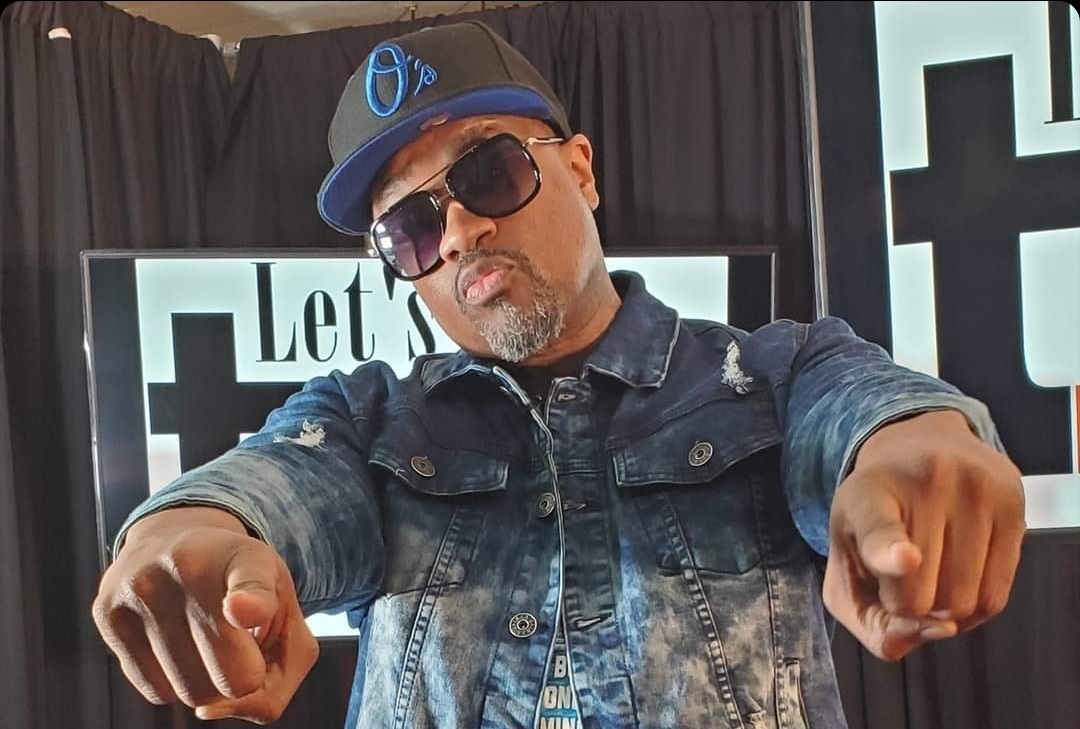
Woody, the original gospel-tinged voice, stepped away permanently after 2008 to focus on faith and family, releasing his solo gospel album and later warning young artists about industry pitfalls in candid interviews. Now living a fulfilling 9-to-5 life far from the spotlight, he occasionally appears in nostalgic conversations but has no plans to reunite, choosing peace over the secular stage. Meanwhile, Scola, Smoke, and Black—veteran talents with songwriting credits and Playa history—power the 2025 shows, writing, producing, and delivering fresh layers that ensure Dru Hill’s future shines as brightly as its storied past.
- Email: neill@outloudculture.com
- Socials: @frazer.live
- @neill.outloud