


















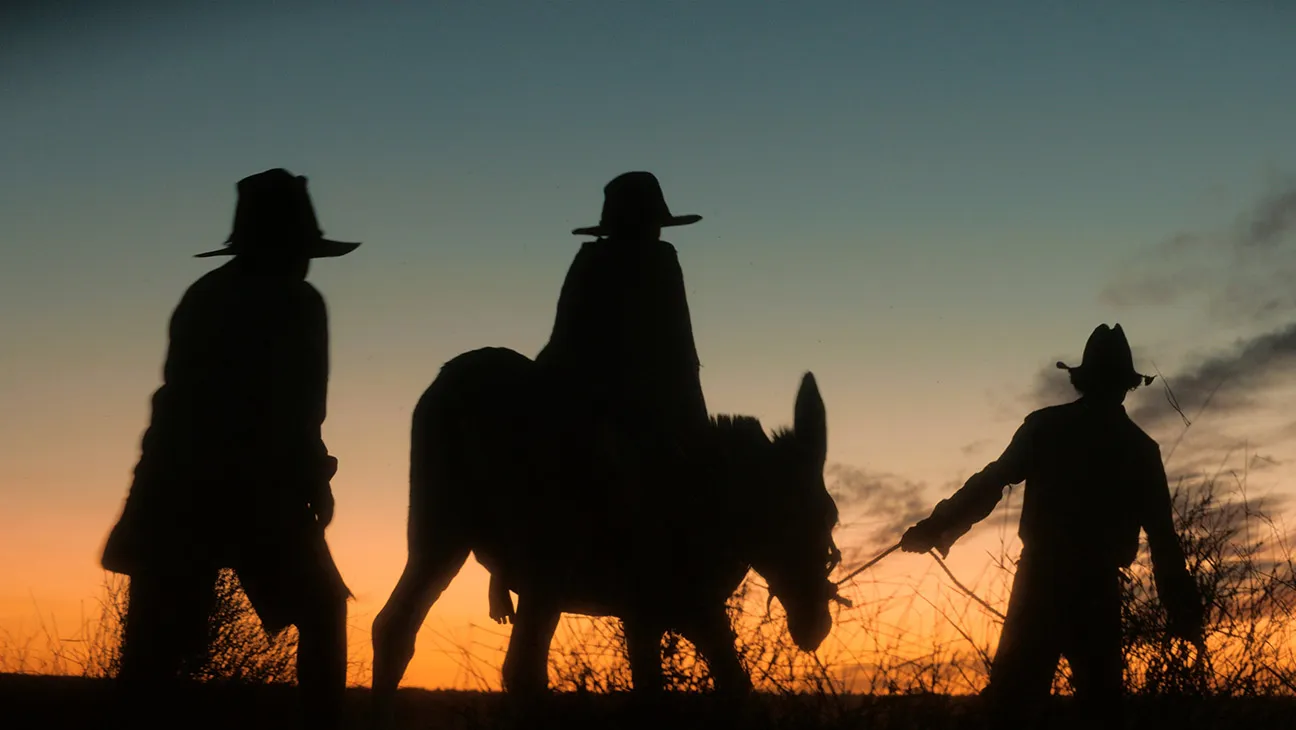
Warwick Thornton returns to the unforgiving heart of Central Australia with Wolfram, a 1930s-set historical drama that arrives with the same raw authenticity as his 2017 breakthrough Sweet Country. Shot by the director himself, the film unfolds blending neo-Western tropes with an Indigenous lens on colonial brutality. It’s a story of stolen children, desperate escapes, and quiet defiance, anchored in the fictional frontier town of Henry. While it doesn’t quite match the fury of its predecessor, Wolfram still delivers a haunting portrait of survival.
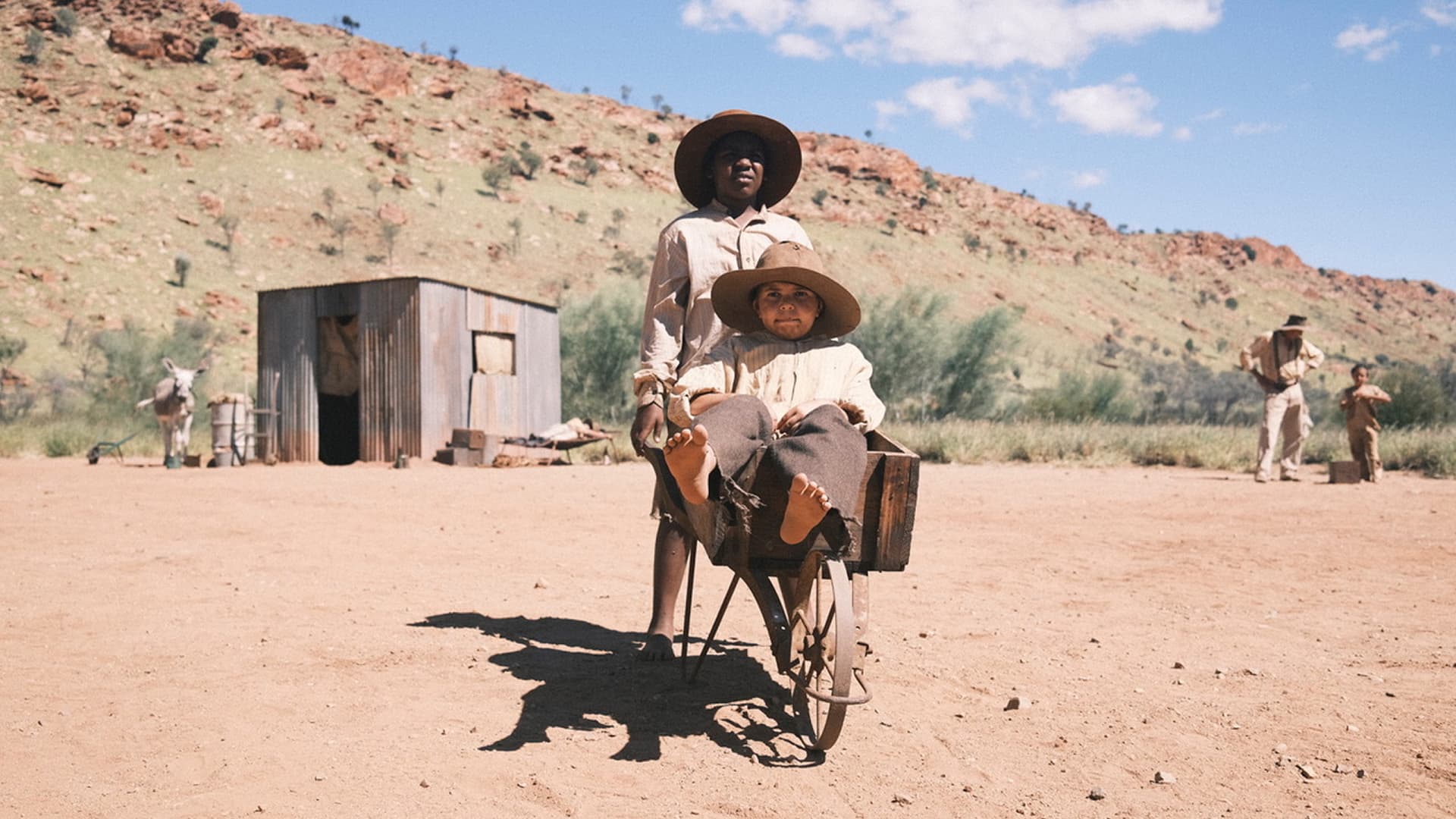
The story centers on three young Aboriginal siblings—Max, Kid, and their friend Philomac—as they escape forced labor in the wolfram mines following a sudden upheaval that destroys their fragile world. Meanwhile, parallel stories reveal their mother Pansy’s own difficult journey, filled with separation and the lingering scars of the Stolen Generations. As their pursuers draw closer across the desert, the film transforms into a tense pursuit.
Thornton’s direction and cinematography are the film’s undeniable crown jewels. The red-orange palette of the MacDonnell Ranges and the dust-choked mines create an immersive, almost tactile world—harsh yet soul-stirringly beautiful. The performances elevate the material, even when the script offers some actors limited depth. Young leads Hazel May Jackson and Eli Hart portray their characters with genuine sibling chemistry and wide-eyed determination that feel authentic and lived-in. Erroll Shand’s portrayal of outlaw Casey is chillingly nonchalant in his cruelty, and Deborah Mailman, as Pansy, commands every silent moment with grace and resilience.
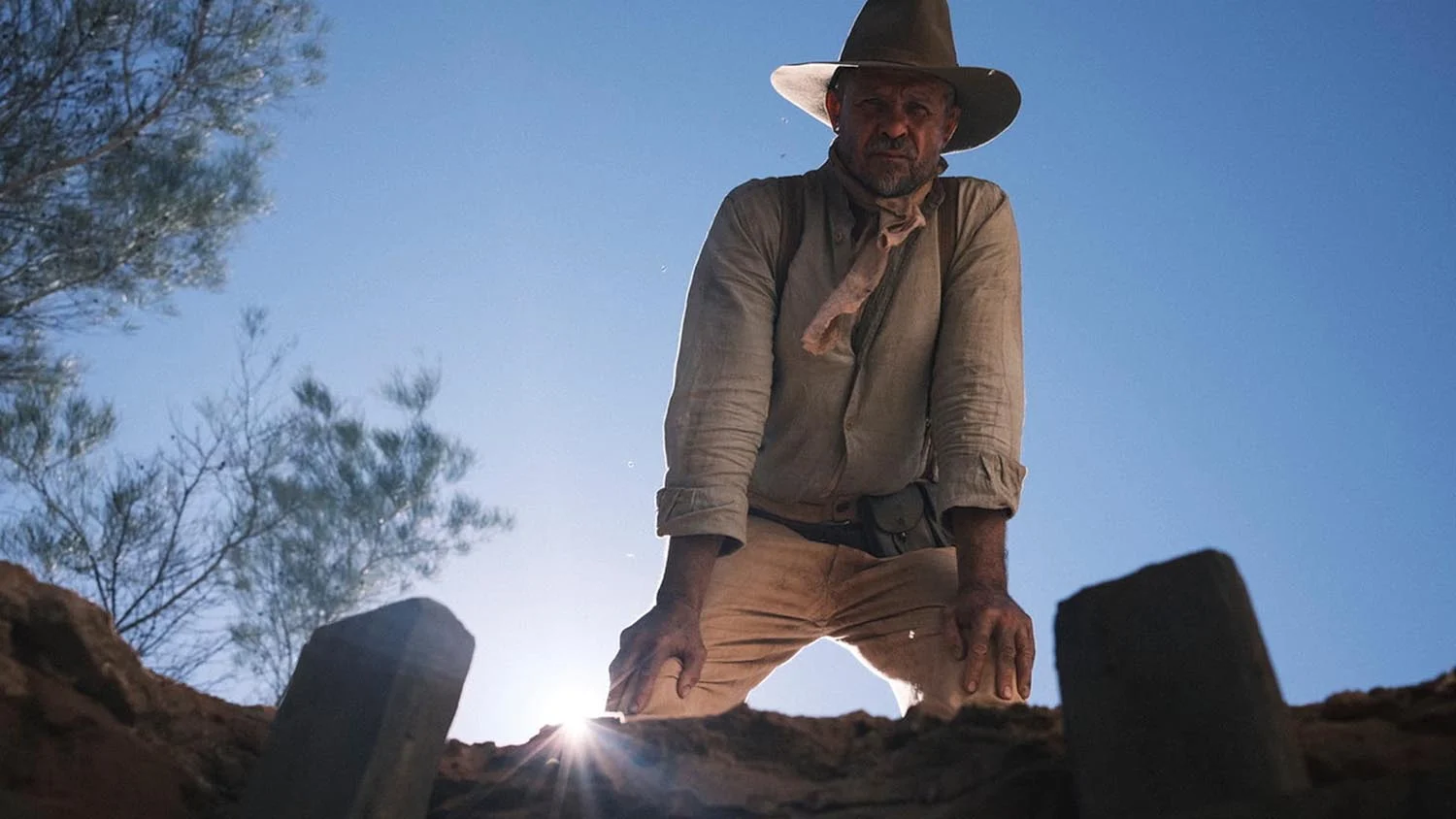
Wolfram is a loose follow-up to Sweet Country, returning to the same quiet, sparsely populated world and bringing back characters like Philomac, while exploring a broader story. Unlike the earlier film, which built up to a powerful act of violence and injustice, this one tells multiple stories across different chapters. It feels more spread out, like different paths on the same ancestral map. But if you watch patiently, it offers deeper insights into broken families and the small, silent ways people reclaim their humanity.
However, the story doesn’t always come together smoothly. The pacing can feel slow, and the different plotlines sometimes shift around without strongly pushing the story forward. Some parts feel predictable, and the multiple storylines make it hard to focus at times. As a result, the emotional core feels a bit weaker than in Sweet Country’s sharp and focused storytelling. Deborah Mailman’s role, in particular, isn’t used enough, which is a missed opportunity in an otherwise great cast.
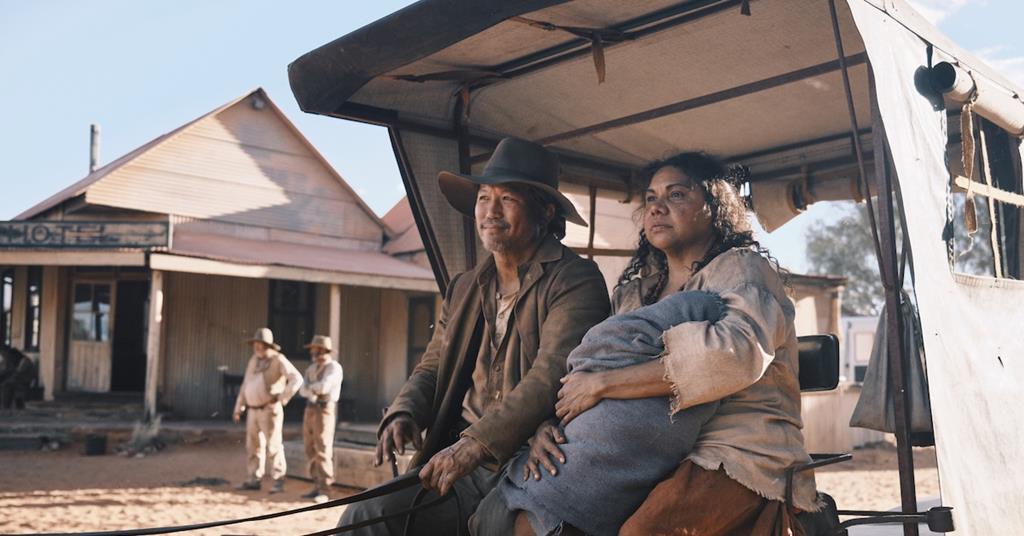
In the end, Wolfram is a worthy, if imperfect, addition to Thornton’s vital body of work. It may not blaze with the same blistering intensity as his best, but its visual poetry and tender-hearted defiance make it essential viewing for anyone seeking Indigenous stories told on their own terms.
Q&A Screening with Warwick Thornton, Live in Cinema
Sunday, April 19
Luna Leederville
6:00pm
- Email: neill@outloudculture.com
- Socials: @frazer.live
- @neill.outloud