

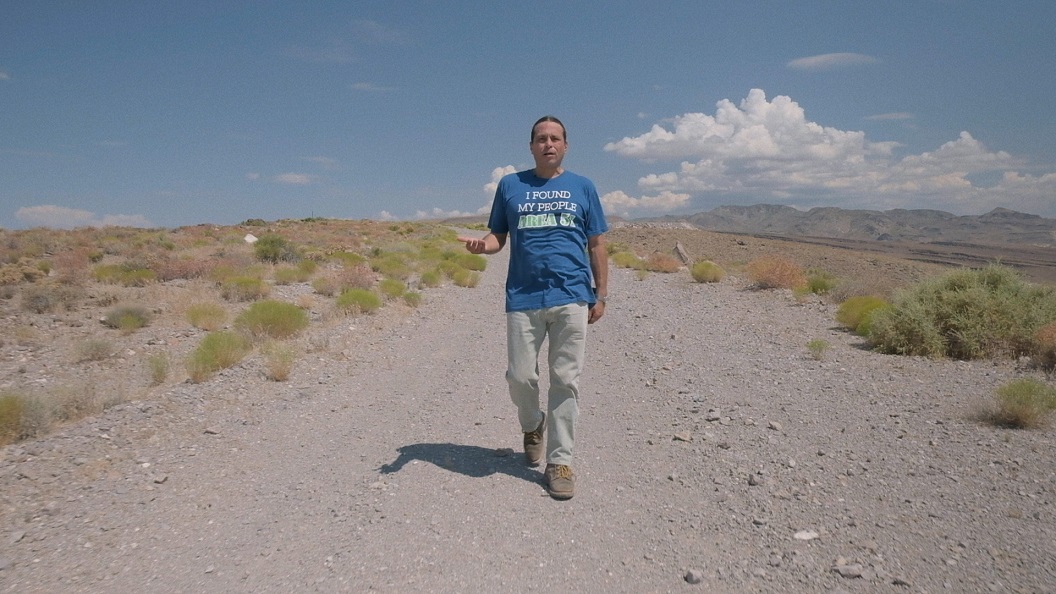
There are documentaries that simply inform you about an issue, and then there are documentaries that make an issue feel almost physically present. Casey Carter’s To Use a Mountain falls somewhere between the two, creating an often haunting and visually striking exploration of America’s long-running nuclear waste problem.
The film travels across six rural communities that were once considered potential sites for the burial of roughly 77,000 tons of nuclear waste. What makes the story particularly disturbing is the realization that these places were not simply selected because of their geological suitability. Carter examines how poverty, race and political marginalization also factored into the communities being viewed as expendable.
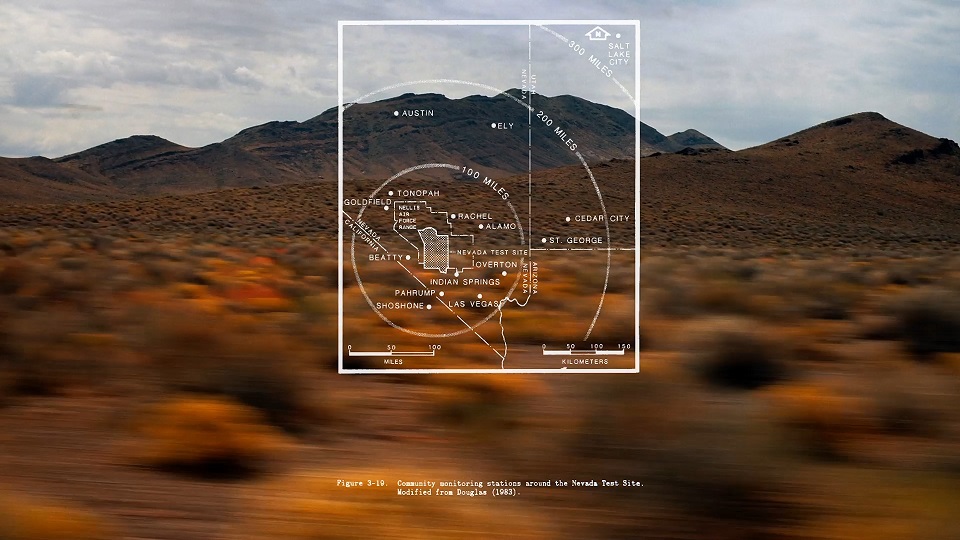
Rather than presenting the subject as a conventional talking-head documentary, Carter takes a more impressionistic approach. Archival footage, government documents, maps, landscapes and personal testimony are woven together to create a film that feels as much about the land itself as it does about nuclear waste. The editing and sound design are especially effective, gradually building a sense of unease around something that is invisible, buried and capable of remaining dangerous for thousands of years.
That approach won’t work for everyone. At times, To Use a Mountain can feel frustratingly fragmented. Moving between six different locations means that some stories receive less development than they perhaps deserve, and the film occasionally assumes the audience already understands some of the science and political history surrounding nuclear waste.
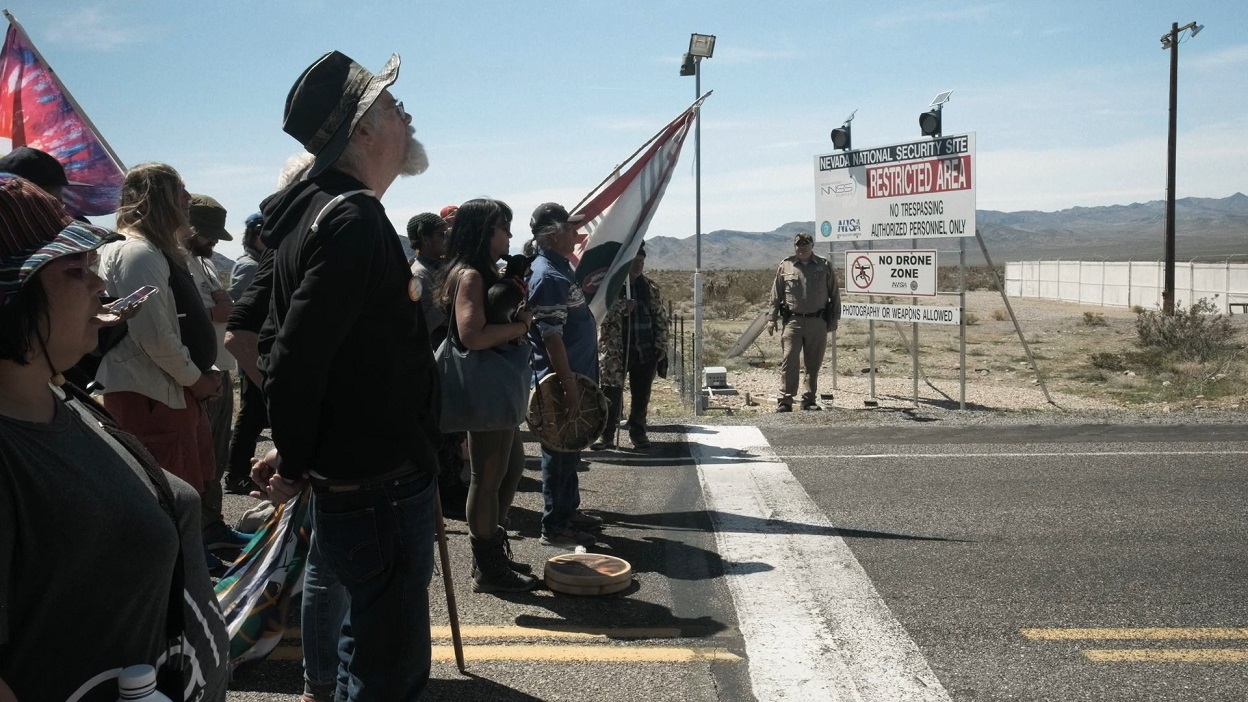
Personally, I found that tension interesting. This isn’t necessarily a documentary designed to spoon-feed its audience. It wants you to absorb its images, voices and ideas and sit with the uncomfortable implications. The result can be less immediately accessible than a more traditionally structured documentary, but there is something powerful about the way Carter allows the landscapes and the people who inhabit them to become the film’s emotional centre.
There is also something particularly unsettling about the film’s sense of time. Nuclear waste exists on a scale that is almost impossible for humans to comprehend, while political decisions are made within comparatively tiny windows. To Use a Mountain effectively captures that contradiction: decisions made decades ago can potentially affect people thousands of years into the future.
Carter doesn’t necessarily deliver a definitive solution to the nuclear waste problem, and that’s part of the film’s point. The larger issue remains unresolved, with governments and the nuclear industry still confronting the enormous challenge of what to do with radioactive waste over extraordinarily long periods of time.
To Use a Mountain isn’t always an easy documentary to follow, and its deliberately contemplative style occasionally works against its otherwise fascinating subject. But its ambition, striking imagery and commitment to the communities at the centre of this environmental conflict make it difficult to dismiss. Most importantly, it leaves you thinking about the uncomfortable question at the heart of its title: when a country needs somewhere to put its most dangerous waste, who gets asked to sacrifice their land?

- Email: neill@outloudculture.com
- Socials: @frazer.live
- @neill.outloud


Leave a Reply