

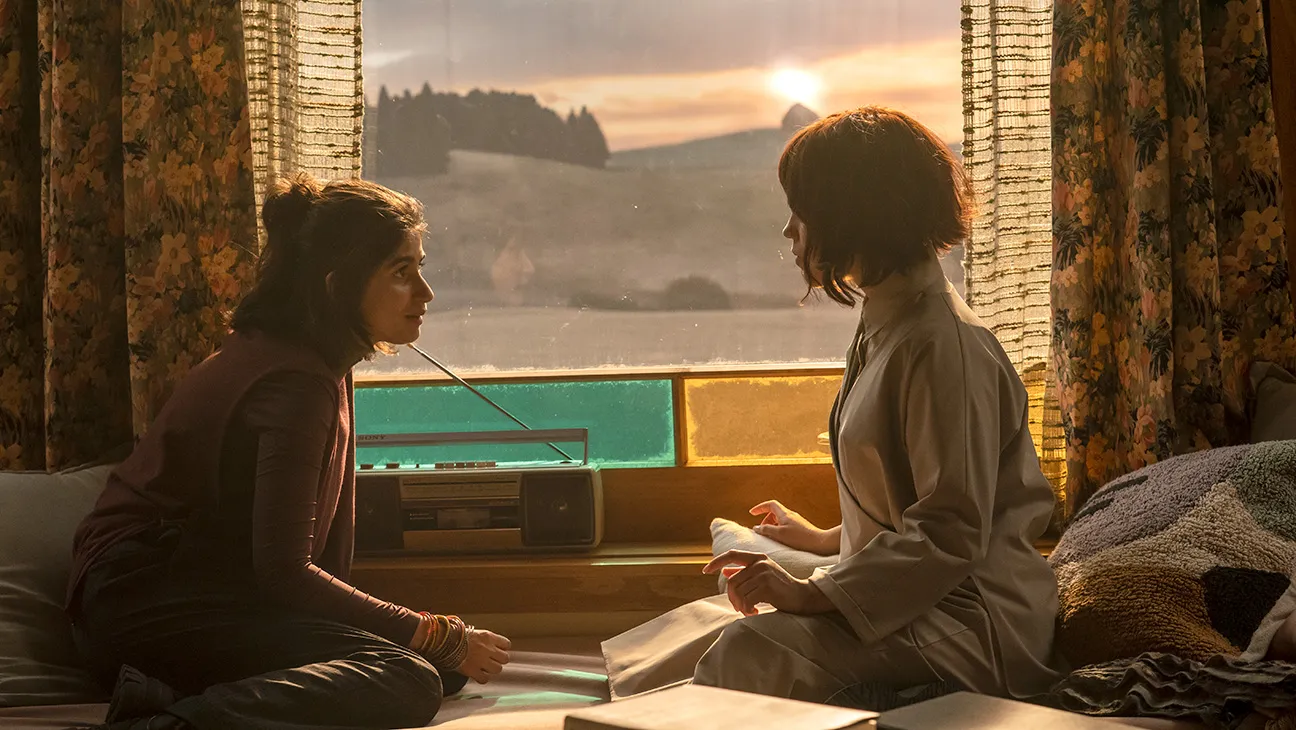
Klara and the Sun, directed by Taika Waititi and adapted from Kazuo Ishiguro’s bestselling novel, is a science-fiction drama that looks beyond its futuristic premise to explore love, loneliness, sacrifice and the extraordinary lengths we go to protect the people who matter to us. While the film has faced a wave of negative critical reactions (26% on Rotten Tomatoes), I found plenty to appreciate in its emotional core, gentle storytelling and heartfelt exploration of what it means to be alive.
Starring Jenna Ortega as Klara, an Artificial Friend designed to provide companionship, the film introduces us to a world where technology has become an increasingly important part of human connection. Klara spends her days waiting to be chosen, observing the world around her with an innocence and curiosity that distinguish her from the people she hopes to help. When she meets Josie (Mia Tharia), a troubled young girl living with her mother, Chrissy (Amy Adams), Klara discovers a sense of purpose that goes far beyond simply keeping someone company.
What follows is a story about connection in its many forms, asking whether love can be measured by the person who gives it, or whether its value lies in the difference it makes to someone else’s life.
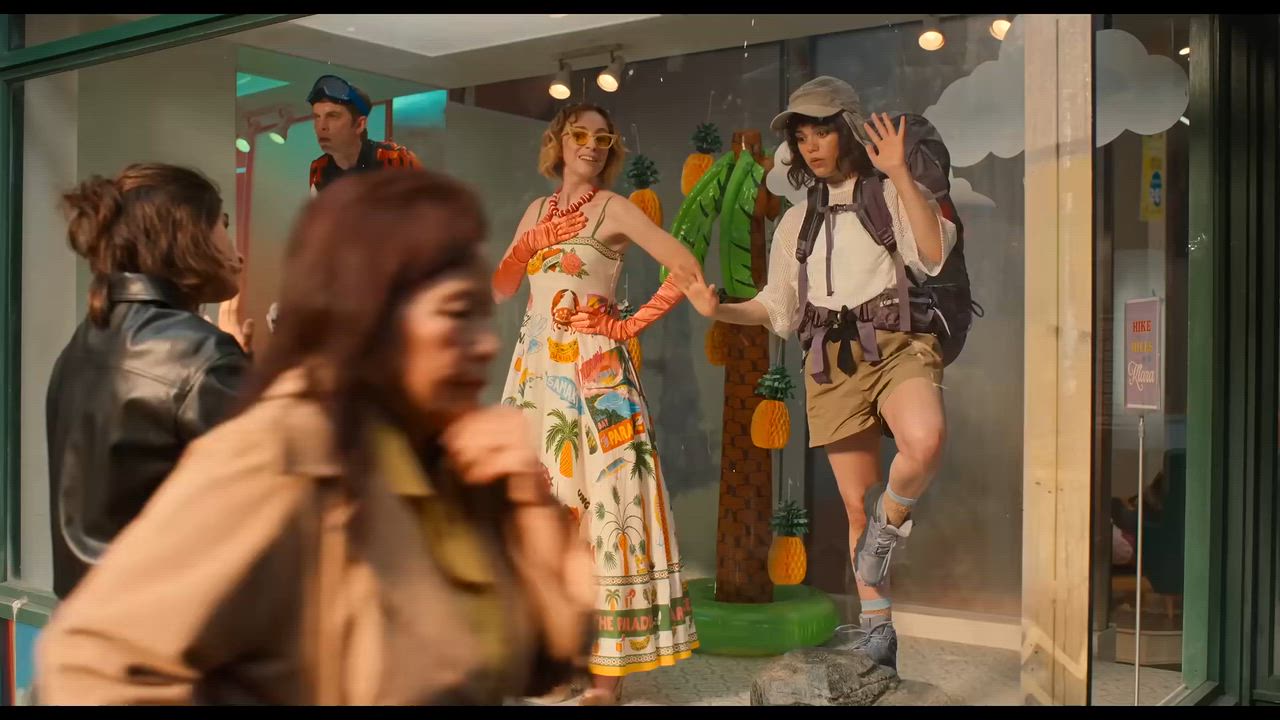
The film’s greatest strength is undoubtedly Jenna Ortega, whose performance gives Klara a wonderfully distinctive presence. Rather than playing the character as a conventional robot, Ortega brings an almost childlike fascination to the role, making Klara’s observations of human behaviour feel sincere and occasionally amusing. Her character approaches the world without the cynicism, resentment or emotional baggage that often complicate human relationships, and that contrast becomes one of the film’s most compelling qualities.
Klara doesn’t fully understand the complexities of human emotion, but her determination to understand them is what makes her so endearing. There is a genuine sweetness to the way she observes the people around her, searching for meaning in their actions and believing that even the most difficult circumstances can be overcome.
Mia Tharia also makes a strong impression as Josie, establishing a convincing connection with Ortega that gives the film its emotional foundation. Amy Adams brings a more guarded energy to Chrissy, a mother struggling with grief and the fear of losing someone she loves. Her character adds another layer to the film’s exploration of how people cope with pain, even when they struggle to communicate it.
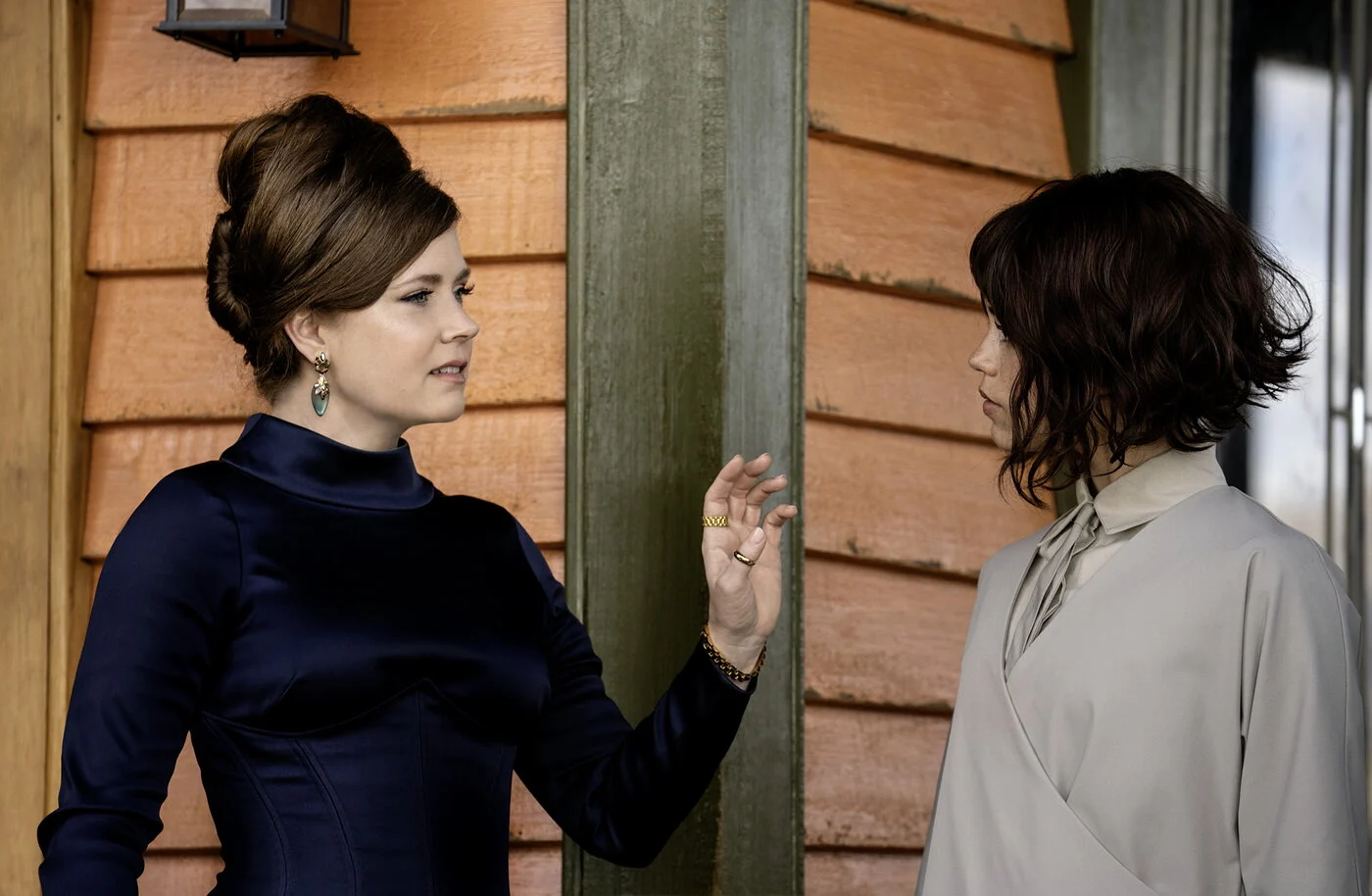
What I appreciated most about Klara and the Sun is that, beneath its futuristic setting, it remains a deeply accessible story about human vulnerability. Its artificial intelligence premise provides an interesting framework, but the film’s more meaningful questions concern the things that connect us: affection, hope, faith and our desire to feel needed.
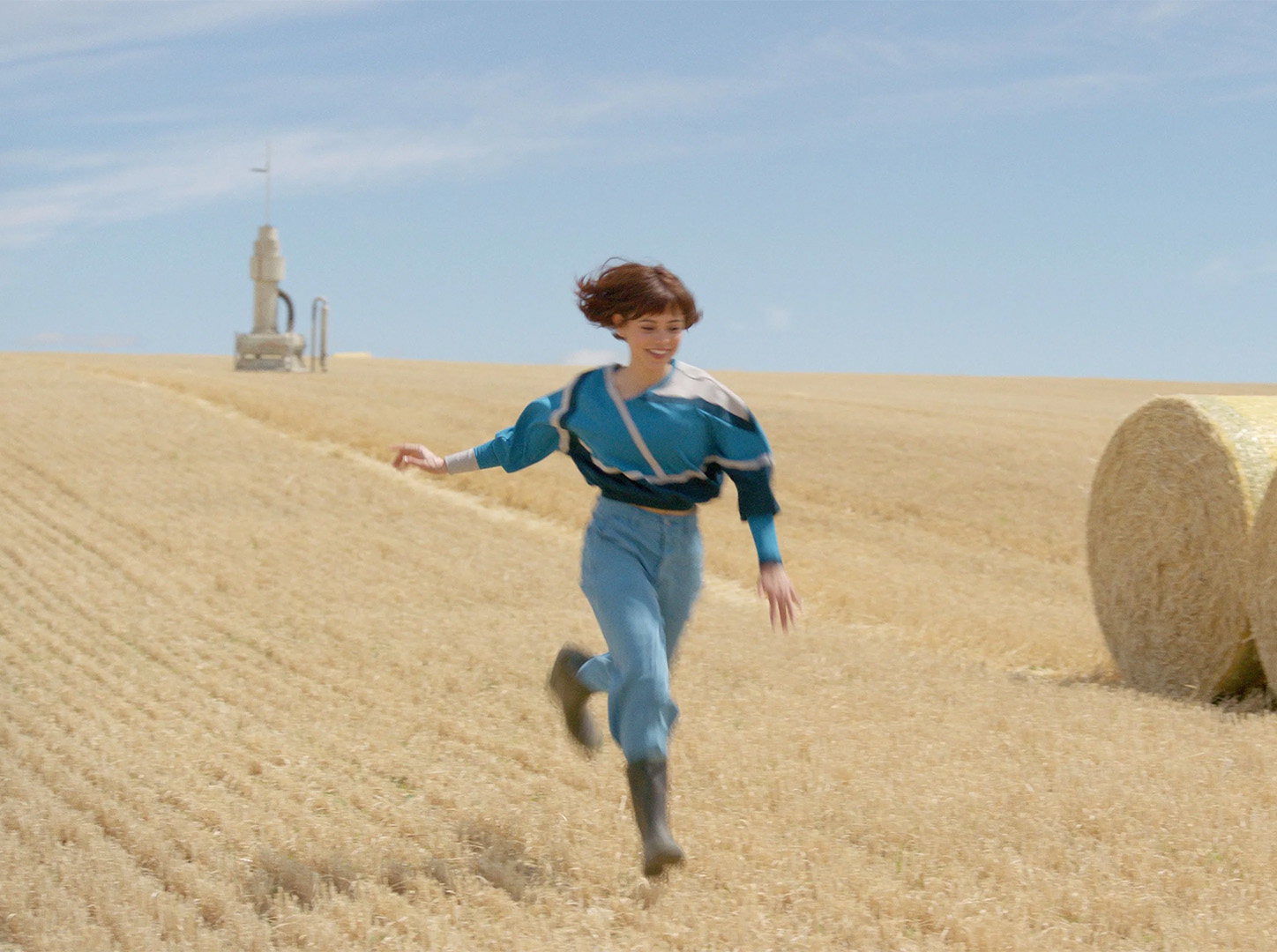
Klara’s relationship with the sun is particularly interesting. For her, it represents more than a source of energy; it becomes a symbol of hope and the possibility of something greater. Her belief in its power reflects her innocent understanding of the world, but it also gives the film a surprisingly thoughtful spiritual dimension.
The story also touches on the uncomfortable reality that technological progress doesn’t necessarily make people happier. In a world where artificial companions can be purchased to fulfil emotional needs, the film raises questions about loneliness and whether simulated companionship can provide something that feels genuinely meaningful.
These ideas aren’t always explored as deeply as they could be, but I found them compelling nonetheless. There is something poignant about watching an artificial being demonstrate such unwavering devotion while the humans around her struggle with their own complicated feelings.
Waititi’s direction is likely to be one of the film’s most divisive elements. Known for balancing comedy with emotionally charged storytelling, he brings a playful sensibility to material that also deals with illness, grief and mortality. At times, the tonal shifts can feel uneven, and some of the broader comedic moments sit awkwardly alongside the more serious subject matter.
However, I didn’t find this contrast entirely detrimental.
The screenplay, co-written by Waititi and Dahvi Waller, does introduce several ideas that could have benefited from more development. Some supporting characters and storylines feel underexplored, and the narrative occasionally moves too quickly through moments that deserve greater emotional weight. Nevertheless, I found enough warmth and sincerity in the film’s central relationship to remain invested in where it was heading.

Klara and the Sun might not be the universally acclaimed adaptation some viewers hoped for, but I came away with a much more positive impression than its critical reception might suggest. It is an imperfect film, occasionally uneven in its execution, yet one that has enough heart, visual charm and emotional sincerity to make its journey worthwhile.




Leave a Reply