

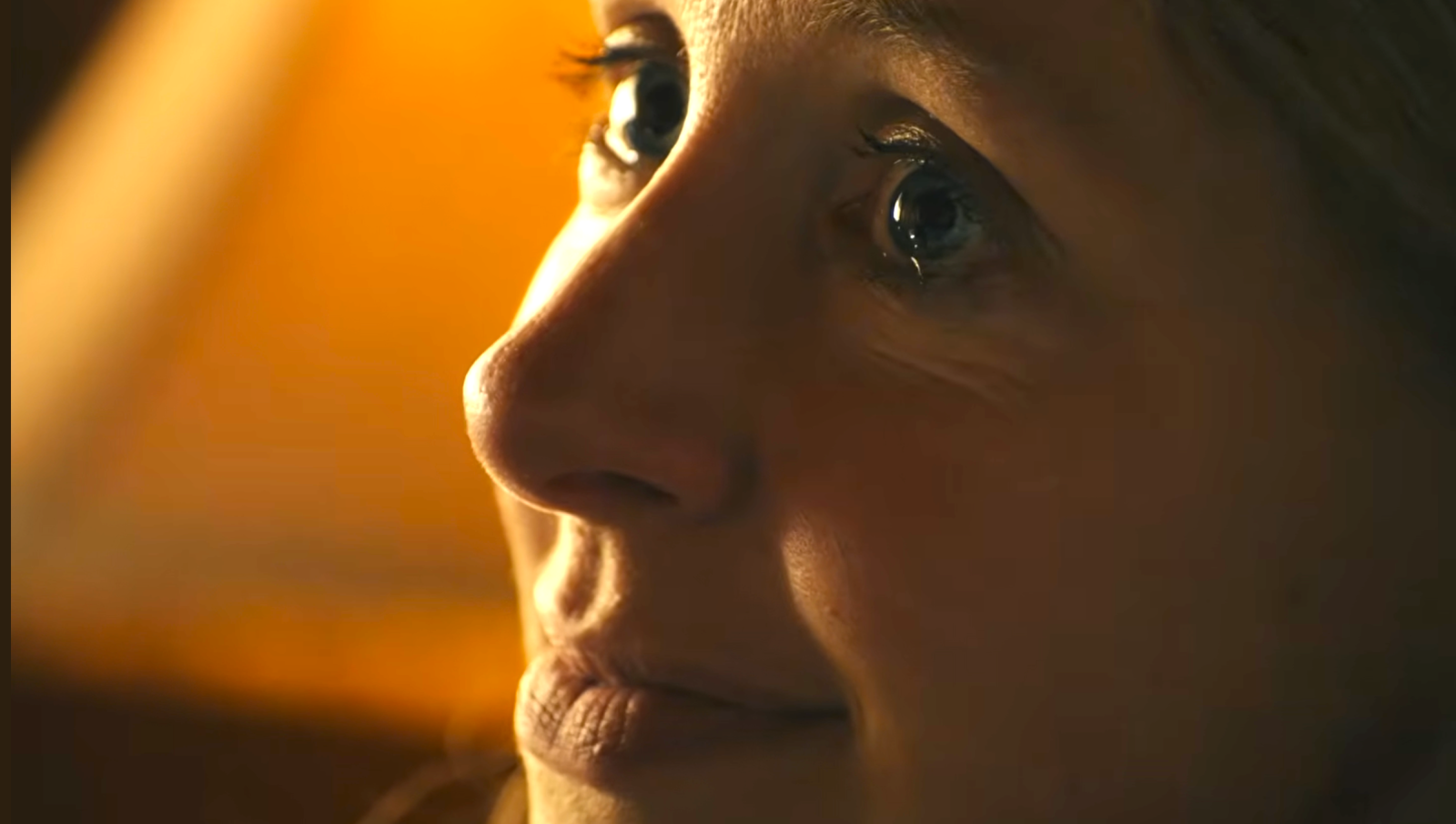
featuring @a24 @lunapalacecinemas
There are films that arrive with enormous expectations, and then there are films that leave you wondering how something so seemingly unconventional has managed to generate such a unanimous response. Before attending the First Look screening of You Can See Everything at Luna Palace Cinemas in Leederville, I had a conversation with a friend about exactly that. Why was everyone rating this film so highly? What was it about Elizabeth Holmes and her story that had audiences and critics so captivated? And, perhaps most importantly, how does a documentary about a disgraced former Silicon Valley entrepreneur become something so completely unhinged? These were the questions I walked into the cinema with, and considering the overwhelmingly positive reception surrounding the film, my curiosity was certainly heightened.
I’ll admit that my initial reservations were partly rooted in the subject matter itself. Elizabeth Holmes and the Theranos scandal were not necessarily topics that had captured my attention to any significant degree. While her story received enormous international attention, particularly in the United States, it hadn’t occupied quite the same cultural conversation here in Australia. The story of a young entrepreneur who convinced investors that she was revolutionising medical testing before the entire operation unravelled was certainly extraordinary, but I couldn’t help wondering how much more there was to explore. Furthermore, the idea of sitting through a 174-minute documentary about someone whose personal story I hadn’t found particularly compelling didn’t immediately sound like the most exciting cinematic proposition. Yet, there was clearly something that audiences were responding to, and I was intrigued to discover what I had been missing.
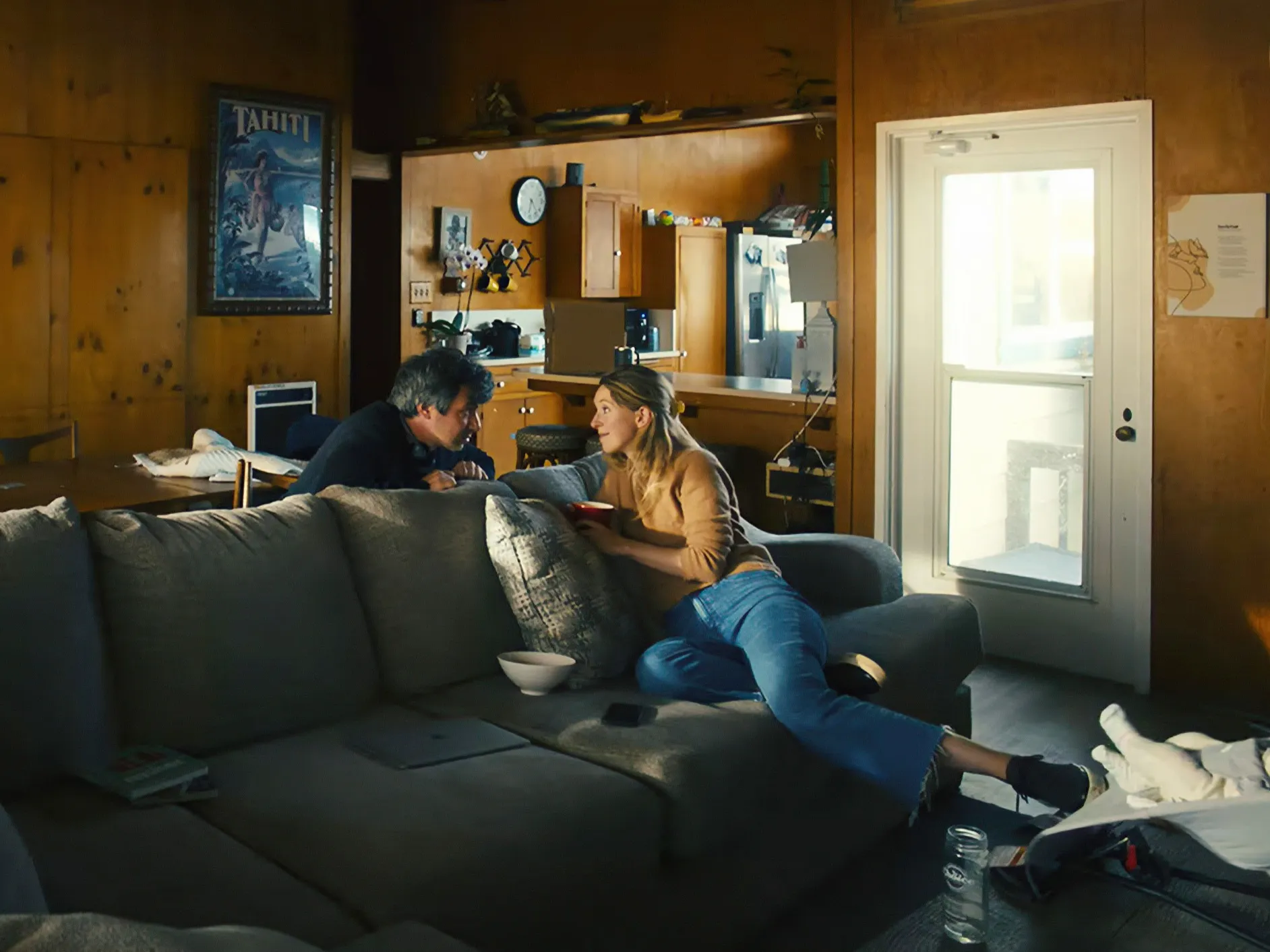
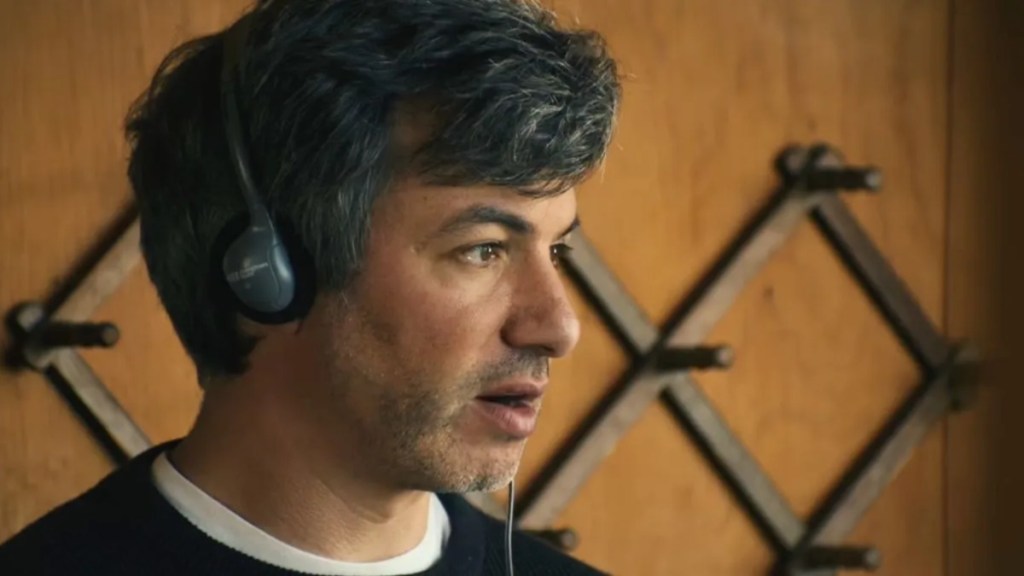
Directed by Nathan Fielder and Lance Oppenheim, You Can See Everything begins with a fascinating premise. Just 34 days before Holmes is due to report to prison following her conviction for fraud, she invites a sceptical documentary crew into her personal life. What initially appears to be an opportunity to capture an intimate portrait of a controversial public figure soon develops into something considerably more ambitious. As Fielder and Oppenheim continue filming over an extended period, their documentary evolves into a bizarre, increasingly unpredictable examination of manipulation, identity, relationships and the limitations of capturing reality on camera. The filmmakers aren’t simply interested in revisiting the Theranos scandal or reminding audiences of Holmes’ downfall. Instead, they become increasingly interested in the person behind the headlines and, perhaps more intriguingly, the uncomfortable relationship between the person being filmed and those doing the filming.
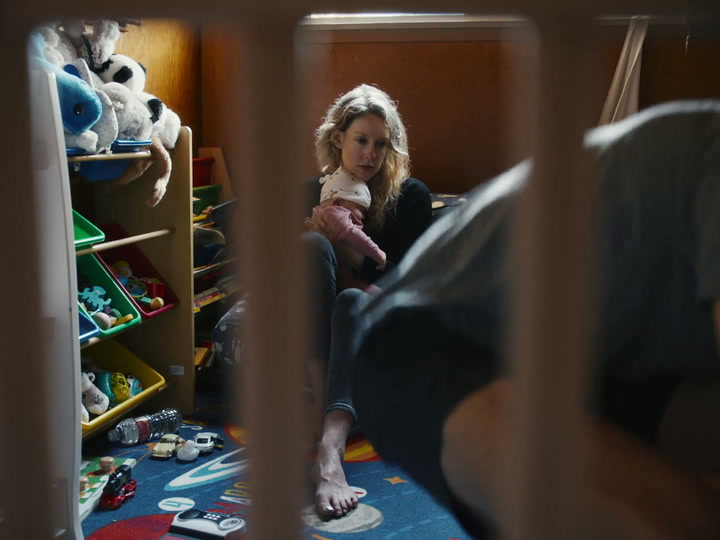
What makes the first portion of the film so fascinating is the sheer discomfort of watching Holmes interact with the people around her. There is an extraordinary awkwardness to many of these exchanges, particularly when Fielder begins asking questions that seem perfectly reasonable but somehow produce the most uncomfortable responses. Holmes has spent years being scrutinised, questioned and analysed, yet there remains something incredibly difficult to decipher about her. Is she attempting to control the narrative? Does she genuinely believe in the version of events she presents? Or is there simply no way of knowing what is happening behind the carefully maintained public persona? Fielder’s deadpan approach is particularly effective here, allowing silences and seemingly insignificant conversations to become increasingly absorbing. It is darkly funny, frequently uncomfortable and occasionally so strange that you almost have to remind yourself that you’re watching a documentary.
However, what initially feels like an unconventional but relatively straightforward documentary gradually transforms into something that is almost impossible to anticipate. This is where the film truly begins to justify the extraordinary amount of attention it has received. Just when you think you understand the direction in which Fielder and Oppenheim are taking the story, the filmmaking begins to challenge your expectations in ways that are difficult to explain without revealing some of its biggest surprises. The narrative starts playing with the boundaries between documentary filmmaking, dramatisation and reality, creating situations that become increasingly surreal. The second half takes the film into territory that is genuinely bizarre, and the decision to keep pushing the concept further and further is both audacious and fascinating. It is one thing to make an unconventional documentary, but quite another to turn the entire experience into something that leaves you questioning what you are actually watching.

Nathan Fielder’s involvement is undoubtedly one of the film’s greatest assets. Anyone familiar with his previous work, will recognise his fascination with awkward social interactions, uncomfortable silences and the increasingly blurred boundaries between performance and reality. His approach to Holmes is particularly interesting because he rarely needs to do anything particularly dramatic to create tension. Sometimes a simple question, an extended stare or an uncomfortable pause is enough to make an interaction feel completely unpredictable. Lance Oppenheim complements this approach with a striking observational style that captures the strange intimacy of the situations unfolding in front of the camera. Together, the directors create an experience that feels meticulously constructed while simultaneously appearing to spiral beyond anyone’s control. Their willingness to make themselves part of the experiment is what ultimately separates this from a conventional true-crime documentary.
Another particularly compelling element is the involvement of Amanda Seyfried, whose previous portrayal of Holmes in The Dropout adds an entirely unexpected dimension to the film. Rather than simply acknowledging the existence of another dramatised interpretation of Holmes’ life, the filmmakers find a much more inventive way of exploring the relationship between the real person and the character audiences have come to recognise. This becomes another opportunity to question identity, representation and the strange ways in which public figures become defined by the people portraying them. It also reinforces one of the film’s most fascinating ideas: when someone has been represented, analysed and recreated so extensively, how do we distinguish between the person themselves and the versions of them that have been presented to the world? The film has considerable fun exploring that question, and some of its most memorable creative decisions emerge from this territory.
Of course, the film’s unconventional approach and considerable runtime won’t necessarily appeal to everyone. At 174 minutes, there are moments when the pacing feels deliberately drawn out, and certain conversations may test the patience of viewers expecting a more traditional documentary structure. However, I would argue that the extended runtime is also essential to what the filmmakers are attempting to achieve. This isn’t a documentary interested in racing through a series of revelations or providing a neatly packaged explanation of the Theranos scandal. It wants audiences to sit with the discomfort, observe the relationships and gradually become immersed in the increasingly absurd circumstances. There is also something particularly interesting about watching a film that refuses to give audiences all the answers, even after spending so much time with its central subject. Sometimes the most revealing thing about a person is not necessarily what they say, but what remains impossible to understand.
Looking back on the questions my friend and I discussed before the screening, I can certainly understand why You Can See Everything has generated such an extraordinary response. What initially seemed like a rather uninteresting documentary subject becomes the foundation for something far more inventive, ambitious and unpredictable than I could have anticipated. The genius of the film isn’t necessarily that it tells us something entirely new about Elizabeth Holmes or the Theranos scandal, but that it uses her story as a launching point for a much bigger cinematic experiment. It challenges the conventions of documentary filmmaking, explores the complicated relationship between truth and performance, and repeatedly catches the audience off guard. More importantly, it demonstrates just how far filmmakers can push an idea when they are willing to abandon traditional storytelling expectations. By the time the credits roll, the original question of why everyone was rating this film so highly makes considerably more sense.
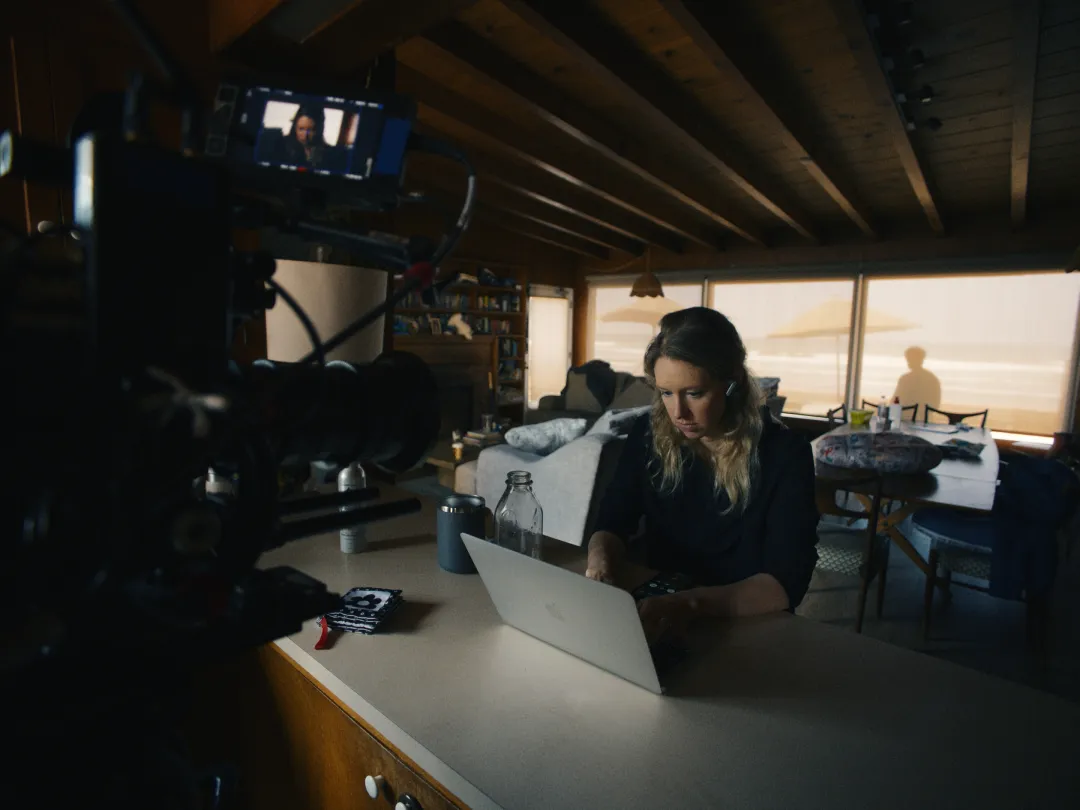
Ultimately, You Can See Everything is a wildly unconventional cinematic experience that is considerably more entertaining, disturbing and downright unhinged than its initial premise suggests. I walked into Luna Leederville expecting a documentary about a controversial figure whose story hadn’t particularly interested me, but what I encountered was something that continually challenged my expectations. Nathan Fielder and Lance Oppenheim have created a film that is difficult to categorise, frequently hilarious, deeply uncomfortable and full of moments that are best experienced without knowing too much beforehand. While its length and deliberately unconventional approach may not work for every viewer, there is no denying the ambition behind what they have accomplished. It is a film that makes you question the people in front of the camera, the people behind it and, ultimately, how much of anything we are actually seeing. Sometimes the most fascinating documentaries aren’t the ones that give us all the answers, but the ones that leave us questioning everything.
Screening at Luna Leederville & Luna on SX from November 12.
Screening in the Luna Outdoor December 2, 8, & 14.


Leave a Reply