

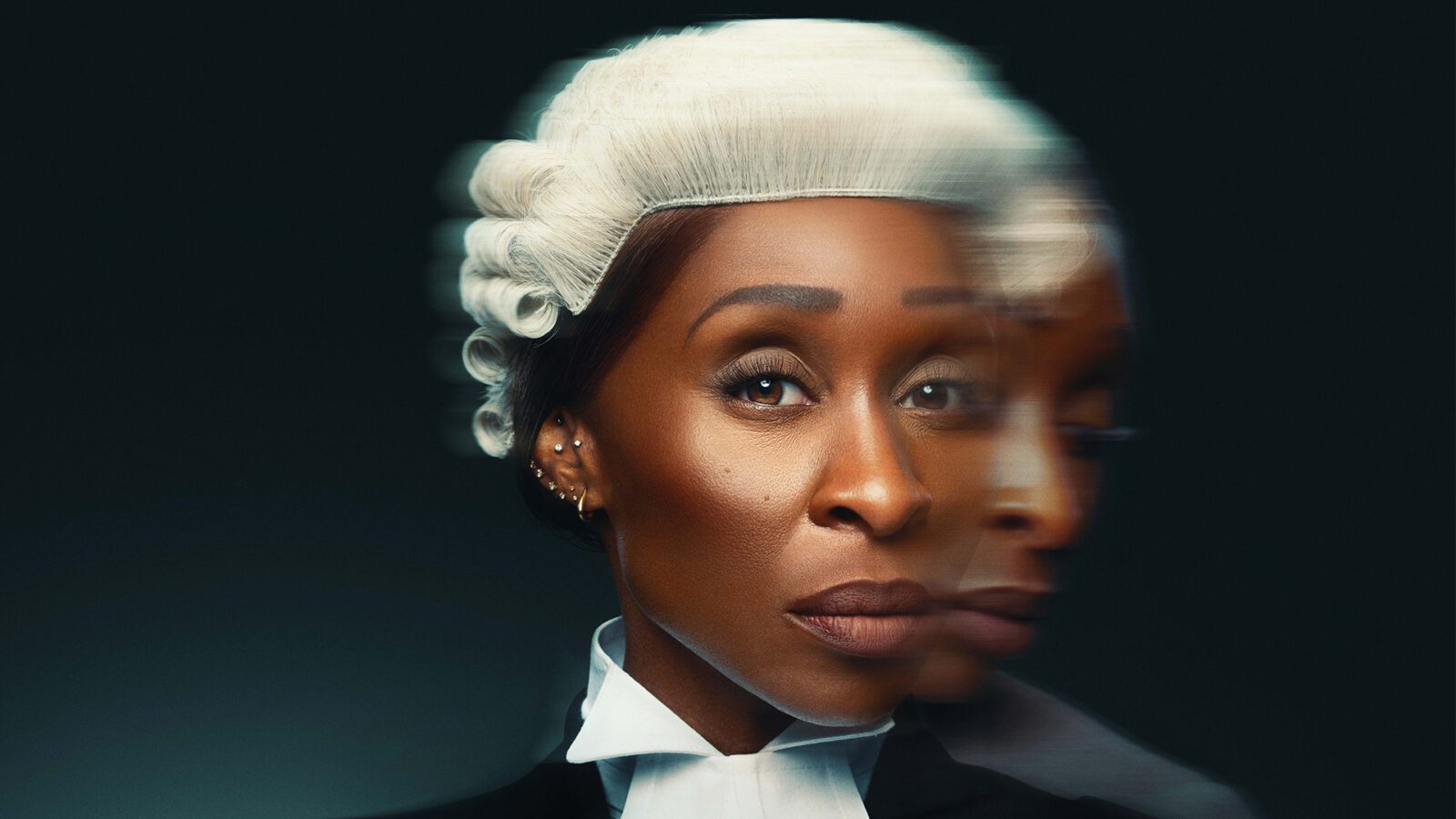
featuring @anarchy_pr @lunapalacecinemas @britishfilmfest @cynthiaerivo @suziemillerwriter
A gripping, emotionally charged and exceptionally performed drama, Prima Facie is a film that tackles a difficult subject matter with both intelligence and sensitivity. What initially presents itself as a courtroom drama gradually becomes something far more confronting, exploring the uncomfortable relationship between truth, justice and the systems designed to protect us. I absolutely loved this film, and it’s easily one of the more impactful cinematic experiences I’ve had.
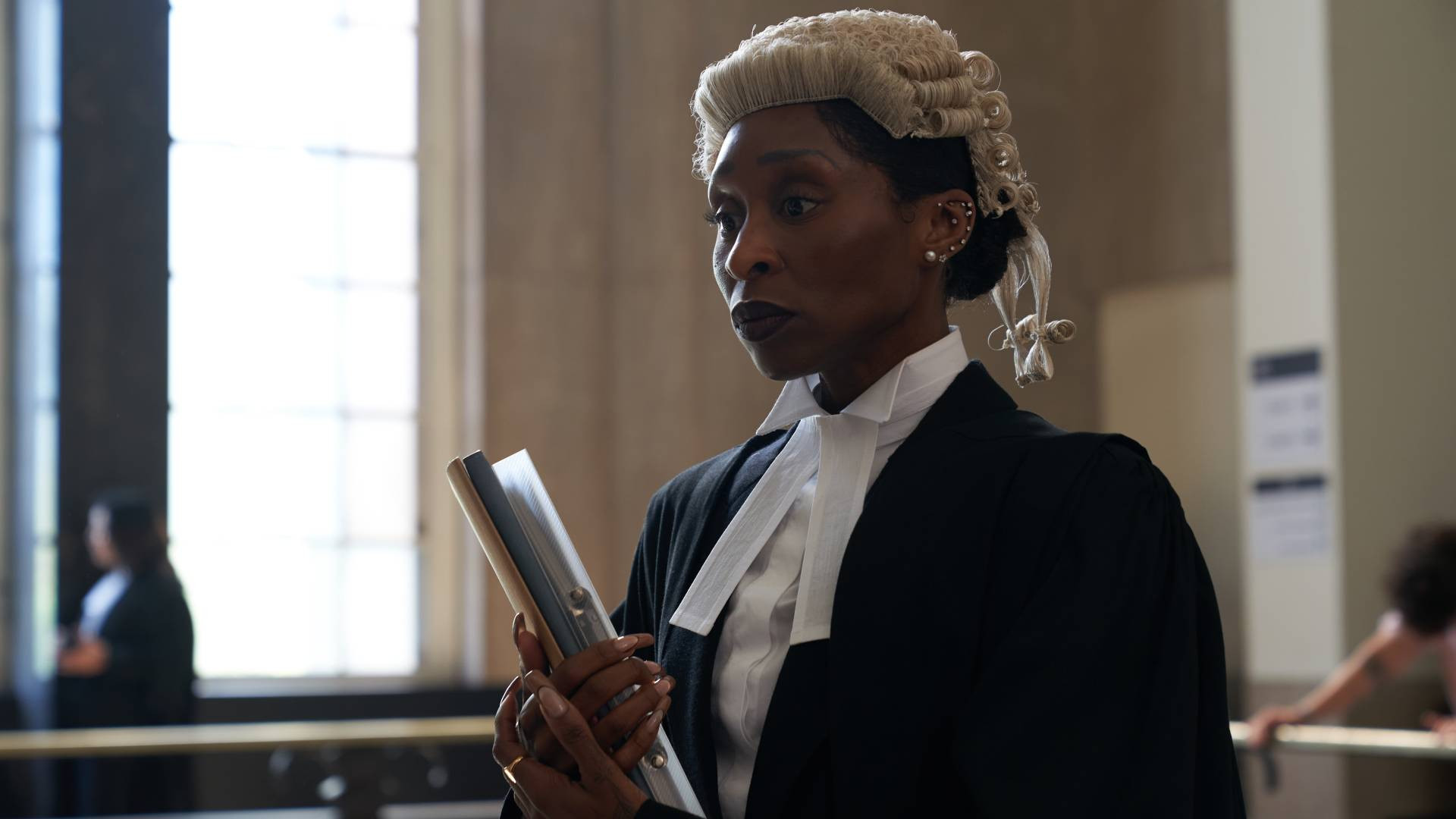
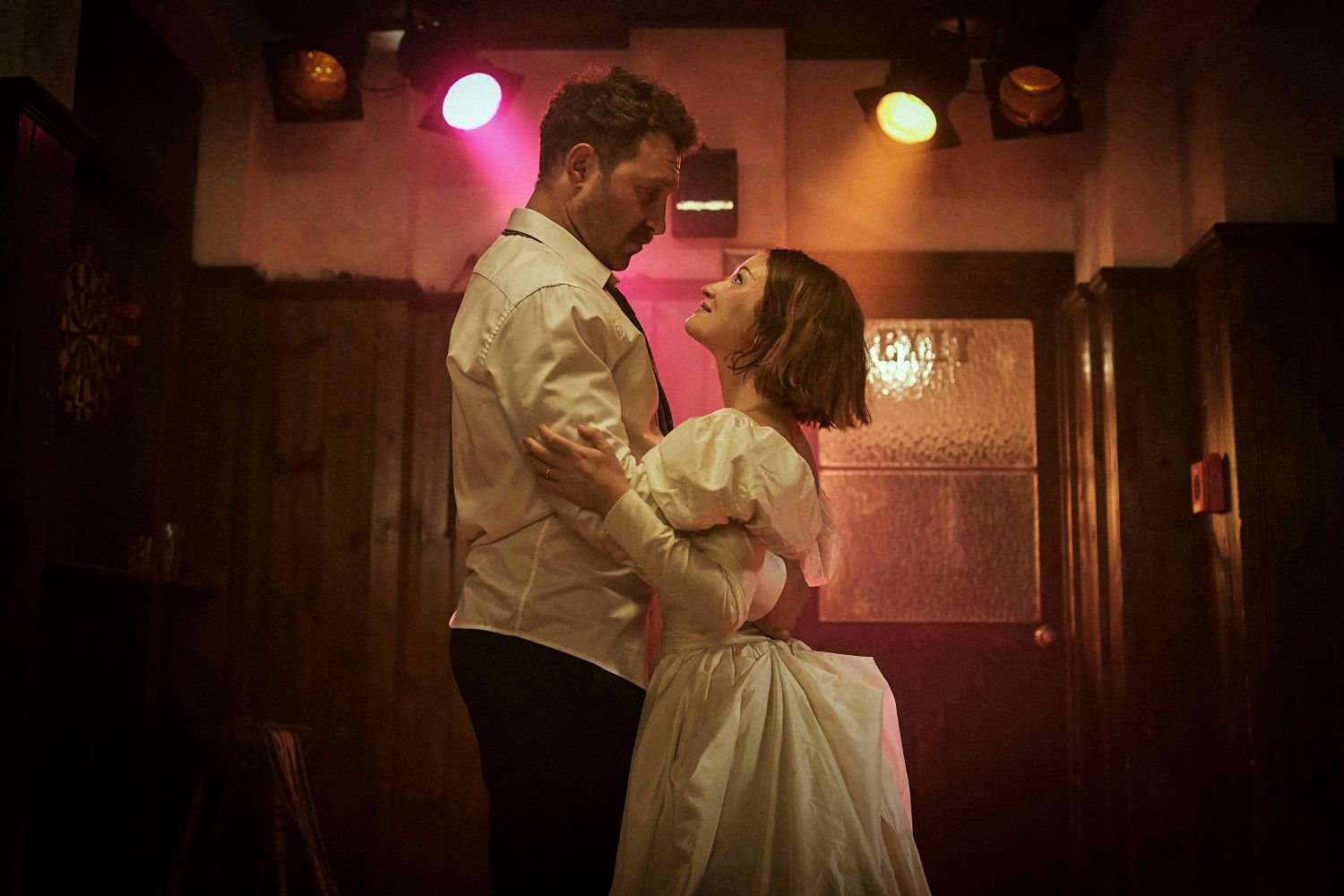
At the centre of the story is Tessa Ensler (Cynthia Erivo), a brilliant and ambitious barrister who has built her career defending men accused of sexual assault. Confident in her abilities and deeply familiar with the legal system, Tessa believes she understands how justice works. However, when a devastating personal experience turns her own world upside down, she finds herself on the opposite side of the courtroom, forced to confront the very system she once trusted. It’s a fascinating premise that allows the film to examine the difference between knowing the law and experiencing its consequences firsthand.
Cynthia Erivo is absolutely phenomenal. Her performance is the beating heart of this film, and I was continually impressed by the vulnerability and sheer intensity she brings to Tessa. There is an incredible amount of nuance in her portrayal, particularly as we watch a woman who has always been so assured of herself gradually lose that sense of control. Erivo navigates the character’s emotional journey with remarkable conviction, making every confrontation, moment of uncertainty and personal struggle feel authentic. It’s the kind of performance that demands your attention, and she delivers on every level.
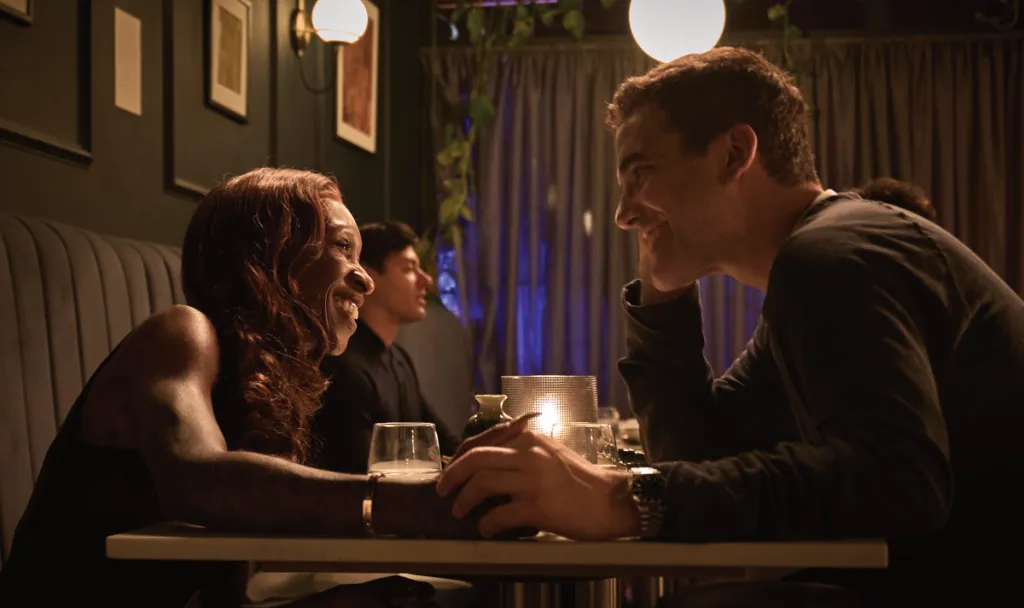
What makes the performance even more impressive is the screenplay by Suzie Miller, who adapts her own acclaimed stage play for the screen. Rather than simply presenting a story about sexual assault and the justice system, Miller explores the complicated realities surrounding consent, credibility, evidence and the burden placed on survivors to prove what happened to them. There are moments when the dialogue cuts particularly deep, highlighting just how damaging the process of seeking justice can become. It’s thoughtful writing that never loses sight of the human story at its centre.
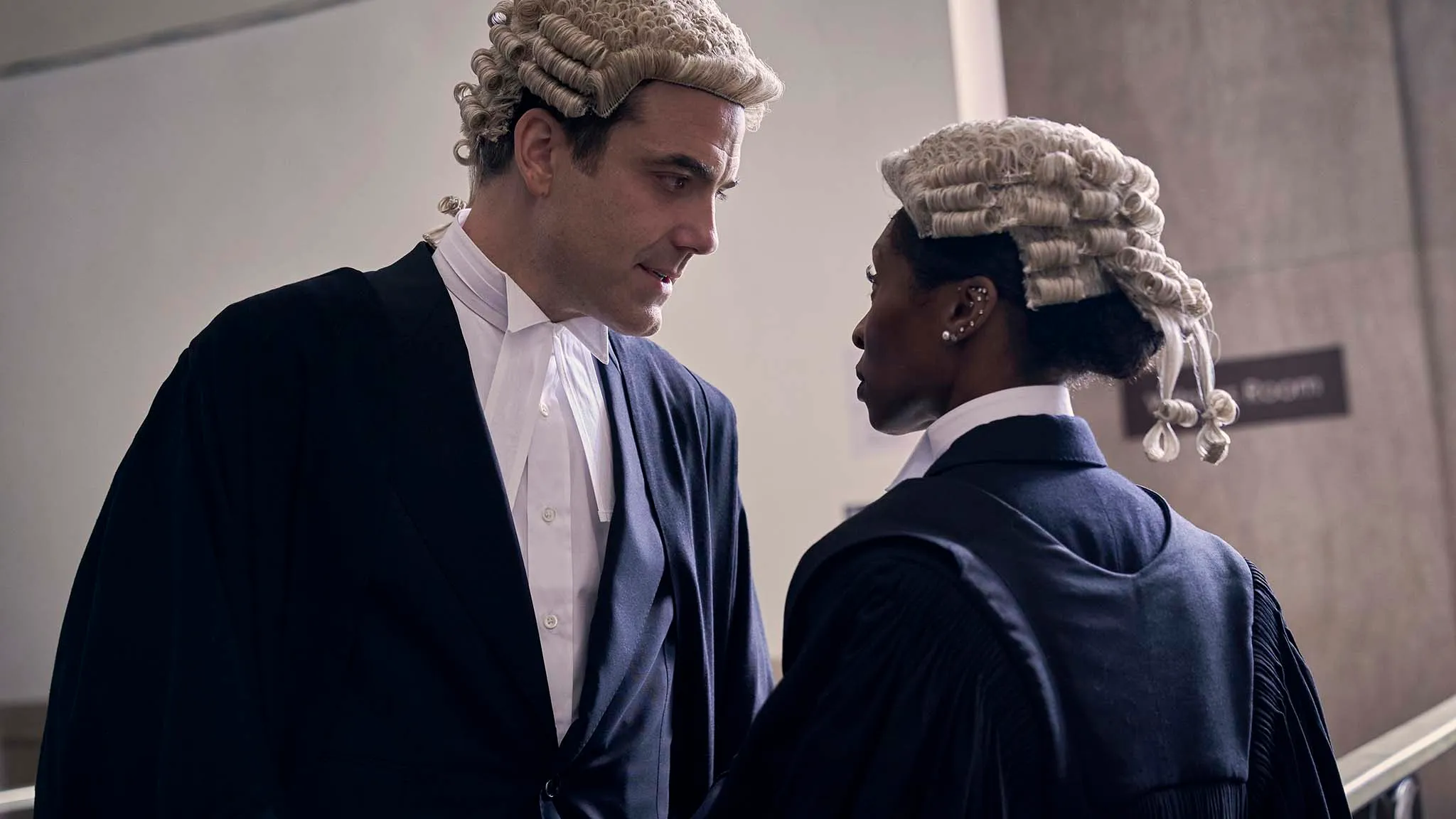
I also really appreciated how the film approaches its courtroom sequences. There is something particularly unsettling about watching Tessa experience the same tactics and lines of questioning that she once employed professionally. The reversal of perspective is incredibly effective, forcing both the character and the audience to reconsider what it actually means to pursue justice. The film raises difficult questions without pretending there are simple answers, and that is one of its greatest strengths. It doesn’t need to sensationalise its subject matter because the reality of what it is exploring is confronting enough.
Another element I particularly loved was the musical score. It might not be the first thing audiences associate with a courtroom drama, but the music adds an important emotional dimension to the experience. It complements the film’s more intimate moments while helping build tension and atmosphere when the story becomes increasingly difficult to watch. It’s an aspect of the filmmaking that deserves recognition because it contributes considerably to the film’s overall impact.
What I appreciated most about Prima Facie is that it doesn’t offer audiences an easy viewing experience, nor should it. It challenges perceptions, encourages difficult conversations and shines a light on the shortcomings of a system that can sometimes leave those seeking justice feeling more powerless than when they began. Its subject matter is confronting, but its importance cannot be understated. More than anything, it reminds us that behind every legal case is a human being whose life and experiences cannot always be neatly translated into courtroom evidence.
Prima Facie is an incredibly powerful piece of filmmaking, elevated by Cynthia Erivo’s outstanding performance, Suzie Miller’s exceptional screenplay and a musical score that beautifully complements the journey. It’s a film that made me feel, think and reflect, and one that I suspect will stay with me for quite some time. I absolutely loved it, and while it’s certainly not an easy watch, it’s a tremendously rewarding one. A remarkable drama that deserves to be seen and, more importantly, discussed.
Screening as part of the British Film Festival.




Leave a Reply