



















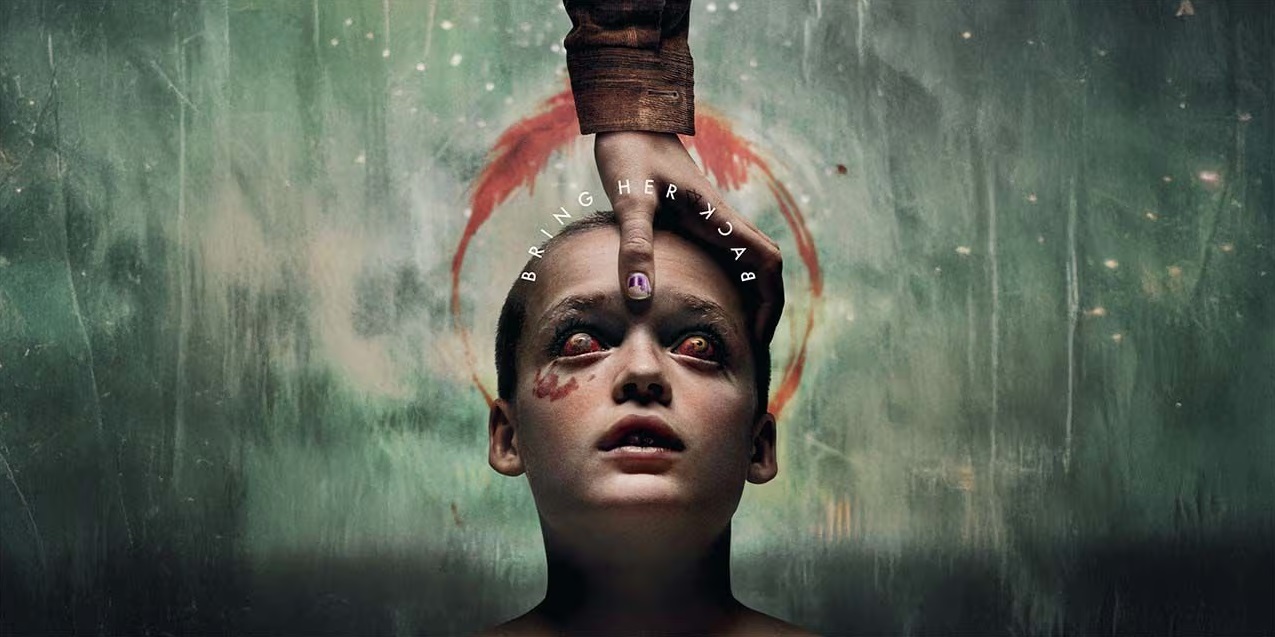
A24’s Bring Her Back, directed by Danny and Michael Philippou, is a grim follow-up to their electrifying debut, Talk to Me, which ranks among my all-time favorite horror films for its raw intensity and sense of realism. With Bring Her Back, the Philippou brothers dive deeper into the murky waters of grief, delivering a film that’s as unsettling as it is saddening. This supernatural horror flick cements their reputation as fearless storytellers who aren’t afraid to blend emotional devastation with stomach-churning terror.

The story centers on step-siblings Andy (Billy Barratt) and Piper (Sora Wong), who, after the traumatic death of their father, are placed in the care of foster mother Laura (Sally Hawkins) in a secluded Australian home. Laura, grieving the loss of her blind daughter Cathy, presents a warm facade that quickly unravels into something sinister. Her foster child Ollie (Jonah Wren Phillips), a mute boy with an insatiable hunger and disturbing behavior, becomes a focal point of the film’s dread. The realism that I adored in Bring Her Back shines through in the grounded portrayal of the siblings’ trauma and their struggle to navigate a new, hostile environment. The Philippous’ knack for anchoring supernatural horror in real human emotion mirrors the gut-punch authenticity that made Talk to Me so unforgettable.
Sally Hawkins delivers a tour-de-force performance as Laura, twisting her typically warm, maternal persona into something menacing yet heartbreaking. Her ability to oscillate between nurturing and unhinged is mesmerizing, making Laura a complex antagonist whose actions, though horrific, stem from a warped sense of love. Hawkins’ portrayal elevates the film, grounding its more fantastical elements in a deeply human tragedy. Similarly, Billy Barratt’s Andy is a revelation, carrying the emotional weight of a protective older brother with raw vulnerability. Sora Wong, in her feature debut as the visually impaired Piper, brings a quiet strength that complements the ensemble, while Jonah Wren Phillips’ nearly wordless performance as Ollie is chillingly iconic, his physicality evoking a sense of unease.
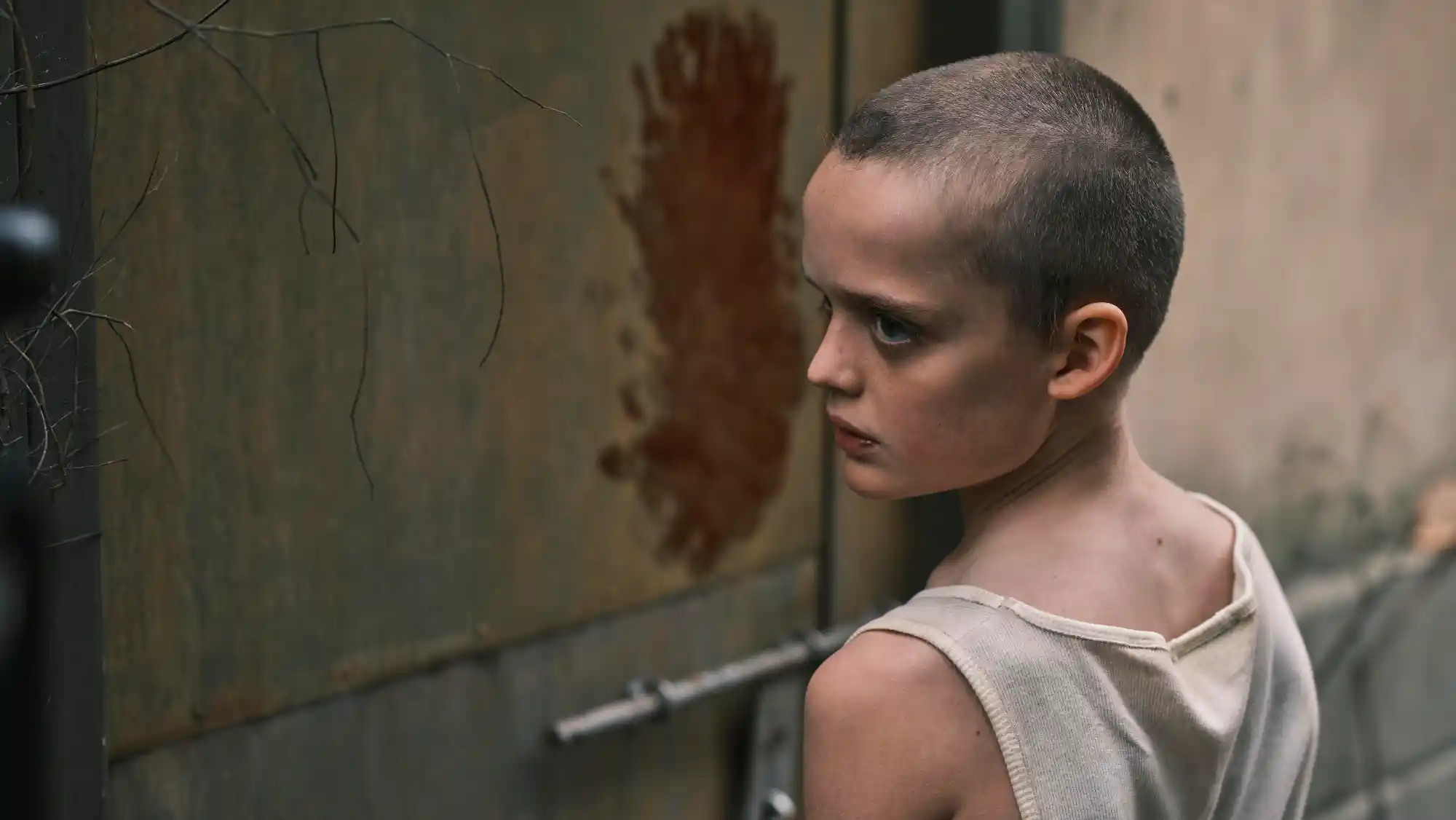
The film’s sense of realism, which I found particularly gripping, is amplified by its meticulous craftsmanship. Aaron McLisky’s cinematography captures the rain-soaked, claustrophobic foster home with a gritty intimacy, while Geoff Lamb’s editing weaves in grainy VHS tapes of occult rituals that hint at Laura’s dark intentions. These tapes, alongside eerie sound design and Cornel Wilczek’s haunting score, create an oppressive atmosphere that feels almost tangible. The Philippous approximate Piper’s low vision through defocused shots, immersing the audience in her disorienting perspective. This commitment to sensory authenticity makes the horror feel immediate and lived-in, much like the dread of Talk to Me.
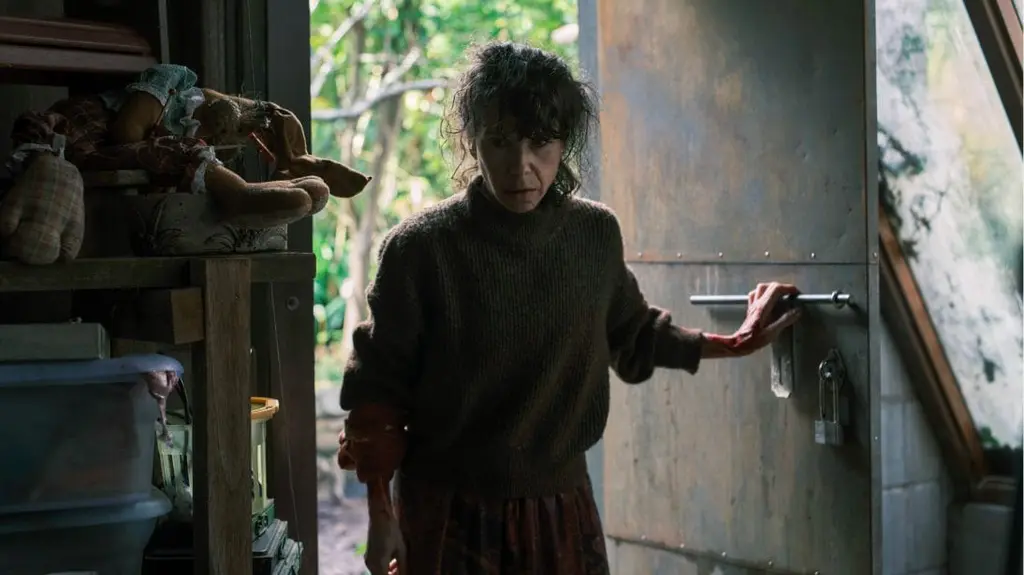
Where Bring Her Back excels is in its exploration of grief as a destructive force. Like Talk to Me, it uses horror to dissect how loss can distort love into something monstrous. Laura’s desperation to “bring her back”—presumably her daughter Cathy—drives the film’s supernatural elements, including a mysterious chalk circle around the property and Ollie’s animalistic behavior. These elements are introduced with a slow-burn tension that erupts into shocking, gory set pieces, such as Ollie’s horrifying self-harm with a kitchen knife.
However, my one minor letdown with Bring Her Back lies in its story, particularly the convoluted plot points surrounding Ollie and the VHS tapes. The tapes, depicting what appear to be satanic rituals, are a constant, eerie presence, but the film withholds crucial details about their origins and Laura’s connection to the cult-like group shown. Ollie’s role as a mute, zombie-like figure is haunting, but his backstory feels frustratingly vague. Is he a victim, a channel to the other side, or something else entirely? A little more context could have clarified these elements without sacrificing the film’s ambiguity, potentially elevating it to the narrative coherence of Talk to Me.
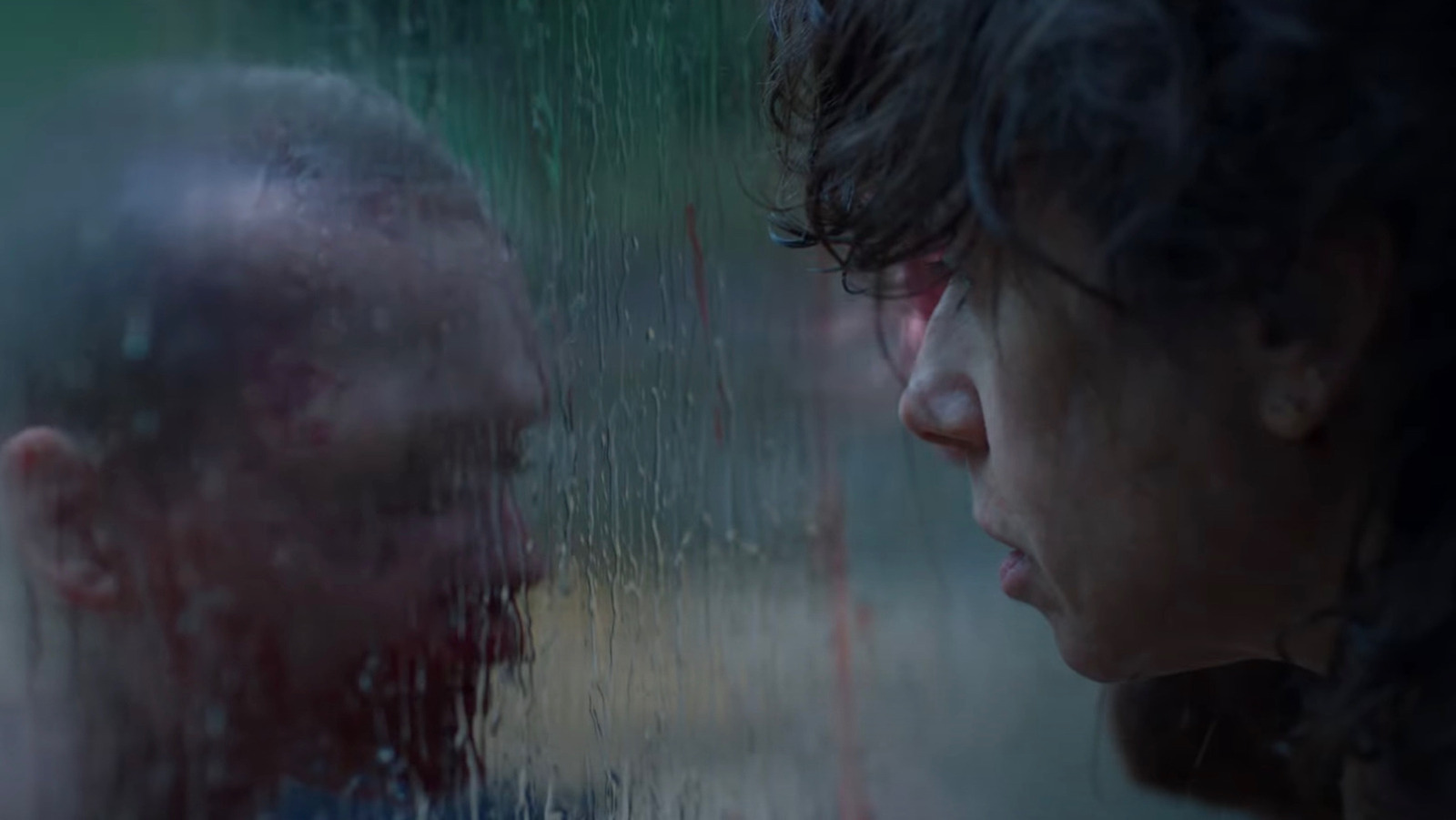
Despite this, the film’s emotional core remains unshakable. Andy and Piper’s sibling bond, tested by Laura’s manipulations and Ollie’s disturbing presence, anchors the story in a relatable humanity. The Philippous deftly parallel Andy’s protectiveness with Laura’s obsessive grief, creating a disturbing mirror that underscores the film’s themes. Even when the plot feels murky, the characters’ motivations are clear, making their descent into horror all the more affecting. The Philippous’ direction is confident, blending arthouse sensibilities with mainstream horror thrills. Their ability to balance scares with emotional character studies recalls A24’s best horror offerings, like Hereditary or The Witch. While Bring Her Back may not reach those films’ narrative precision, it matches their emotional intensity.
For fans of Talk to Me, Bring Her Back delivers the same savage ferocity and emotional heft, though it leans darker and meaner. Its 91% Rotten Tomatoes score reflects its critical acclaim, with reviewers praising its performances and atmosphere, though some echo my sentiment about the story’s occasional blur. Still, the film’s ability to evoke both terror and empathy makes it a standout in A24’s horror catalog. Bring Her Back is a brutal, beautifully crafted horror film that cements the Philippou brothers as masters of terror.
Bring Her Back arrives at Luna Palace Cinemas Thursday, May 29, 2025
Email:neill@outloudculture.com