

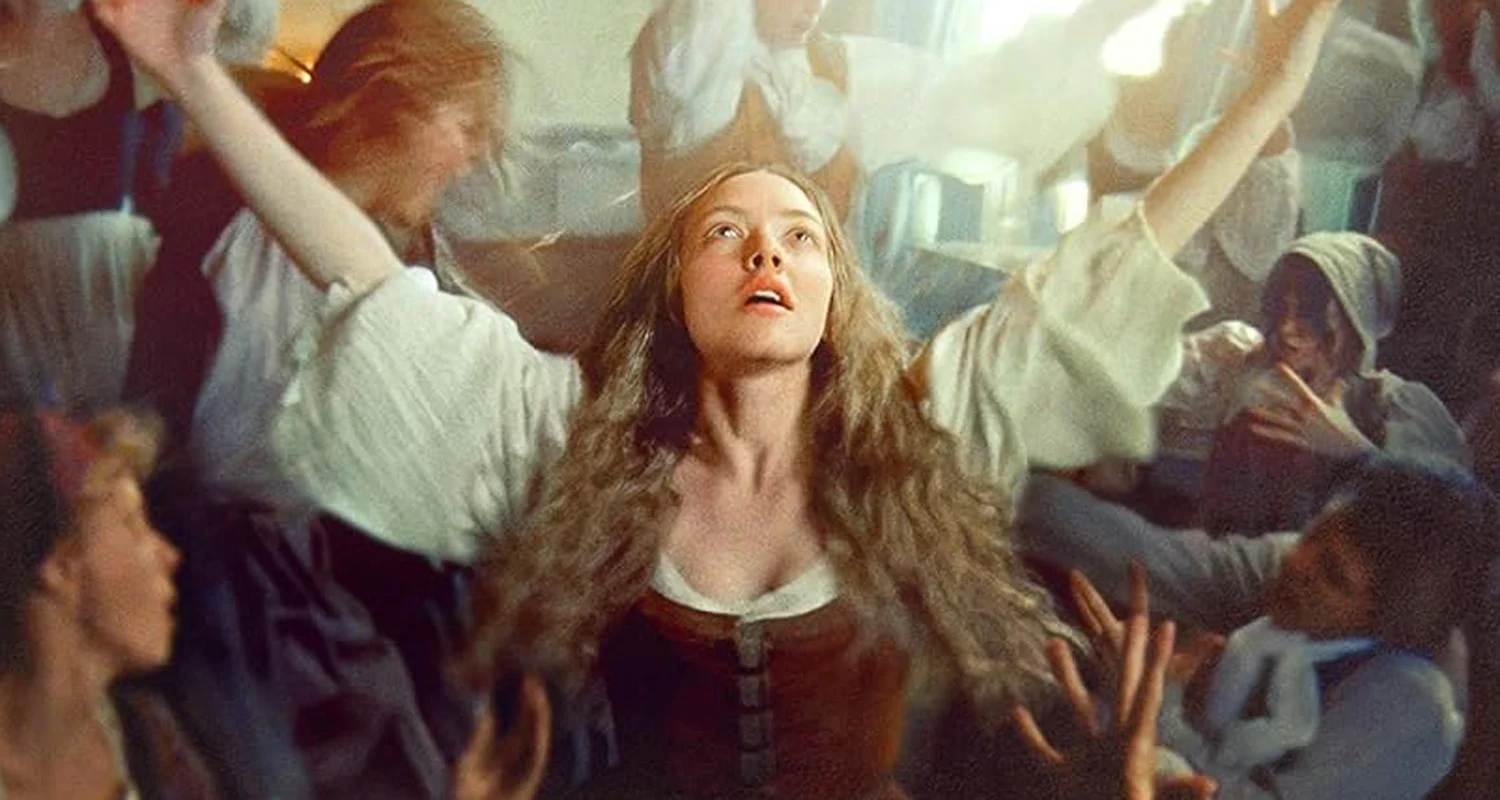
As someone who isn’t really fond of period films, I approached The Testament of Ann Lee with more skepticism than excitement. Yet, from the opening scenes, I found myself unexpectedly pulled in, largely thanks to Amanda Seyfried’s electrifying portrayal of the Shaker founder. This isn’t your standard biopic; it’s a bold, unconventional exploration of faith and fervor that, while not entirely winning me over, left a lasting impression through its sheer audacity and Seyfried’s magnetism.
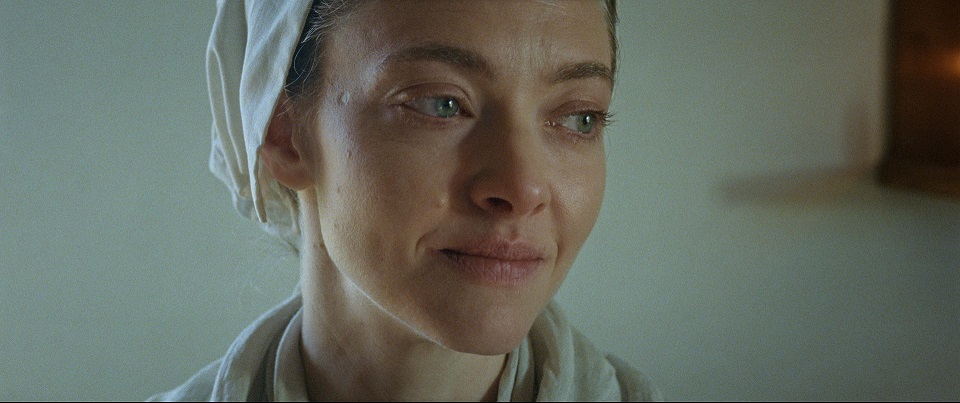
The film chronicles the life of Ann Lee, a working-class woman from 18th-century Manchester who rises to become the spiritual leader of the Shakers, a sect known for their ecstatic worship, communal living, and strict celibacy. Fleeing persecution in England, Ann and her small band of followers—including her brother William (Lewis Pullman) and husband Abraham (Christopher Abbott)—emigrate to colonial America, where they establish utopian communities amid suspicion and hardship. Director Mona Fastvold, collaborating with co-writer Brady Corbet, weaves this true story into a tapestry of religious ecstasy and personal turmoil, blending historical drama with surreal musical interludes.
At the heart of it all is Seyfried’s Ann Lee, a performance so commanding it elevates the entire film. She embodies Ann’s transformation from a tormented soul haunted by personal losses to a self-proclaimed female incarnation of Christ with a fierce, almost hypnotic conviction. Seyfried’s physicality—shaking, wailing, and dancing in raw, unfiltered displays—makes Ann feel alive and tangible, a far cry from the distant figures often seen in period pieces. Her restraint in quieter moments contrasts beautifully with the explosive religious sequences, drawing viewers into Ann’s inner world even when the narrative lags.
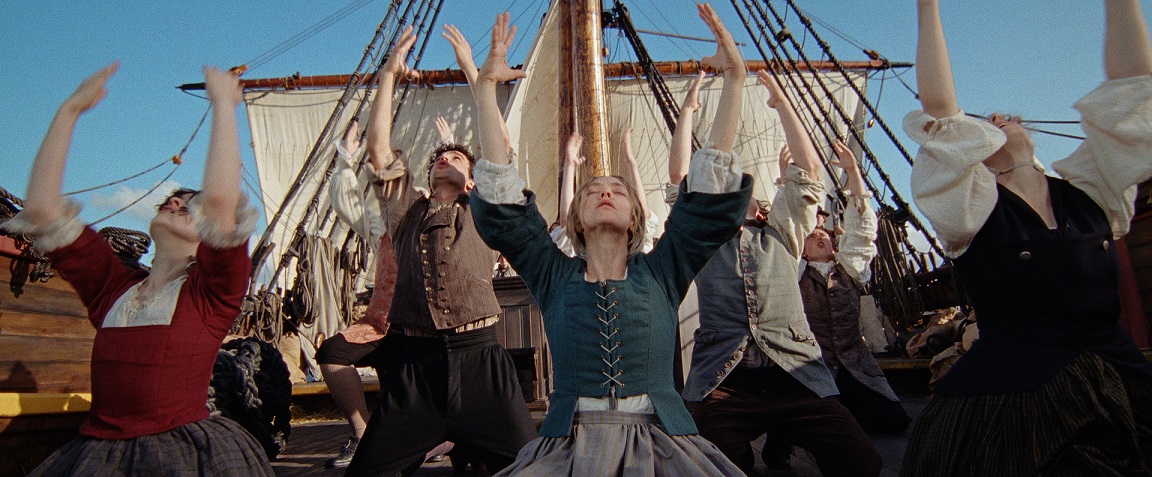
One of the film’s most distinctive elements is its integration of music and choreography, turning Shaker hymns and dances into hypnotic set pieces. Composer Daniel Blumberg’s score, paired with Celia Rowlson-Hall’s innovative movement design, creates moments of transcendent euphoria that blur the lines between musical, folk horror, and drama. These scenes are mesmerizing, like nothing I’ve seen before—yet they sometimes veer into the uncanny, making the film feel more like a fever dream than a grounded biography.
The supporting cast holds their own against Seyfried’s powerhouse turn. Lewis Pullman brings quiet intensity to William, Ann’s devoted brother, while Christopher Abbott infuses Abraham with frustrated humanity, highlighting the personal costs of Ann’s celibate doctrine. Thomasin McKenzie’s narration as young acolyte Mary adds a layer of introspection, though it occasionally feels redundant.
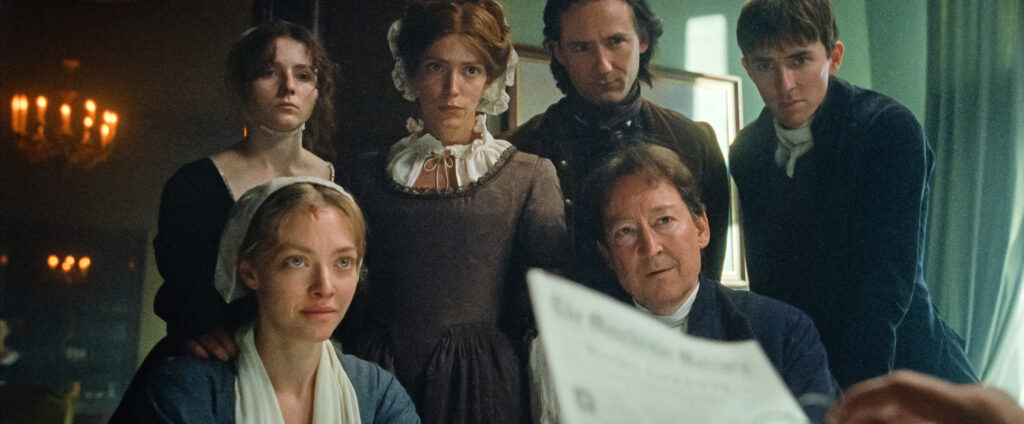
Despite its strengths, the movie isn’t without flaws. It grapples with heavy themes of faith, persecution, and gender roles in a way that’s intellectually engaging but emotionally distant at times. I appreciated the nonjudgmental lens on Ann’s beliefs—portraying her as prophet, victim, and fanatic without easy answers—but the ambiguity left me wanting more connection to the characters beyond their religious beliefs. For a period film skeptic like me, this detachment amplified my usual reservations, though the film’s commitment to its unique vision is admirable.
The Testament of Ann Lee is a divisive gem that’s easier to admire than to love, especially if historical dramas aren’t your cup of tea. But Seyfried’s magnetic performance alone makes it worth the watch—she’s a revelation, turning what could have been a forgettable biopic into something strangely captivating.
The Testament of Ann Lee Screening at Luna Leederville from February 26.

- Email: neill@outloudculture.com
- Socials: @frazer.live
- @neill.outloud




Leave a Reply