



















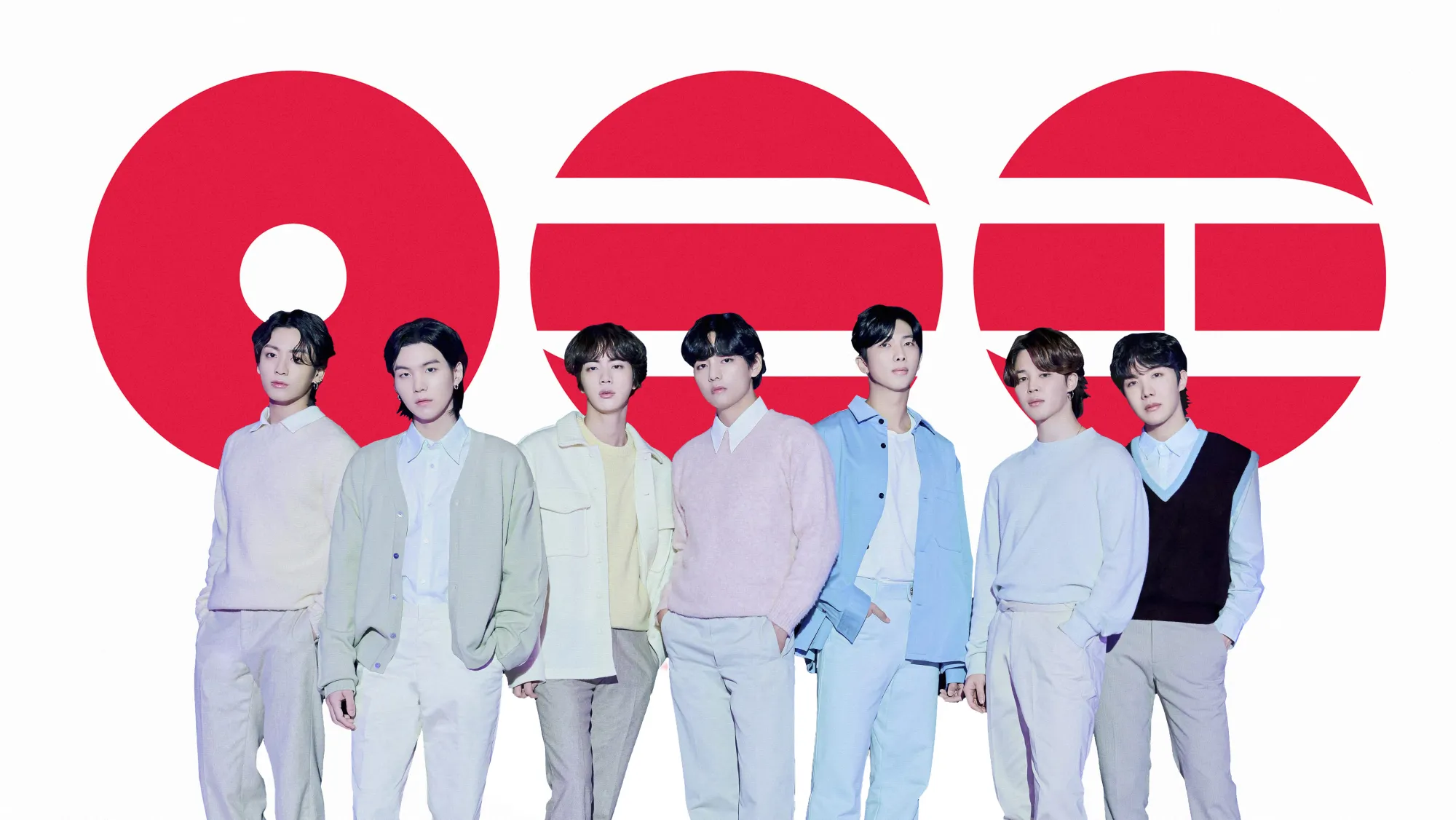
On March 20, 2026, the world held its breath as BTS dropped their long-awaited fifth studio album, Arirang. For millions of ARMY worldwide, it wasn’t just another release—it was a homecoming. After nearly four years of mandatory military service that scattered the septet across South Korea (some even stationed near the North Korean border), the group that redefined global pop has reunited with a project that feels both deeply personal and profoundly rooted in their origins.
Clocking in at a tight 41 minutes and 13 seconds, Arirang wastes no time announcing its intentions. The title itself is a masterstroke. Named after Korea’s unofficial national anthem—a traditional folk song of longing, separation, and eventual reunion—the album transforms that centuries-old melody of heartache into a modern anthem for a generation that has waited, grown, and now celebrates. An animated trailer released alongside the announcement even traces the song’s history back to 1896, when Korean students in the U.S. sang it as a quiet act of cultural defiance. BTS didn’t just borrow the name; they embodied its spirit.
The seven members—RM, Jin, SUGA, J-Hope, Jimin, V, and Jung Kook—spent July to November 2025 recording in Los Angeles, living together in one house for the first time since 2019. That shared space, combined with the emotional weight of military service and solo projects, infused the record with raw maturity. “During my time in the military, I couldn’t work on music even when I wanted to,” Jung Kook reflected. “That built up a sense of longing. It made me want to do better and deliver something great.”
The 14-track journey opens with the pulsing “Body to Body,” produced by a dream team including Picard Brothers, Diplo, and Ryan Tedder, setting a tone of physical and emotional reconnection. From the playful swagger of “Hooligan” to the interstellar curiosity of “Aliens” and the fiery urgency of “FYA,” the album refuses to sit still. Interludes like the brief, haunting “No. 29” give breathing room before the lead single “Swim” dives in—a buoyant, video-accompanied bop that has already shattered streaming records.
Mid-album highlights such as “Merry Go Round” (with its nostalgic carnival swirl produced by Sam Homaee and Kevin Parker of Tame Impala) and the introspective “Normal” capture the push-pull of fame and normalcy. Later tracks lean into vulnerability: “Like Animals” roars with primal energy, while closer “Into the Sun” bathes the listener in hopeful warmth. Every song credits BTS members as writers alongside global heavyweights—Flume, Mike WiLL Made-It, El Guincho, and Pdogg among them—proving that growth didn’t dilute their sound; it expanded it.
Critics have already crowned Arirang with universal acclaim. On release day, all 14 tracks dominated Spotify’s Global Top 50, while Apple Music logged the biggest first-day streams ever for a pop group album. The sequencing feels deliberate, a narrative arc that moves from separation to reunion, mirroring the group’s own story. Jimin put it best: “We gave deep thought to our identity—and how best to express ourselves authentically… As an extension of that process, we also revisited the significance of our background as a group comprised entirely of Korean members.”
The timing couldn’t be more poetic. Just one day after the album’s arrival, BTS takes the stage for “The Comeback Live Arirang”—a free, open-air concert at Seoul’s historic Gwanghwamun Square in front of Gyeongbokgung Palace. Organizers expect up to 260,000 fans, with Netflix livestreaming the event to 190 countries. Streets around the venue are already draped in “Welcome BTS + ARMY” banners. Hotels are sold out. International fans have flown in from every continent, turning the capital into a sea of purple light sticks.
This is only the beginning. An 82-date world tour kicks off April 9 and stretches into March 2027. A Netflix documentary, BTS: The Return, premieres March 27, promising behind-the-scenes glimpses of the reunion. And on March 23, the group will make their first U.S. live appearance in nearly four years at a special Spotify event in New York.
What makes Arirang special isn’t just the music—it’s the message. As K-pop columnist Jeff Benjamin observed, the album “feels like a love letter to their home country.” Sociologist Grace Kao adds that BTS is “looking towards the future but reminding the fans and themselves of their history.” In an industry that often demands reinvention, BTS chose authenticity. They didn’t chase trends; they returned to the folk roots that raised them, wrapped in the sophisticated production that conquered the globe.
For ARMY, this isn’t a comeback. It’s a continuation. The boys who once sang about chasing dreams under Seoul’s neon lights are now men who understand the cost of those dreams—and the joy of sharing the journey again. Arirang isn’t just an album. It’s proof that even after the longest separation, the longing always leads back home.
Stream Arirang now. Clear your calendar for the world tour. And get ready to sing along to the folk song that became a global phenomenon—because BTS isn’t just back. They’re home.
- Email: neill@outloudculture.com
- Socials: @frazer.live
- @neill.outloud