

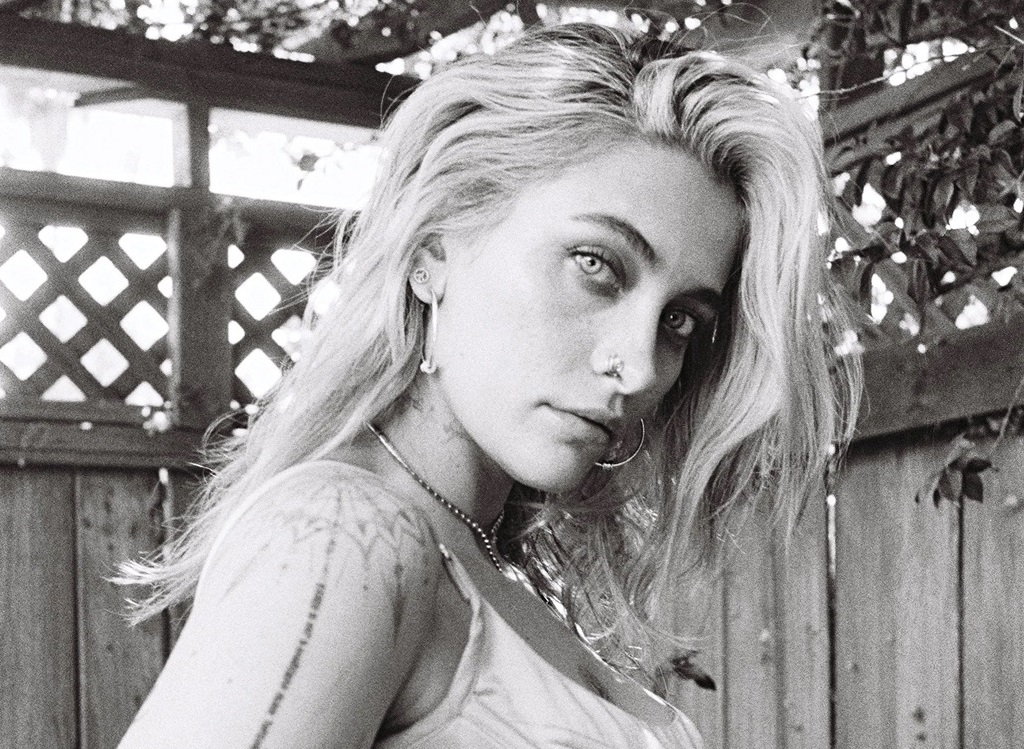
featuring @parisjackson
Paris Jackson’s Happiest Day of My Life arrives as a raw, alt-rock reckoning—made for the teenager she once was, and the woman she has fought to become.
On August 21, 2026, Paris Jackson released her second studio album, Happiest Day of My Life, via Republic Records and her own Dragonflower Enterprises. Nearly six years after her 2020 debut wilted—a collaborative folk-leaning project with Manchester Orchestra’s Andy Hull and Robert McDowell that topped the iTunes U.S. Alternative Albums chart—Jackson has stepped into a heavier, more expansive sound. The 11-track record, clocking in at roughly 37 minutes, draws from ’90s and early-2000s alternative rock while remaining unmistakably personal.

Jackson has described the album as “a collision of sound, experience and emotion.” She made it, she said in the announcement, “for teen-me, and for anyone else that felt the way i did at that time. rock on my angsty tumblr girlies.” The influences are explicit: The Smashing Pumpkins, Pixies, Marcy Playground, Bright Eyes. The production team includes 4 Non Blondes founder Linda Perry, Butch Walker, and Jason Lader. The result is a record that feels both nostalgic and urgent—grungy guitars, vulnerable vocals, and lyrics that refuse to look away from pain.
A Cover That Refuses Comfort
The artwork is deliberately confrontational. Jackson appears in a hospital gown, cotton-ball “headphones,” biting down on a mouth guard while a hand cups her chin—evoking electroconvulsive therapy. The image is not metaphorical window dressing. In recent interviews, including an appearance on Jay Shetty’s On Purpose podcast, Jackson has spoken openly about undergoing ECT after suicidal thoughts returned around the time she marked five years of sobriety. She has described multiple suicide attempts beginning at age 15, years of inpatient care, and a long struggle with addiction to alcohol and heroin. She marked six years sober in January 2026.
The title track itself carries a wry edge. “This could be the happiest day of my life,” she sings, “but nothing lasts forever.” In conversation, Jackson has called the phrase both tongue-in-cheek and sincere. Happiness, she has said, is temporary—just as pain is temporary. The album sits in that tension: celebration tempered by hard-won realism.

Singles That Map the Interior
Three singles paved the way. “zombies in love,” co-written and produced with Linda Perry, sketches a relationship sustained by inertia and addiction—“nothing changes if nothing changes.” Jackson has said it draws from a toxic, drug-fueled romance more than half a decade earlier; with sober hindsight, the material remains fertile. “teenage drama” and the later single “stitched (on & on)” continue the thread of lingering attachment. In the latter, she asks whether a former partner still carries her “when you carry on, and on, and on,” balancing heartbreak with a fragile acceptance that memories do not simply disappear.
The full tracklist moves between propulsion and introspection:
1. teenage drama
2. maker
3. bang bang
4. zombies in love
5. happiest day of my life
6. evermore
7. sirens
8. ghost
9. gaslight
10. stitched (on & on)
11. american dream
“Sirens,” Jackson has noted, was among the most emotionally difficult to write—tied to the overdose of a friend on her drugs and the aftermath of waiting for paramedics. Across the record, themes of chronic loneliness, the band-aid of substances, recovery as a form of alchemy, and the ongoing work of mental health surface without tidy resolution.
From Debut to Declaration
Wilted introduced Jackson as a thoughtful songwriter working in alternative-folk textures. Happiest Day of My Life is denser, louder, more willing to occupy rock space. Where the first album told a relatively cohesive story of love and betrayal, the new one scatters across discrete emotional states—less a linear narrative than a series of dispatches from different rooms in the same house. The shift feels intentional: an artist claiming broader sonic ground while remaining rooted in the personal material that has always driven her writing.
Jackson has been supporting The Pretty Reckless on select dates and launching her first headlining run, the Zombies Tour, which began in mid-July 2026 and extends into the fall, with European and U.K. dates later in the year. She performed the title track on Good Morning America in the days before release and dropped an official music video for it on album day. Early live sets have mixed new material with older songs, showcasing a stage presence that is understated yet magnetic—electric guitar in hand, moving between brooding intensity and quieter vulnerability.
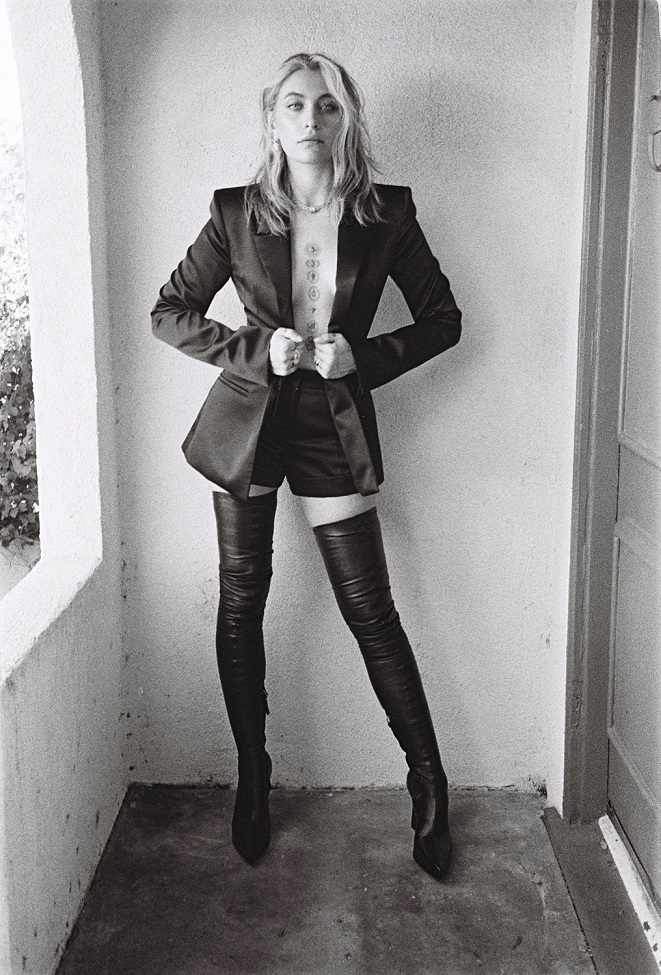
Inheritance and Independence
The shadow of her father, Michael Jackson, remains part of the public conversation around her work, yet Happiest Day of My Life is not an attempt to engage that legacy on its terms. Jackson has long been clear that she suppressed her musical ambitions for years, treating guitar as a private hobby until sobriety clarified its centrality. Music, she has said, was the one constant that carried her through the hardest periods before recovery; afterward, it became primary purpose. The album’s dedication to her younger self and to other “angsty Tumblr girlies” is both specific and generous—an offer of recognition rather than a claim to universal relevance.
At 28, with six years of sobriety and a growing catalog that refuses easy redemption arcs, Paris Jackson is writing from a place of hard-earned clarity. Happiest Day of My Life does not pretend the darkness is gone. It simply insists that the light—temporary, hard-won, imperfect—is worth documenting. The record is not a victory lap. It is a dispatch from the middle of the work: stitched, scarred, still moving.

- Email: neill@outloudculture.com
- Socials: @frazer.live
- @neill.outloud



Leave a Reply