

featuring @lunapalacecinemas @madmanfilms
Some documentaries inform us, others challenge our understanding of the world, and then there are films like NAZA that leave us confronting deeply uncomfortable questions about humanity, morality and the devastating consequences of unchecked power.
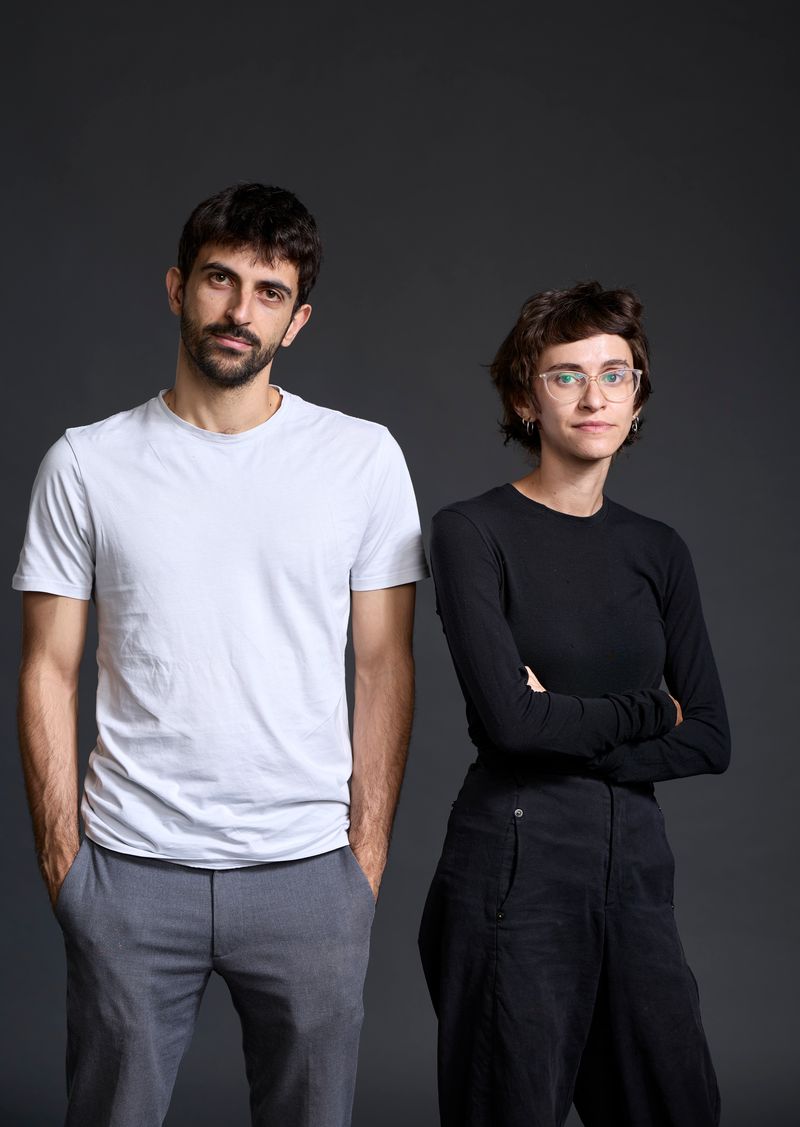
Directed by Yuval Abraham and Rachel Szor, the 2026 documentary investigates the systems behind Israel’s military operations in Gaza, drawing on testimony from 24 anonymous Israeli intelligence officers and soldiers. Through their accounts, the filmmakers examine how surveillance technology, artificial intelligence and the language of military procedure can become part of a system in which civilian lives are reduced to calculations.
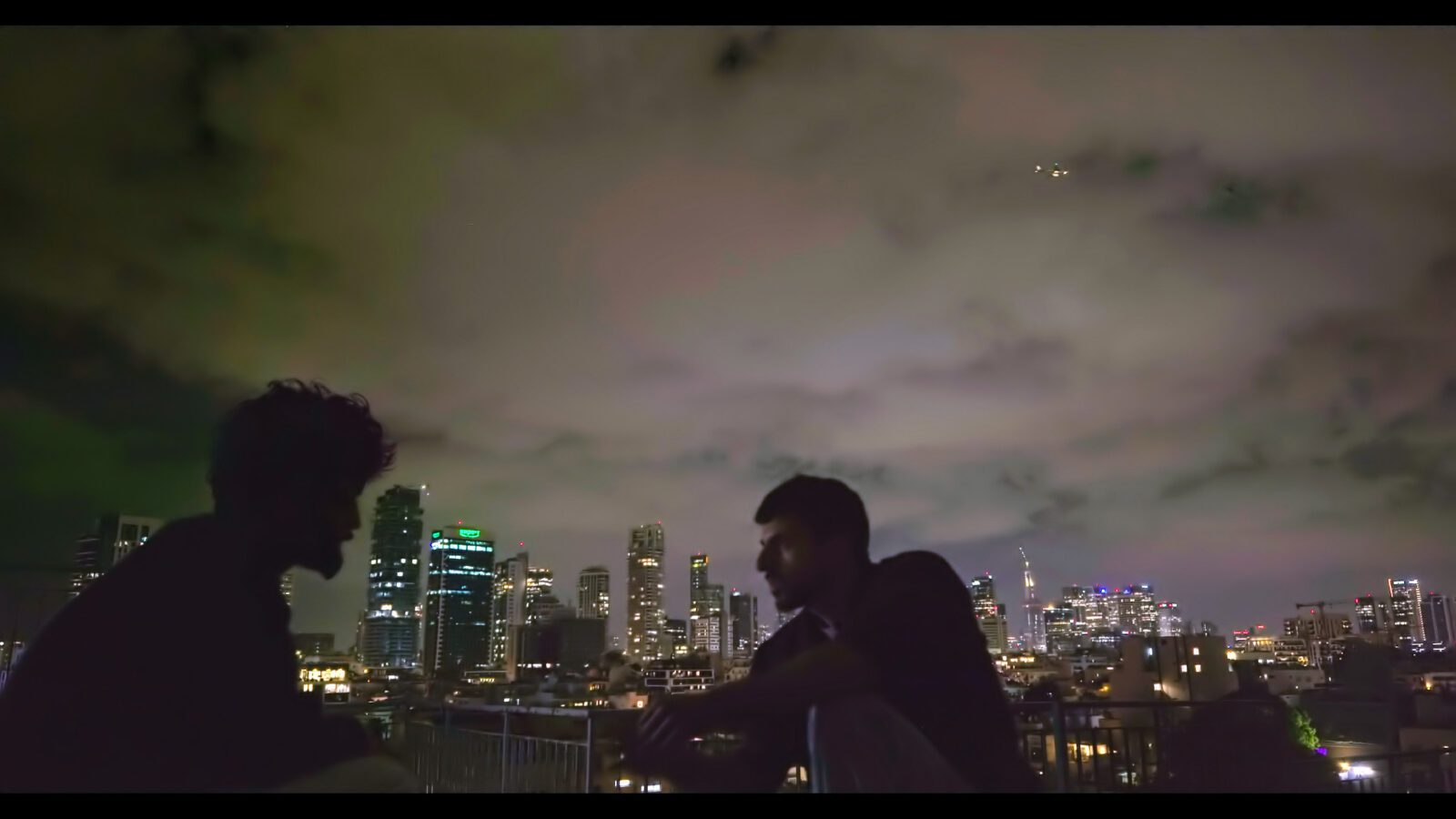
What makes NAZA so unsettling is the way it approaches its subject. Rather than relying solely on dramatic narration or conventional talking-head interviews, Abraham and Szor conduct their conversations under the cover of darkness on rooftops in Tel Aviv. The interviewees remain hidden in shadow, their identities protected as they describe the processes they witnessed or participated in. It is a stark visual approach that reinforces the secrecy surrounding the film’s revelations while creating an atmosphere of profound unease.
The most disturbing element is the apparent normalisation of violence within the systems the documentary investigates. Discussions of surveillance, target selection and anticipated civilian casualties are presented through technical language and calculated procedures. Human lives become numbers, and decisions with devastating consequences are discussed with a detachment that is difficult to comprehend. The film’s title itself reflects this disturbing reality, drawing on military terminology associated with collateral damage.
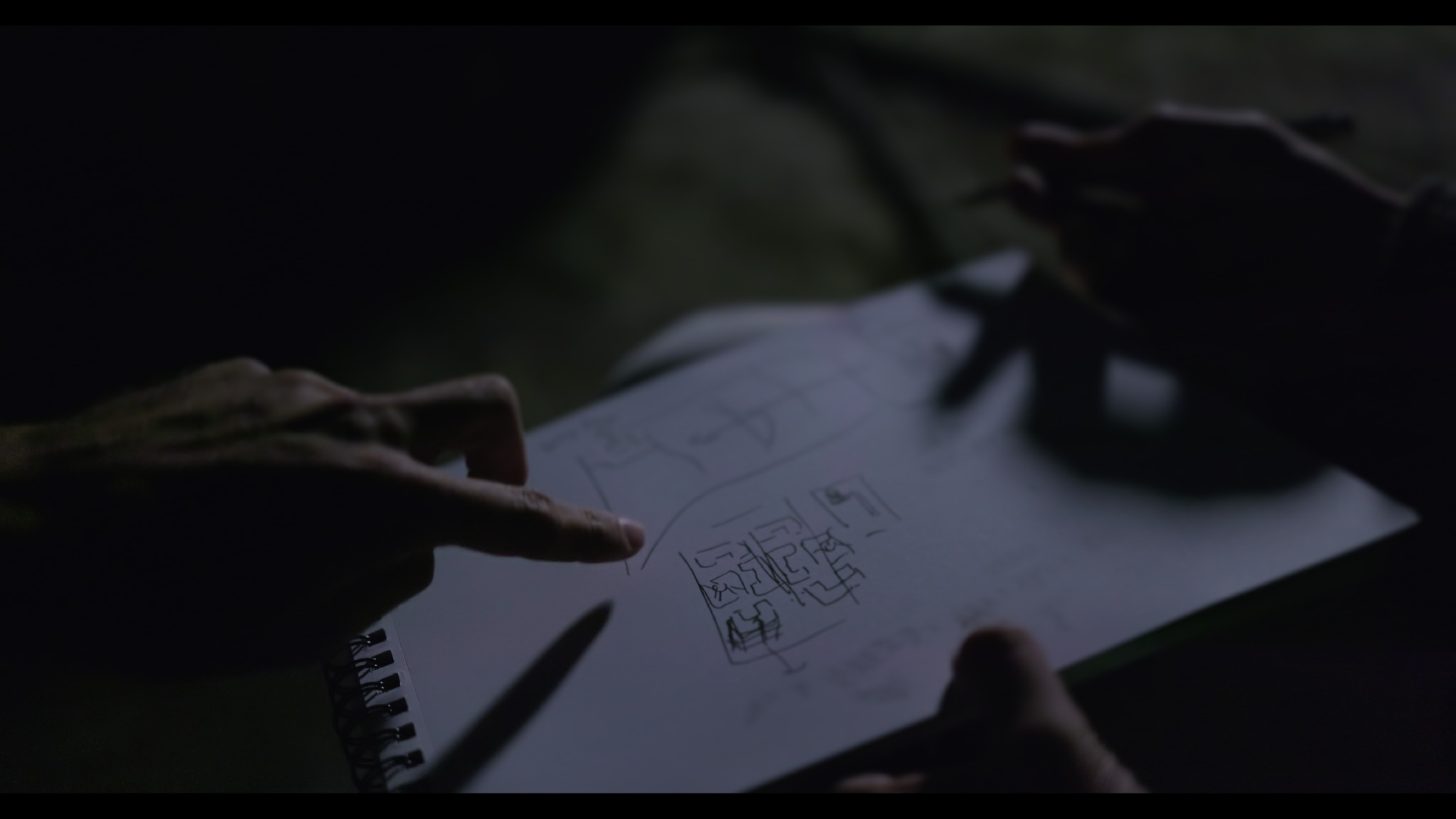
By allowing these testimonies to speak for themselves, the directors create a documentary that is as revealing as it is distressing. The absence of identifiable faces becomes particularly effective, stripping away the usual visual cues that might help an audience judge the people speaking. Instead, viewers are left to consider their words, the systems they describe and the moral responsibility that comes with participating in them.
The restrained filmmaking makes the material even more powerful. The quiet rooftops and nighttime cityscapes provide an unsettling contrast to the violence being discussed. Ordinary life continues in the background while the interviewees describe operations with extraordinary human consequences. This contrast serves as a reminder of how easily suffering can become abstract when it is experienced through screens, intelligence reports and distant military decisions rather than direct human contact.
However, the documentary’s approach also raises an important consideration. While the testimony of Israeli military personnel provides a disturbing insight into the machinery of warfare, the film is primarily framed through the perspectives of those involved in its operation. Palestinian voices are notably absent, even though Palestinian lives and experiences are at the centre of the subject being examined. That limitation does not diminish the significance of the testimony, but it does leave another dimension of the human tragedy outside the film’s immediate perspective.
Ultimately, NAZA is not an easy documentary to watch, nor should it be. Abraham and Szor have created a confronting work that asks audiences to consider what happens when technology, bureaucracy and obedience combine to distance people from the consequences of their actions. Its most frightening implication is that devastating violence does not always require individuals to see themselves as villains; it can also be sustained by people who believe they are simply carrying out a process.
Powerful, deeply disturbing and impossible to dismiss, NAZA is an urgent piece of investigative filmmaking that challenges viewers to look beyond military terminology and consider the human lives hidden behind the numbers. It is a sobering reminder that the language used to describe violence can never erase the reality of those who suffer its consequences.
Email: neill@outloudculture.com




Leave a Reply