

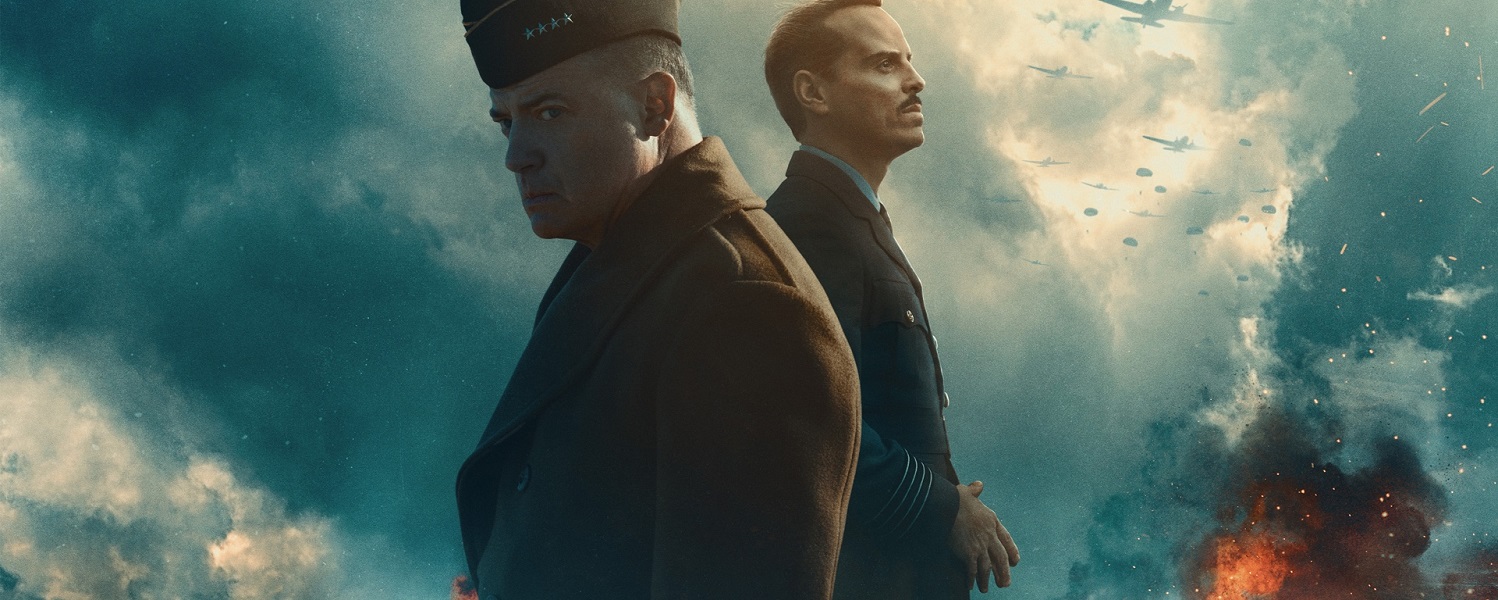
History has given us countless films about the Second World War, but Pressure finds a compelling way to revisit one of its most consequential moments by focusing on the decisions that had to be made before the fighting began. Rather than relying entirely on battlefield spectacle, director Anthony Maras delivers a tense historical drama in which meteorological predictions, conflicting opinions and the weight of responsibility become just as gripping as any military confrontation.
Set in the 72 hours leading up to D-Day, the film follows Allied leaders as they face an extraordinary dilemma: proceed with the planned invasion of Normandy or postpone an operation that could determine the course of the war. At the centre of the crisis is British meteorologist Captain James Stagg, played by Andrew Scott, whose weather forecasts challenge the more optimistic predictions of his American counterpart. With thousands of lives at stake, the question is no longer simply about the weather. It is about whether anyone can make the right decision when certainty is impossible.
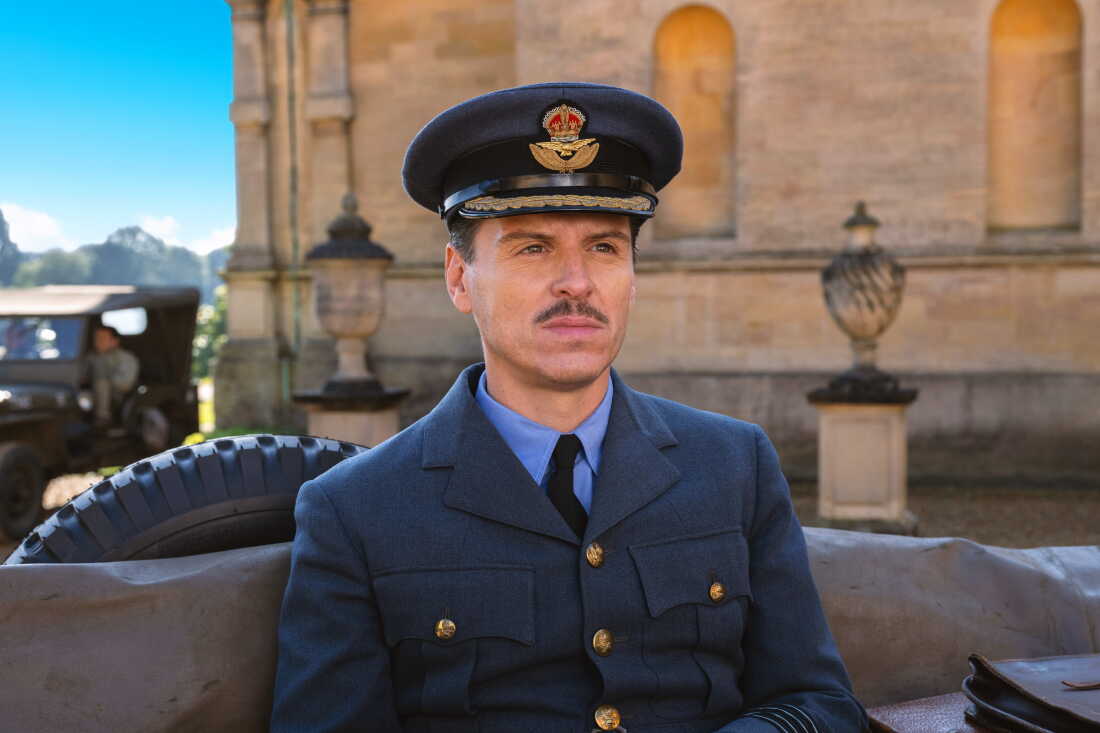
One of the film’s greatest strengths is its understanding that tension does not always need to come from action. Much of Pressure unfolds through conversations, disagreements and the painstaking analysis of weather data, yet these quieter moments carry an extraordinary sense of urgency. Every forecast has consequences, and every disagreement threatens to derail an operation that cannot afford to fail.
The screenplay, co-written by Maras and David Haig, makes the technical details accessible without losing sight of the human stakes. The meteorological discussions are central to the narrative, but they never feel entirely detached from the lives hanging in the balance. Instead, they become the foundation for a gripping examination of leadership, accountability and the difficulty of making decisions with incomplete information.
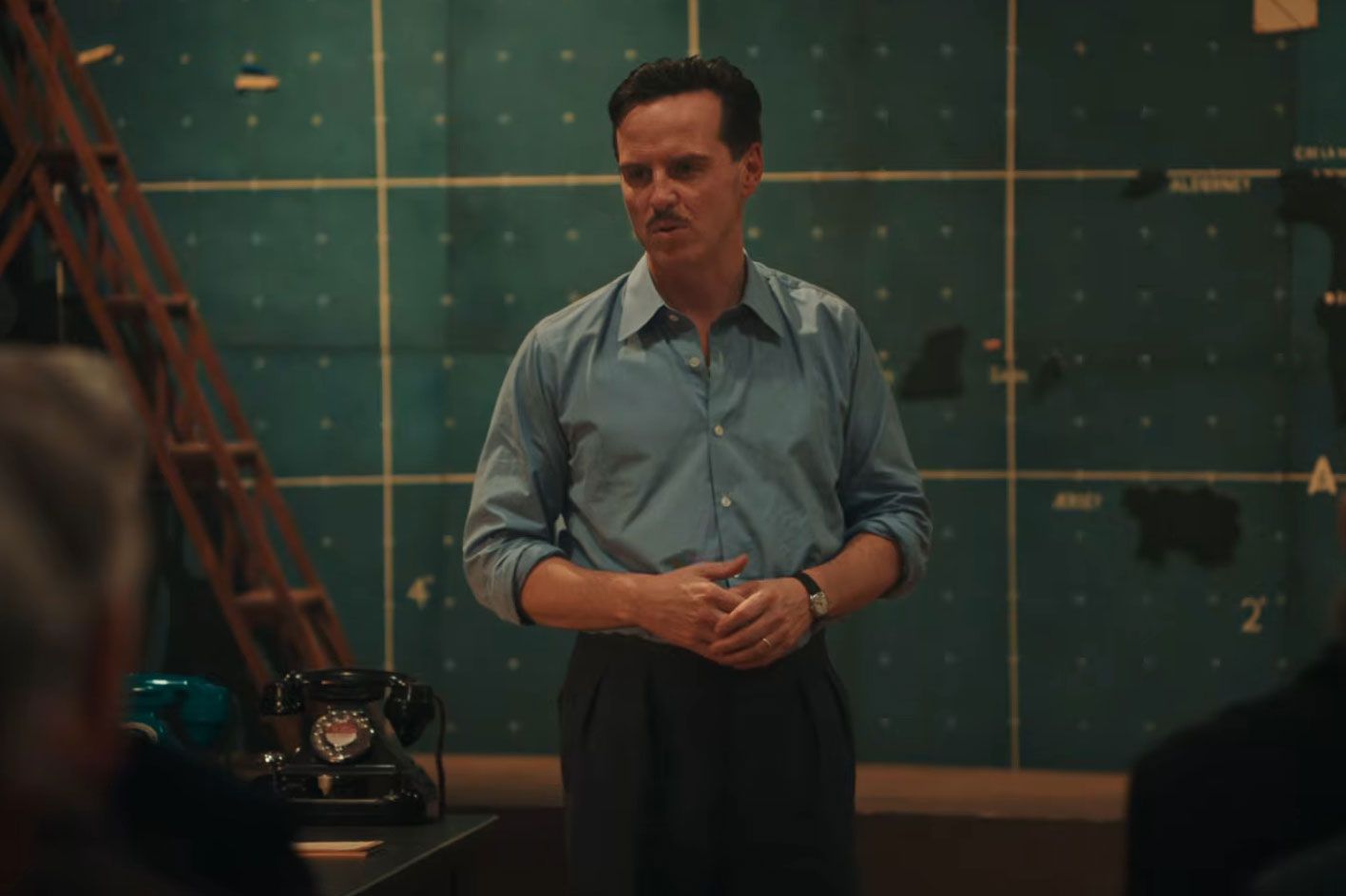
Andrew Scott is the film’s standout performer, bringing intelligence, restraint and determination to James Stagg. Rather than portraying him as an infallible hero, Scott gives us a man who understands the significance of his responsibility and the consequences of getting things wrong. His performance captures the frustration of being expected to provide certainty in a situation where certainty simply does not exist.
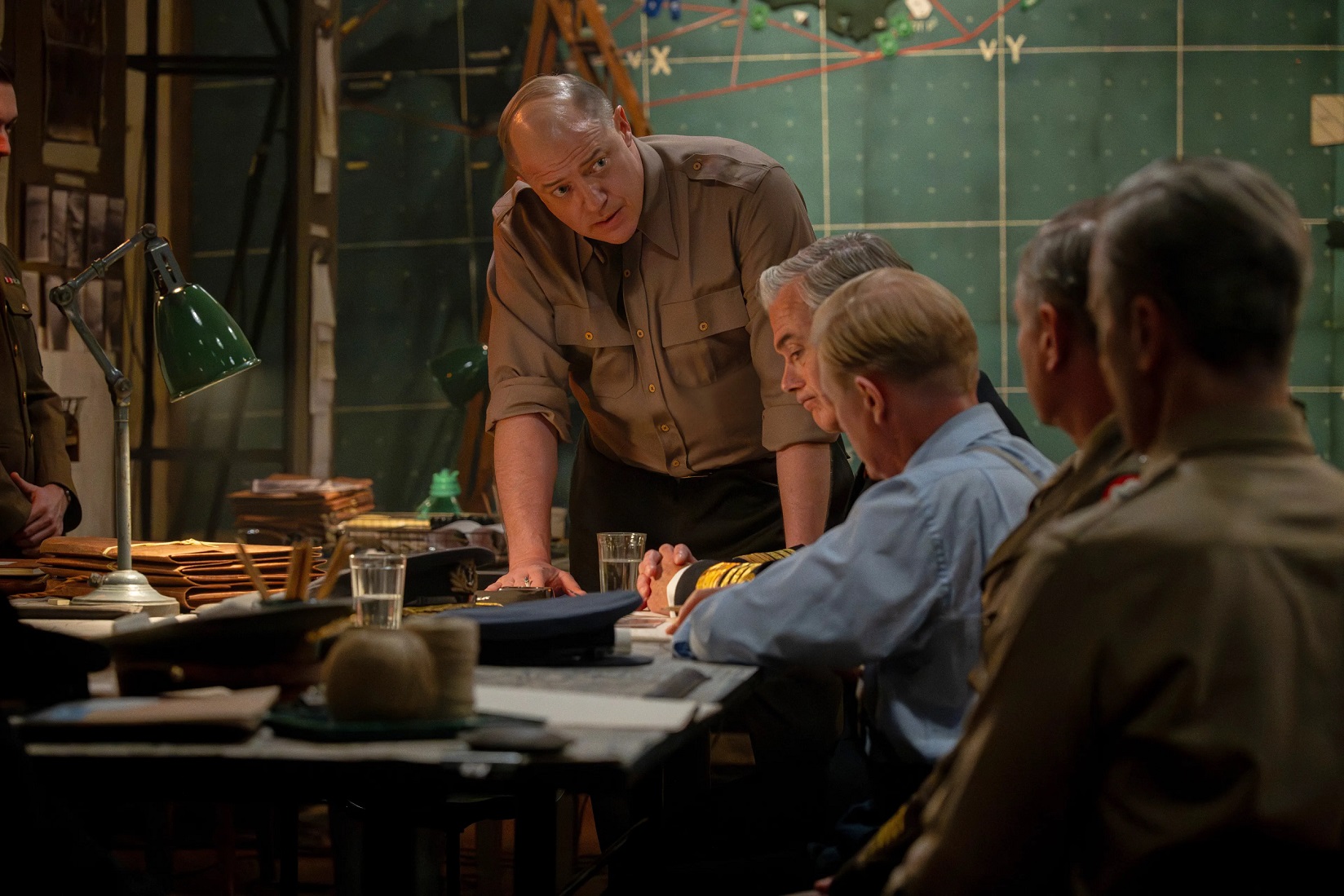
Brendan Fraser offers a compelling counterpoint as General Dwight D. Eisenhower. His portrayal conveys the exhausting burden of leadership, balancing military authority with the awareness that an incorrect decision could cost countless lives. Kerry Condon also makes a welcome impression as Kay Summersby, bringing warmth and intelligence to the film’s otherwise tense environment.
There are moments in this film when the dialogue-heavy approach threatens to become repetitive, and some of the personal storylines feel less compelling than the central conflict. The film is at its strongest when it concentrates on Stagg’s forecasts and the increasingly difficult conversations surrounding them. Whenever it moves away from that central tension, some of its momentum is lost.
Pressure is a smart, absorbing and impressively acted historical drama that discovers fresh tension in a familiar chapter of history. By placing the spotlight on the people responsible for interpreting the weather and making an almost unimaginable decision, it offers a different perspective on the events that preceded D-Day.
Andrew Scott delivers an excellent central performance, while Brendan Fraser and the supporting cast help give the story it’s emotional depth. Its occasional pacing issues and less engaging personal subplots prevent it from reaching its full potential, but the central drama remains consistently compelling.






Leave a Reply