

featuring @britishfilmfest @anarchy_pr
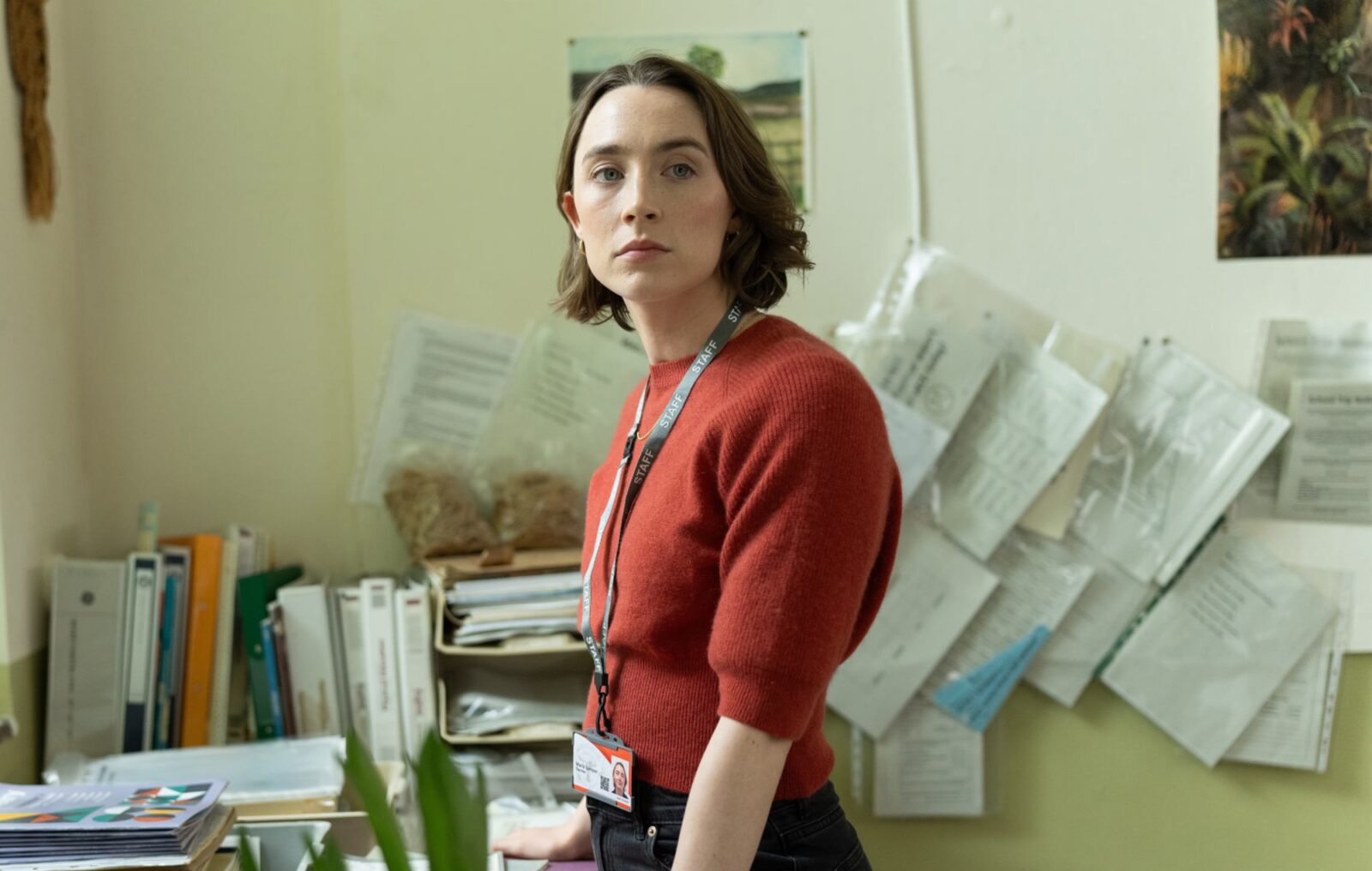
Bad Apples is a dark comic thriller that explores the failures of the education system, the pressures placed on teachers and the disturbing ways people justify their own questionable decisions. Directed by Jonatan Etzler, the film follows Maria Spencer (Saoirse Ronan), a primary school teacher struggling to maintain control of her classroom while dealing with Danny (Eddie Waller), a disruptive student whose behaviour threatens to derail her career. With pressure mounting ahead of a school inspection, Maria finds herself pushed to breaking point. However, after an encounter with Danny takes an unexpected turn, she makes a decision that transforms an already difficult situation into something far more sinister.
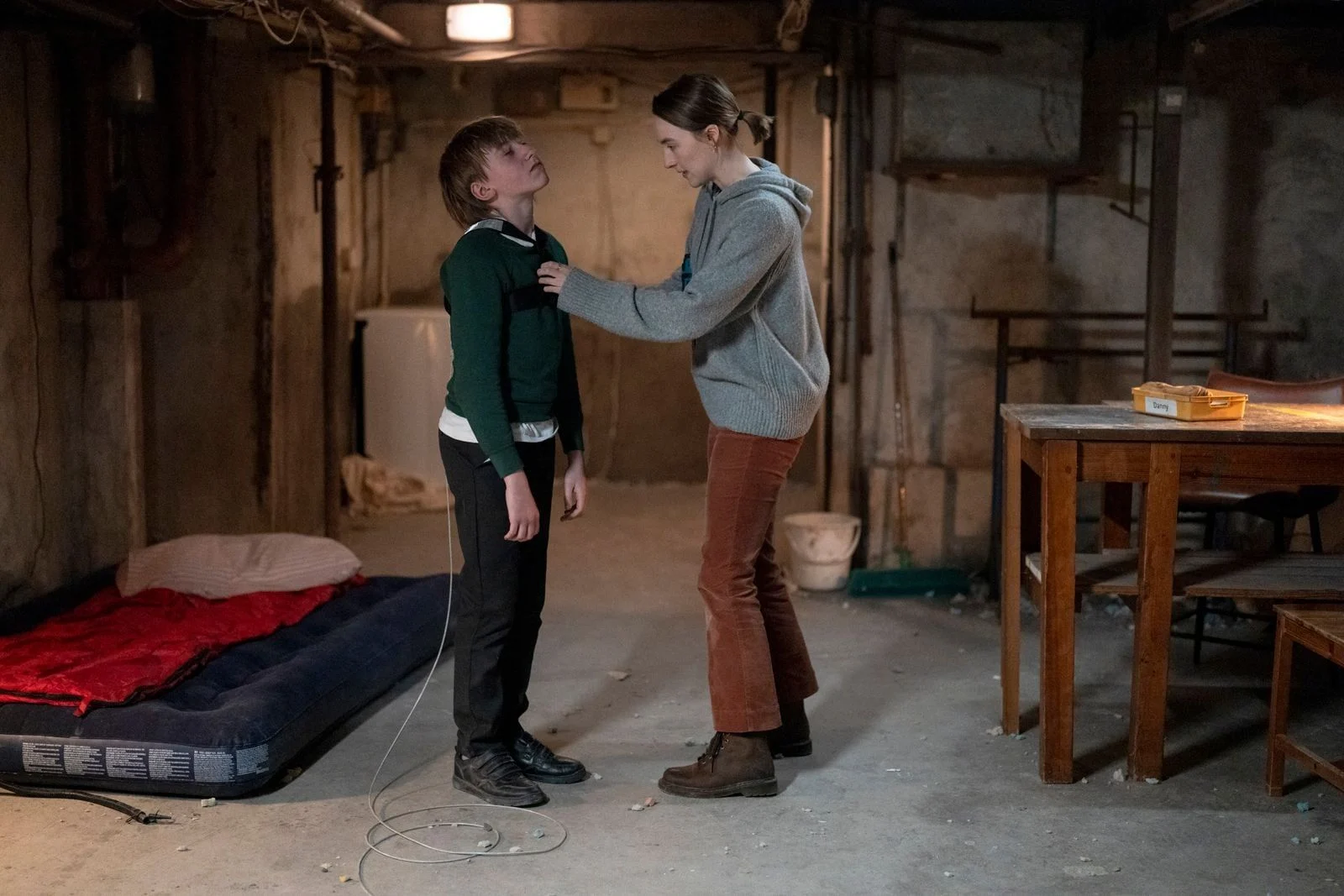
What begins as a story about classroom chaos gradually evolves into an increasingly absurd and unsettling examination of morality. When Maria accidentally knocks Danny unconscious, panic takes over, leading her to lock him in the basement of her home. The situation becomes even more disturbing when she discovers that her classroom begins to flourish in his absence, leaving her caught between doing what is right and preserving the success she has finally achieved. The film’s central premise is outrageous, but its effectiveness comes from the uncomfortable questions hiding beneath the absurdity. How much responsibility should one disruptive child bear for an entire classroom’s struggles? What happens when institutions become more concerned with results than the people they are supposed to protect? And how easily can a terrible decision become something people are willing to excuse when the outcome benefits them?
These questions give Bad Apples more substance than its provocative premise might initially suggest.
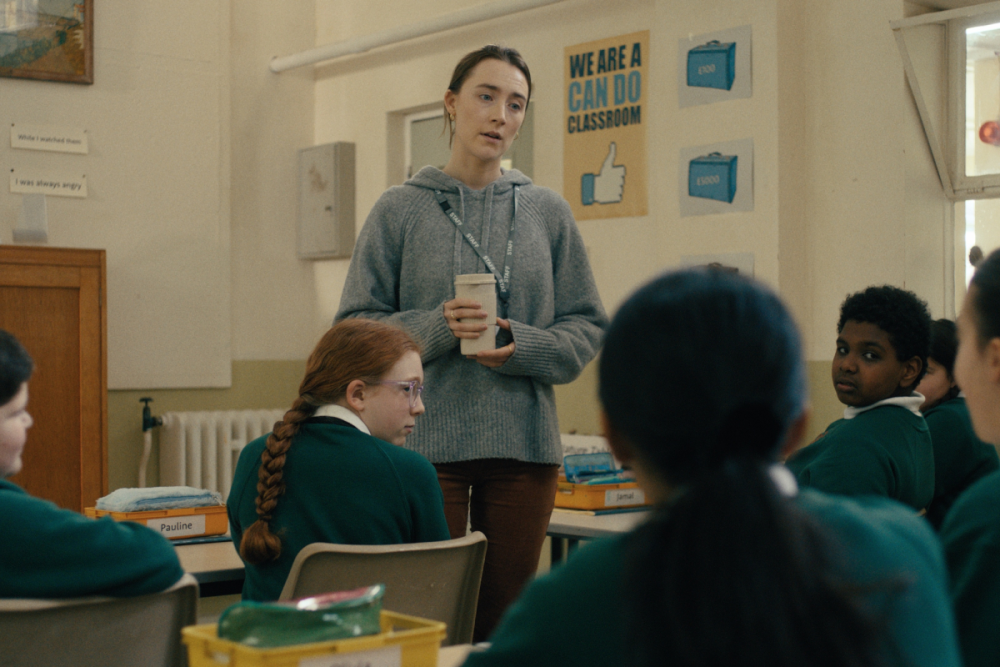
Ronan is the film’s greatest asset, delivering a compelling performance as a woman whose desperation gradually overtakes her better judgement. Maria is not presented as a straightforward villain or an entirely sympathetic victim. Instead, she is an increasingly complicated character whose actions become harder to defend even as the circumstances surrounding them become more ridiculous. Ronan captures that contradiction beautifully, balancing Maria’s anxious attempts to maintain control with the darker impulses emerging beneath her seemingly ordinary exterior.
Eddie Waller also makes an impression as Danny, whose disruptive behaviour is central to the film’s escalating conflict. The character is deliberately difficult to tolerate, but the story becomes more interesting when it moves beyond the simple idea of a troublesome child causing problems for everyone around him. Danny’s absence may bring temporary relief to the classroom, but it also exposes the disturbing extent to which adults are prepared to overlook wrongdoing when it suits their interests.
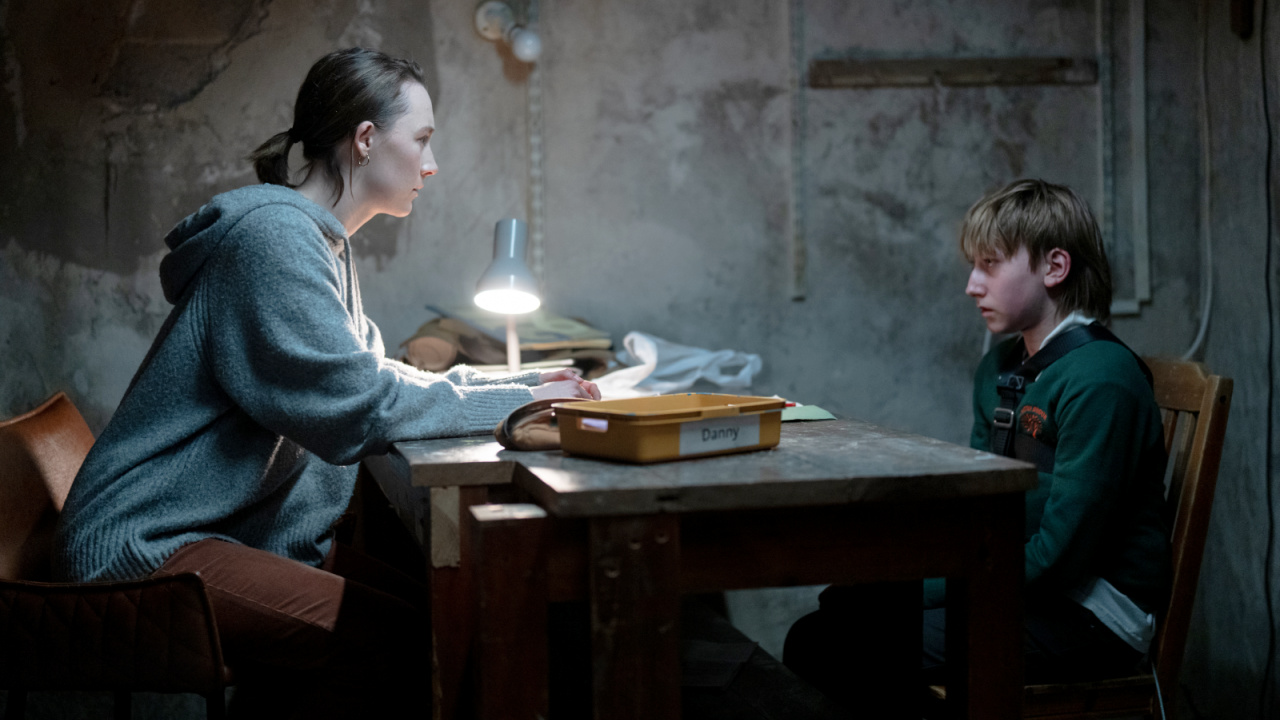
Bad Apples has a clear point to make about collective responsibility. Maria’s actions are indefensible, but the reactions of the adults around her reveal a broader and arguably more disturbing problem. When a missing child becomes an inconvenience to be managed rather than a vulnerable person who needs protection, the film exposes a community willing to compromise its principles for the sake of convenience.
That is where the title becomes particularly effective. The idea of a “bad apple” suggests that one troublesome individual can spoil an otherwise healthy group. But what happens when the people responsible for maintaining that group begin to accept increasingly rotten behaviour themselves?
Bad Apples is an entertaining, provocative and frequently uncomfortable watch, elevated by Ronan’s performance and a premise that invites plenty of discussion after the credits roll. It is the kind of film that leaves you questioning not only Maria’s choices but also the people and systems that allow those choices to go unchallenged.
Screening at this years British Film Festival.





Leave a Reply