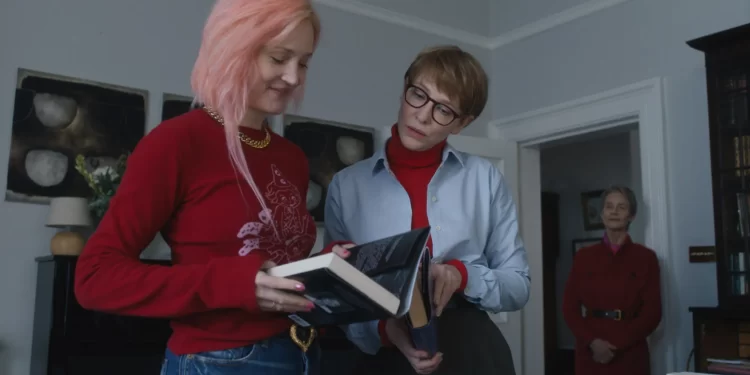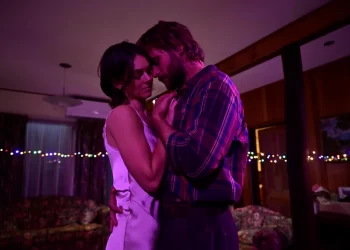














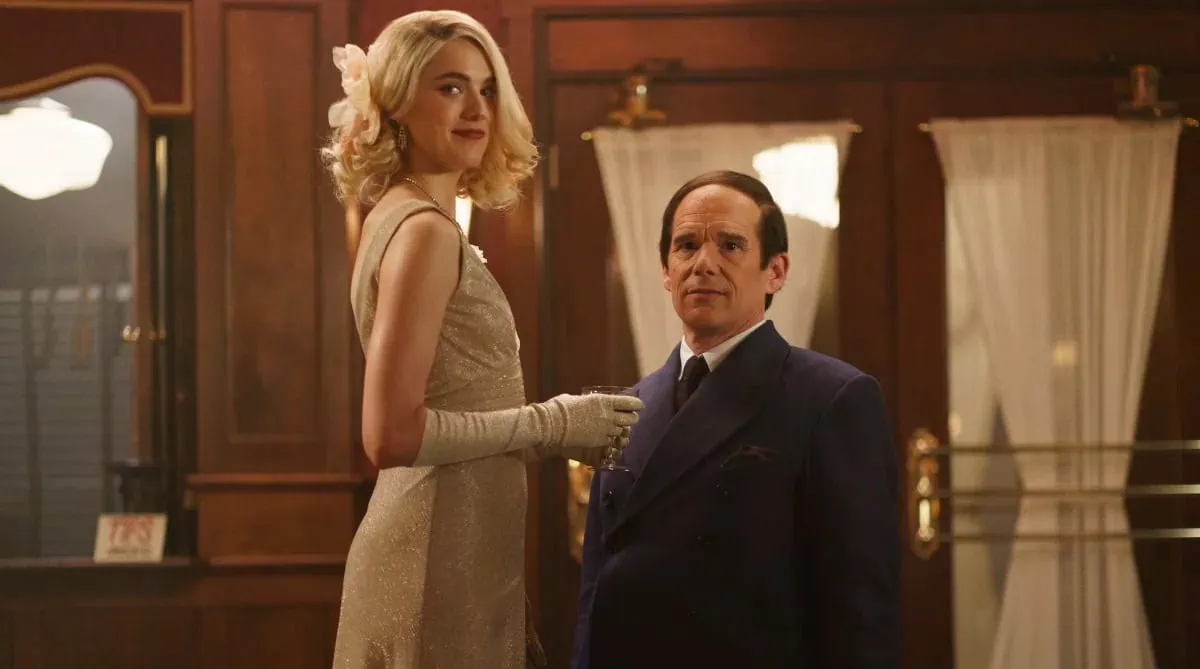
Blue Moon by Richard Linklater is a quiet but powerful film that mostly takes place inside a smoky bar called Sardi’s on the night of March 31, 1943. That night was special because it was the premiere of the musical Oklahoma!, which changed American musical theater forever. The movie focuses on Lorenz Hart, a talented but troubled lyricist. Ethan Hawke’s transformation into Lorenz Hart is nothing short of remarkable. Physically altered—hunched, balding, cigar perpetually in hand—he disappears into the role of the once-brilliant lyricist now watching his former partner Richard Rodgers soar to new heights without him. Hawke captures every shade of Hart’s bitterness, razor-sharp wit, and quiet, gnawing desperation with a performance that feels lived-in and painfully authentic. It’s the kind of work that deserves awards chatter, and it’s easily the strongest reason to see the film.
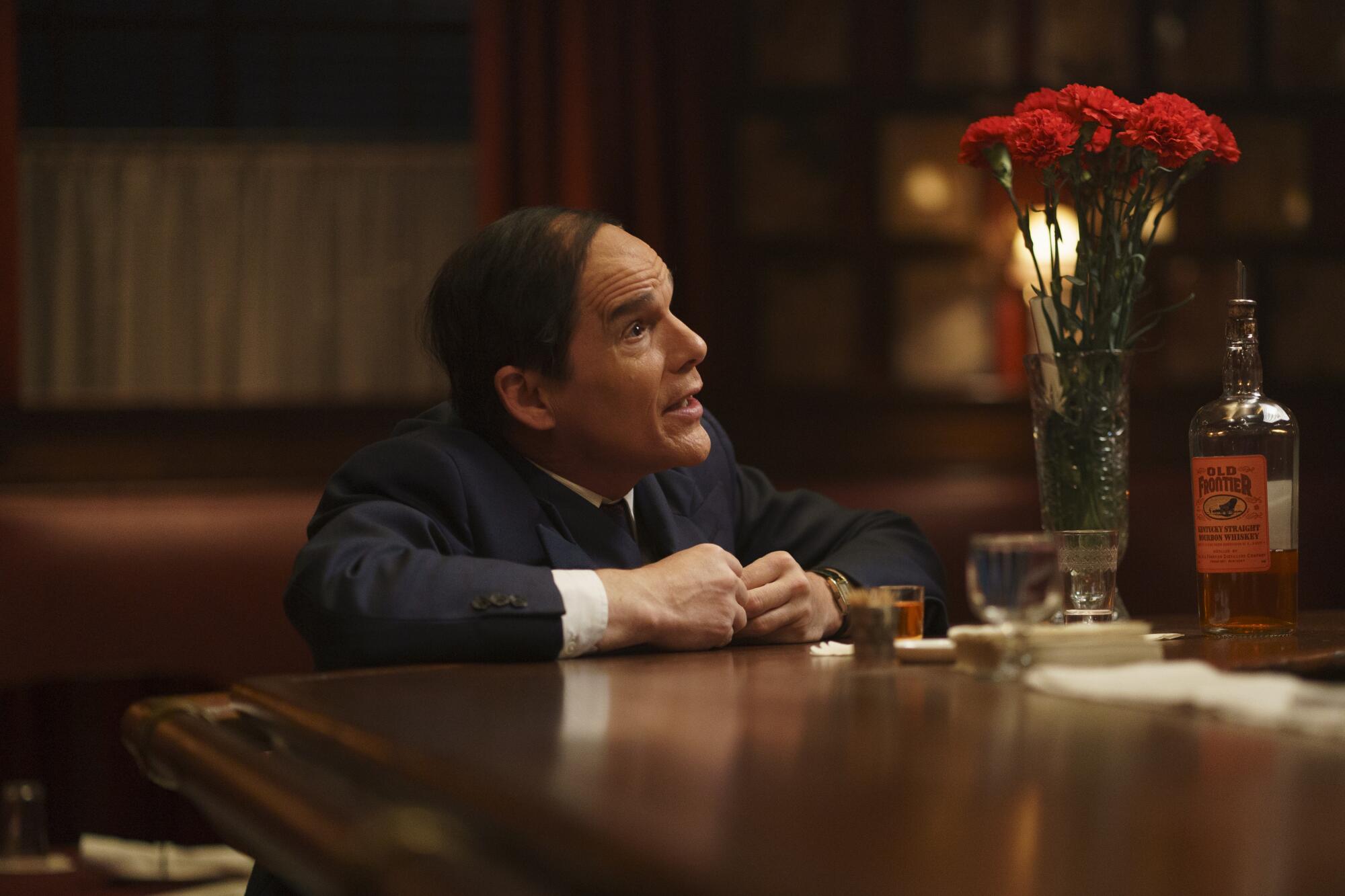
The supporting cast holds their own in this dialogue-driven space. Bobby Cannavale brings understated warmth as the long-suffering bartender, and the ensemble around the bar adds texture to the smoky, boozy atmosphere. The script is sharp, packed with clever lines and period-appropriate banter, but it leans so heavily on long, introspective monologues that momentum stalls for large stretches. The film feels more like a stage play than a typical movie.
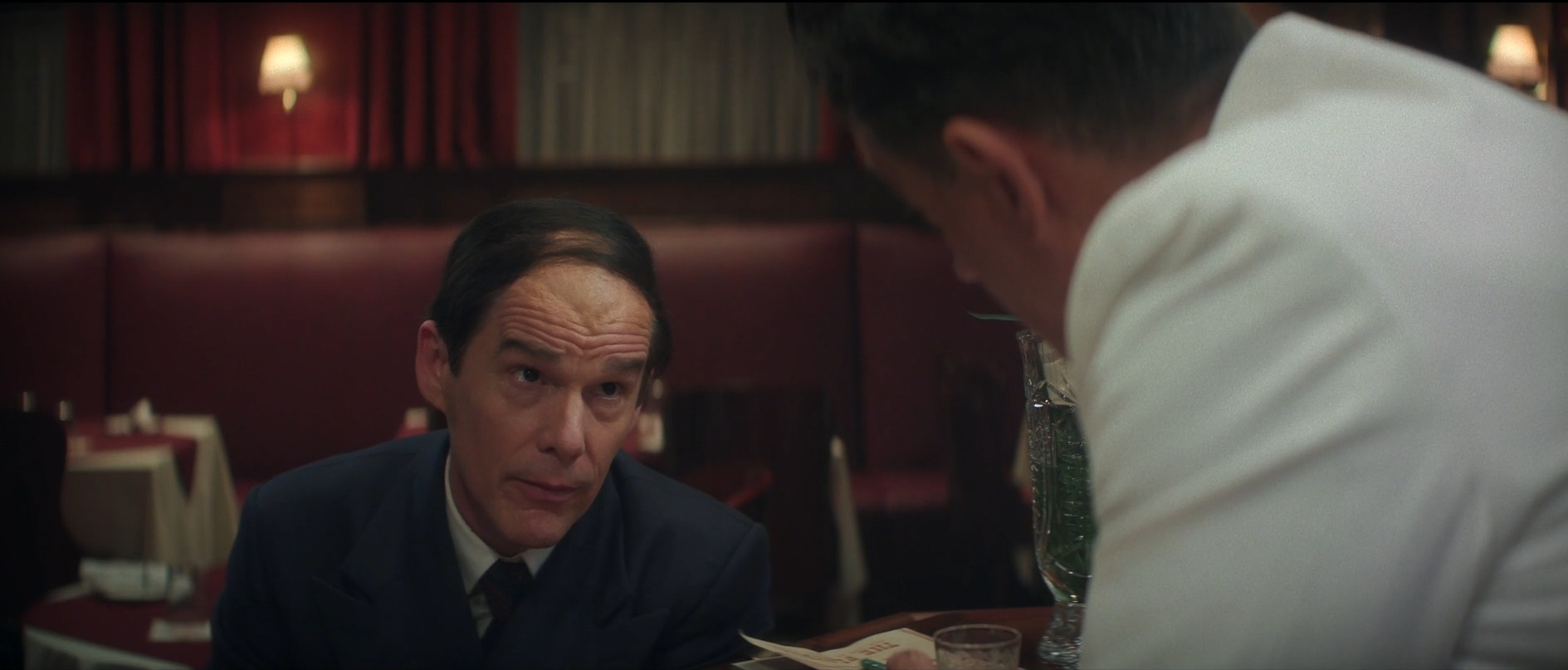
That stagey quality—real-time conversations, minimal movement, a single location—makes Blue Moon feel static in a way that tested my attention. The film’s refusal to leave the bar is both its signature and its limitation. And yet, the ending arrives like a quiet gift. After all the slow circling, the final scenes deliver a poignant, understated resolution that feels emotionally honest and surprisingly satisfying. It doesn’t erase the earlier drag, but it does make the patient viewer feel the slow build was worthwhile in retrospect.
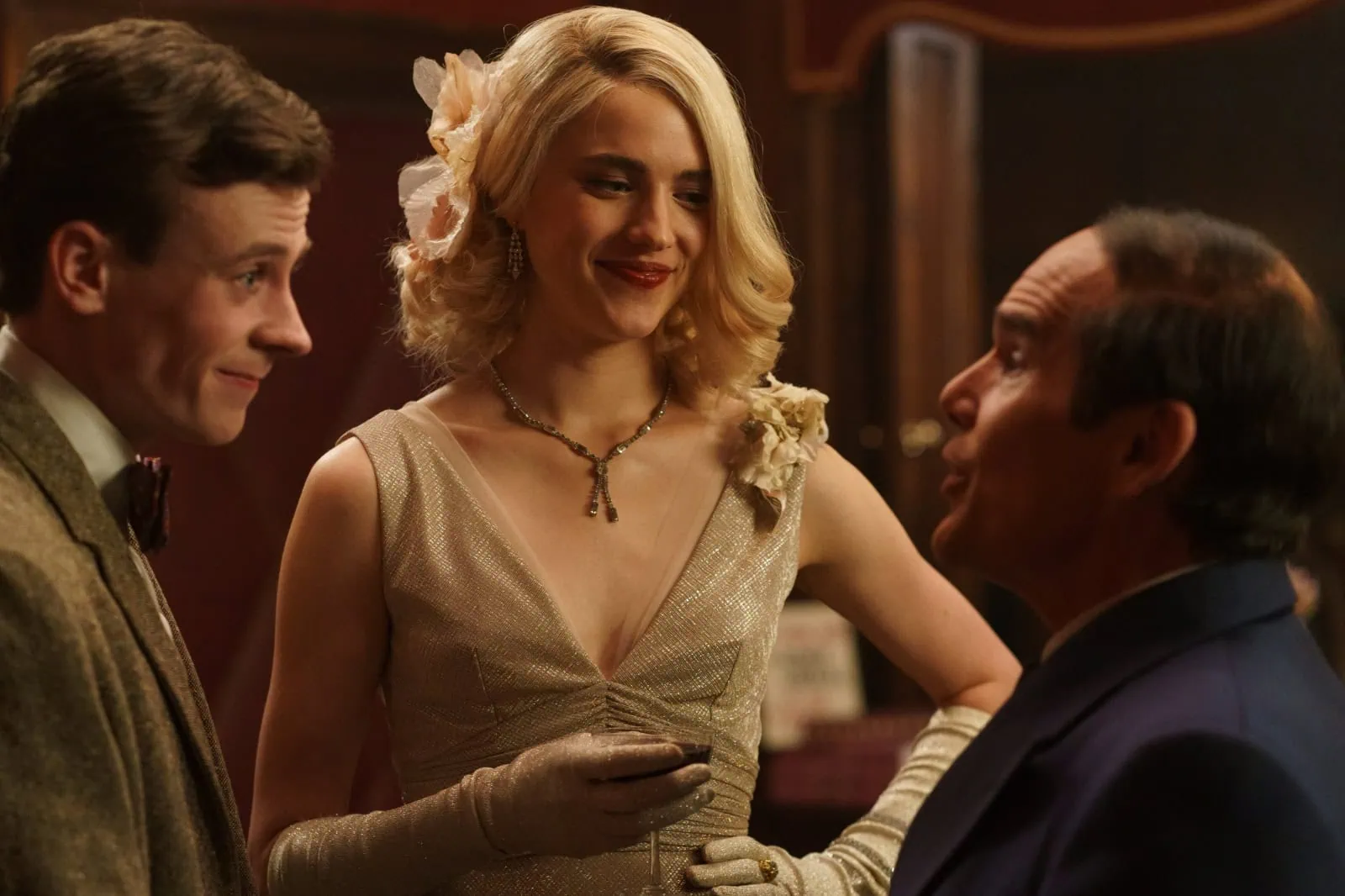
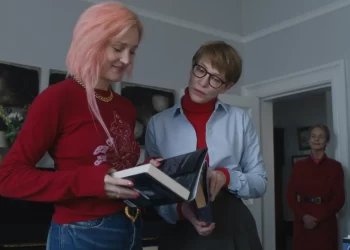
What makes the movie stand out is Margaret Qualley’s role as Elizabeth Weiland, Hart’s young protégé and secret crush. Qualley shines brightly—her warm, natural presence makes her irresistible on screen. She’s the perfect symbol of the ideal love Hart dreams about but can never have.
Blue Moon is a showcase for Hawke’s extraordinary talent and a thoughtful, melancholic portrait of artistic abandonment and personal loneliness. It’s well-crafted, beautifully acted, and clearly made with care—but for me, it never quite escaped the feeling of being a filmed play rather than a fully cinematic experience. Respectable, admirable even, but not one that fully engaged me as a whole.
+
Try & Buy Cocktail Tastings with Idle Hands Drinks Co.!
January 31 in the Luna Outdoor – Tickets HERE.
- Email: neill@outloudculture.com
- Socials: @frazer.live
- @neill.outloud