






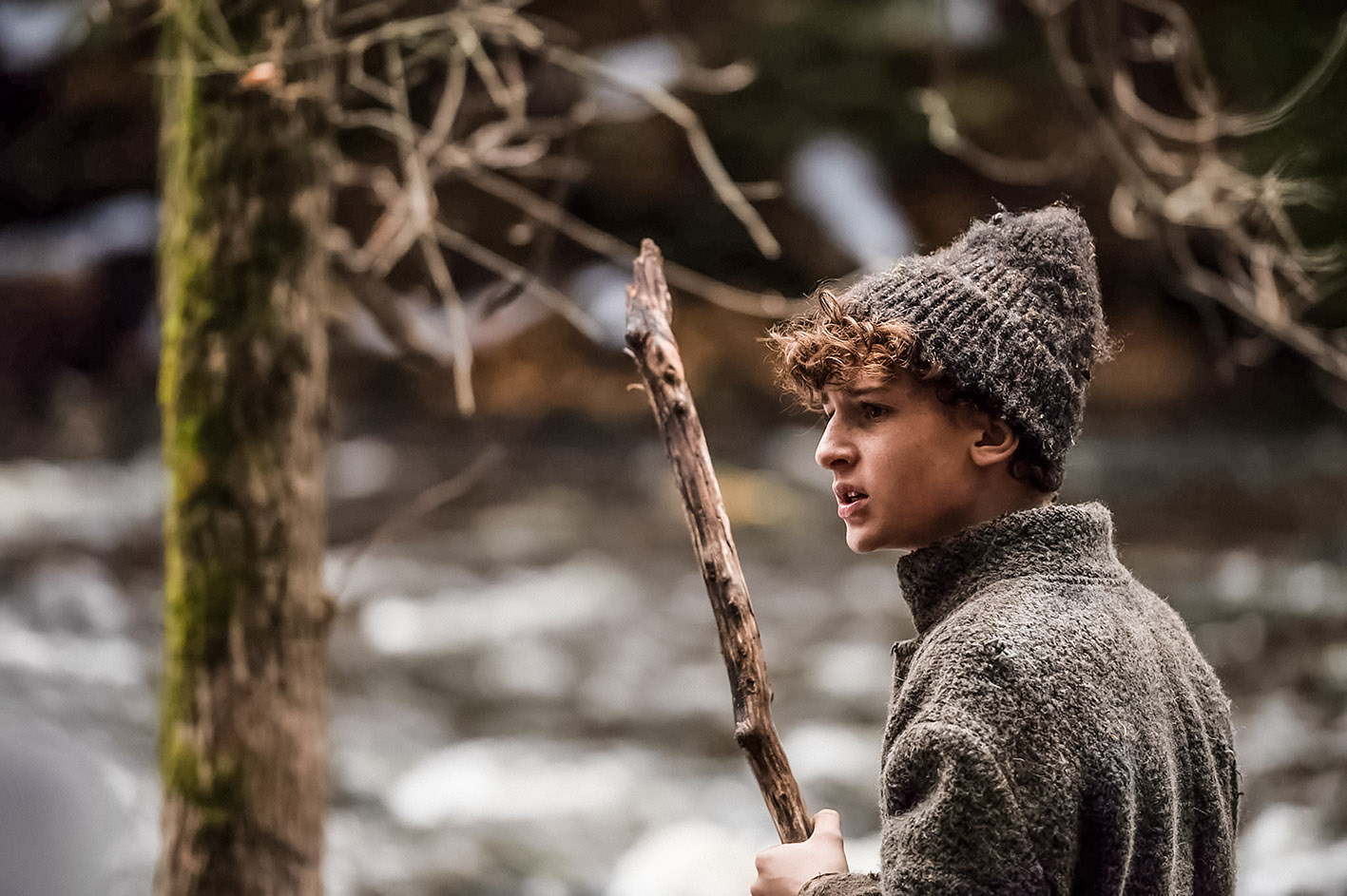
The Boy in the Woods is a quietly powerful drama that tell’s a story of sheer human resilience. Directed by Rebecca Snow and based on the compelling memoir of Holocaust survivor Maxwell Smart, the film follows 12-year-old Max, played by Jett Klyne, as he flees Nazi persecution and finds himself alone in the forests of Eastern Europe. What makes this story remarkable is not only the historical backdrop of war, but the intimate perspective through which it is told — that of a child struggling to survive physically and emotionally in a world turned against him.
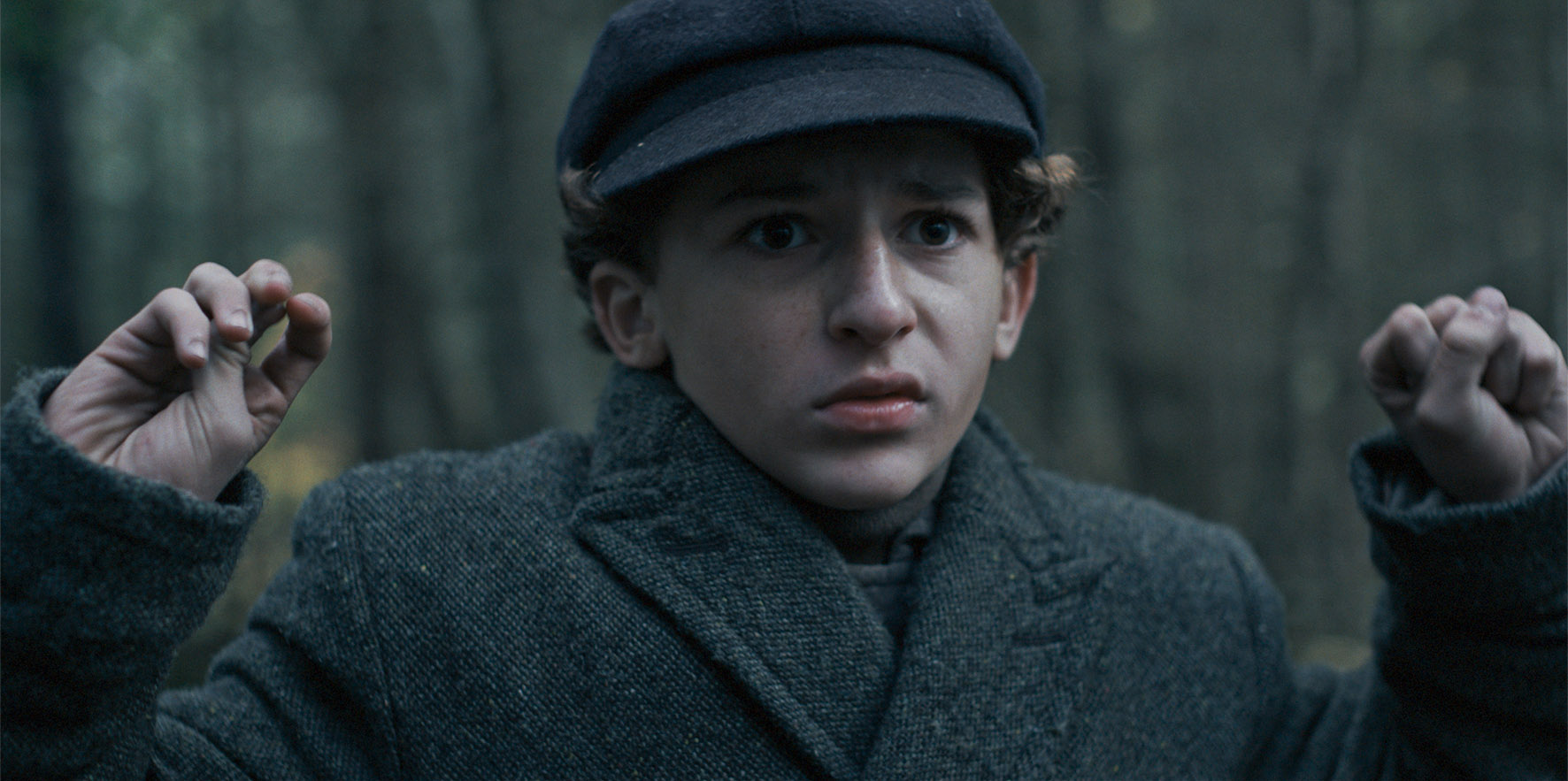
One of the film’s core strengths lies in its ability to balance brutality with tenderness. Rather than dwelling on graphic depictions of violence, The Boy in the Woods maintains a young protagonist’s point of view, letting fear and danger remain implied yet deeply felt. This approach allows Snow to craft a narrative that is harrowing without ever feeling exploitative — a testament to mature storytelling that respects both subject matter and audience.
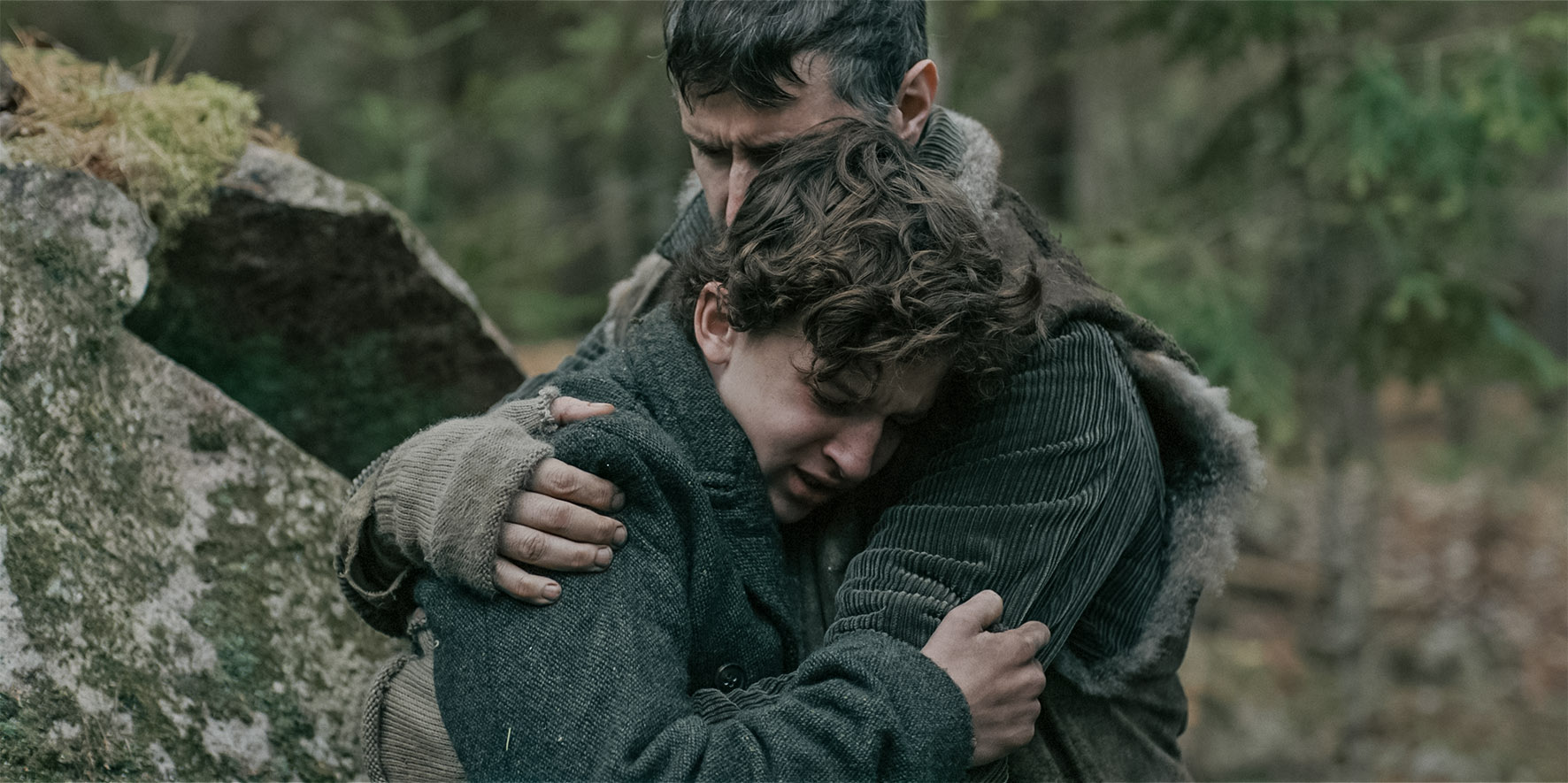
The narrative structure shifts from scenes of hiding with sympathetic adults to isolated wilderness survival, giving the film a dual identity: part historical drama, part survival adventure. In these sequences, the woods become more than a setting — they are a crucible that tests Max’s resourcefulness and grit. His interactions with Yanek, another child he meets in the forest, become among the story’s emotional pillars.
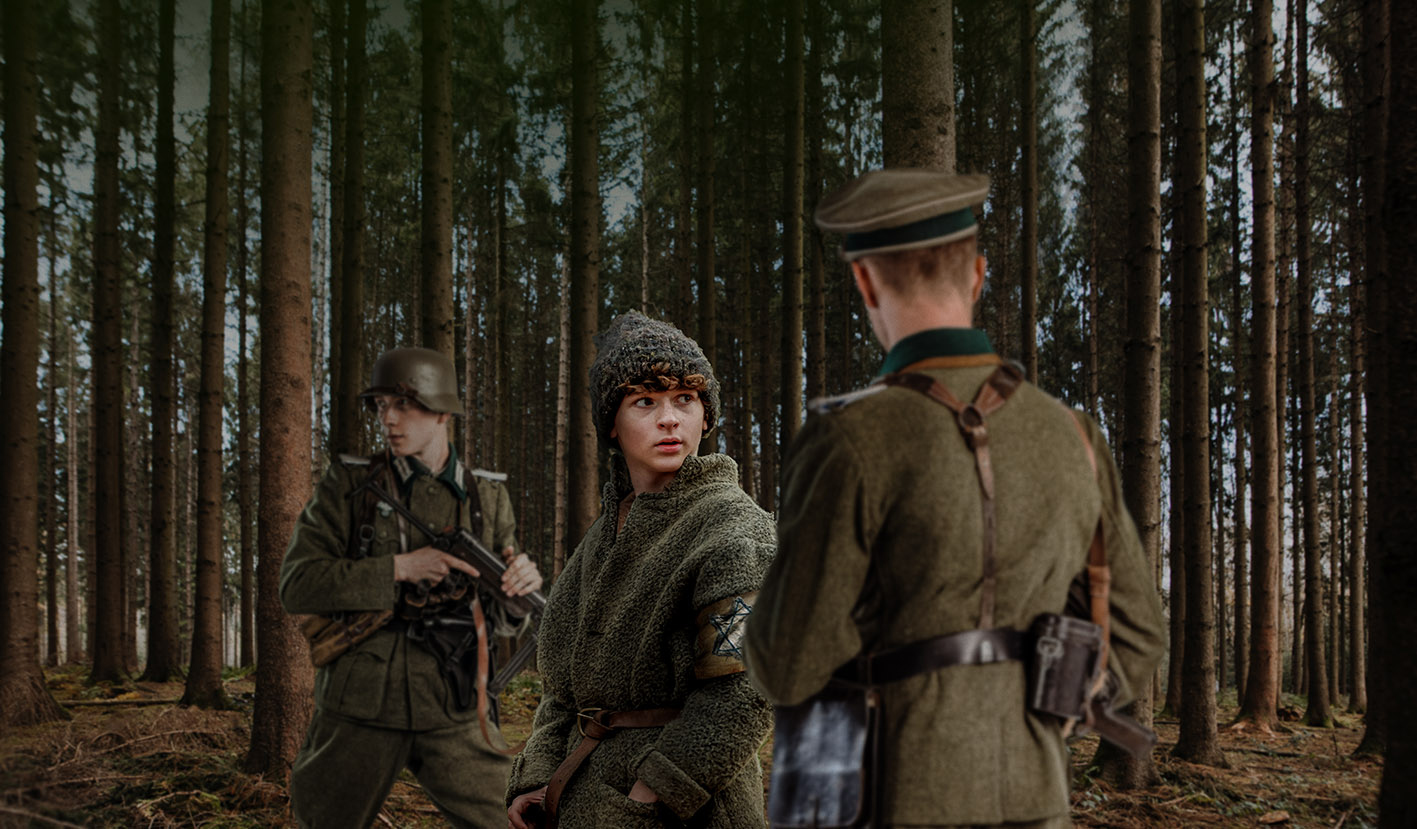
Jett Klyne’s performance anchors the film with remarkable steadiness. As Max, he portrays a boy forced to grow up overnight, shifting from confusion and fear to quiet determination. It’s a performance that carries the narrative’s emotional weight, bringing life to moments that could otherwise feel predictably earnest. Supporting roles — especially Richard Armitage as Jasko, the man who teaches Max to survive — provide necessary grounding and humanity in the film’s early acts.
While many reviewers have praised the film for its emotional honesty, some criticism has centered on elements of the screenplay that feel familiar or slightly safe given the intensity of the story’s historical context. This I would have to agree with, as certain narrative beats and character arcs don’t stray far from survival-drama conventions, and there are moments where the pacing may seem to meander rather than escalate. Yet these moments also allow space for reflection, a quality many viewers find integral to the film’s impact.
The Boy in the Woods stands as a moving tribute to those who endured the unthinkable and to the quiet courage of childhood under siege. It may be understated in form, but its emotional resonance is anything but — a film that invites reflection, empathy, and remembrance.
- Email: neill@outloudculture.com
- Socials: @frazer.live
- @neill.outloud