

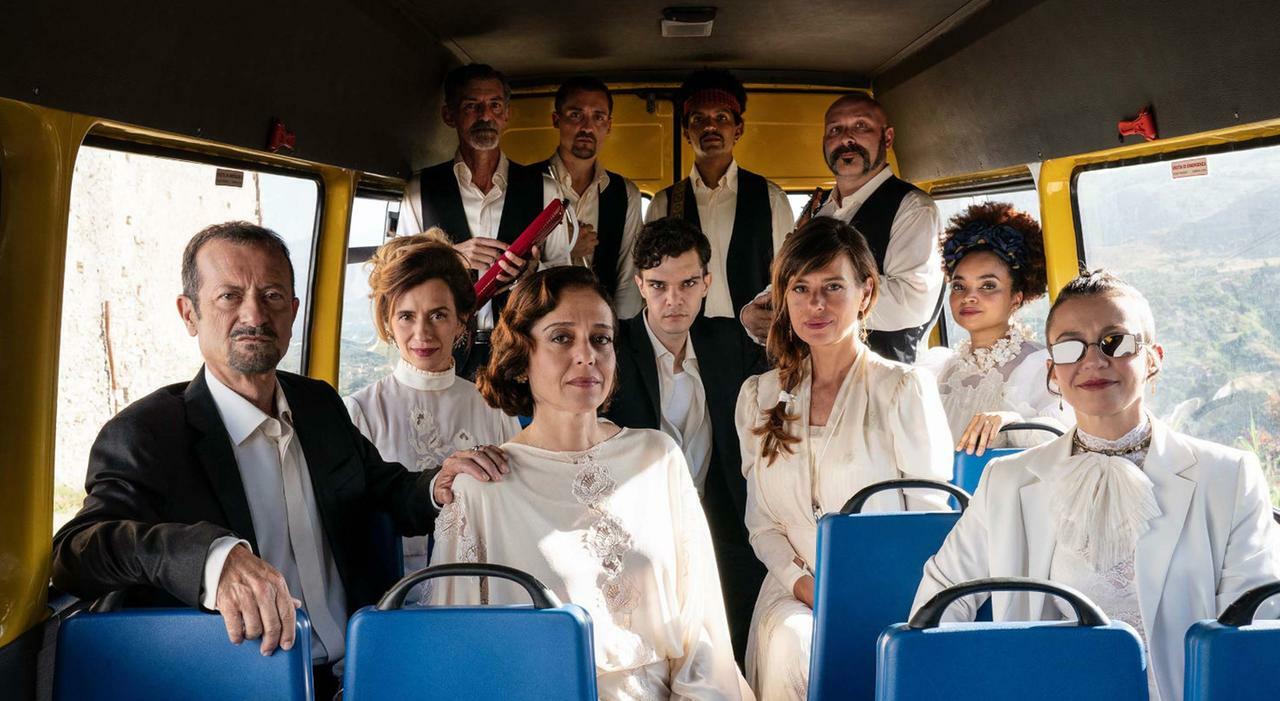
Italian filmmaker and actor Rocco Papaleo returns behind the camera with The Greater Good (Il Bene Comune), a heartfelt and occasionally unconventional film about redemption, human connection and the importance of finding your place in the world. Set against the breathtaking landscapes of Italy’s Pollino National Park, this character-driven story takes audiences on a journey that is as much about personal discovery as it is about reaching a physical destination.
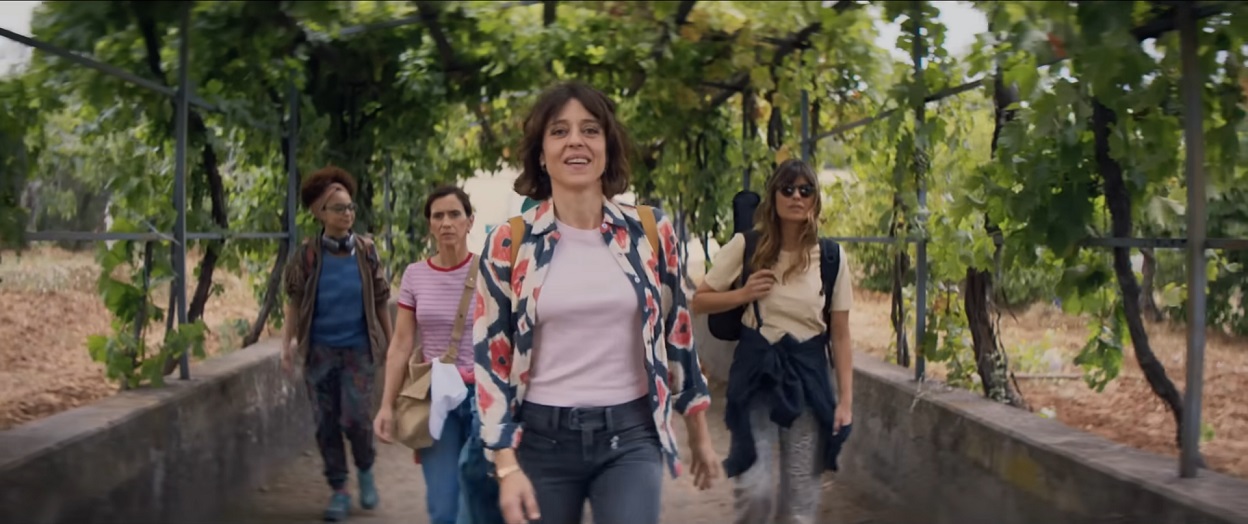
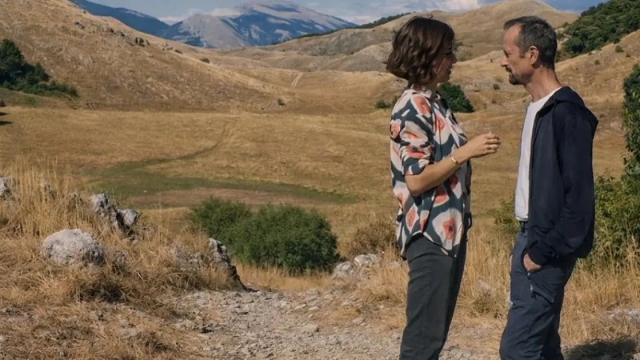
At the centre of the film is Biagio (Rocco Papaleo), a former military officer who has reinvented himself as a tour guide. When he is asked to lead a group of female prisoners on an excursion through the mountains, he finds himself responsible for a collection of individuals whose complicated pasts have left them struggling to find their way forward. Accompanied by Raffaella (Vanessa Scalera), an actress searching for purpose in her own life, the group sets out on a journey to see an ancient Bosnian pine, a tree that becomes a powerful symbol of resilience and survival.
What initially appears to be a relatively straightforward hiking expedition gradually develops into something much more personal. As the women share their experiences, confront their pasts and navigate the challenges of their journey, the film explores the complicated nature of forgiveness, freedom and the possibility of starting over.
One of the film’s greatest strengths is its ensemble cast. Claudia Pandolfi, Teresa Saponangelo and Vanessa Scalera bring considerable depth to their respective characters, ensuring that the women at the centre of the story feel like individuals rather than simply vehicles for the film’s broader message. Each has her own emotional baggage, and their interactions provide some of the film’s most engaging moments.
Papaleo is equally effective in front of the camera, bringing a relaxed charm and understated humour to Biagio. His character serves as an unlikely guide, not only through the mountains but also through the emotional struggles of those accompanying him.
However, it is the film’s willingness to embrace its unusual storytelling approach that makes it particularly interesting. Rather than relying exclusively on conventional dramatic scenes, Papaleo incorporates musical interludes, theatrical elements and moments of surrealism. These creative choices give The Greater Good a distinctive personality, although the frequent shifts in tone may not appeal to everyone.
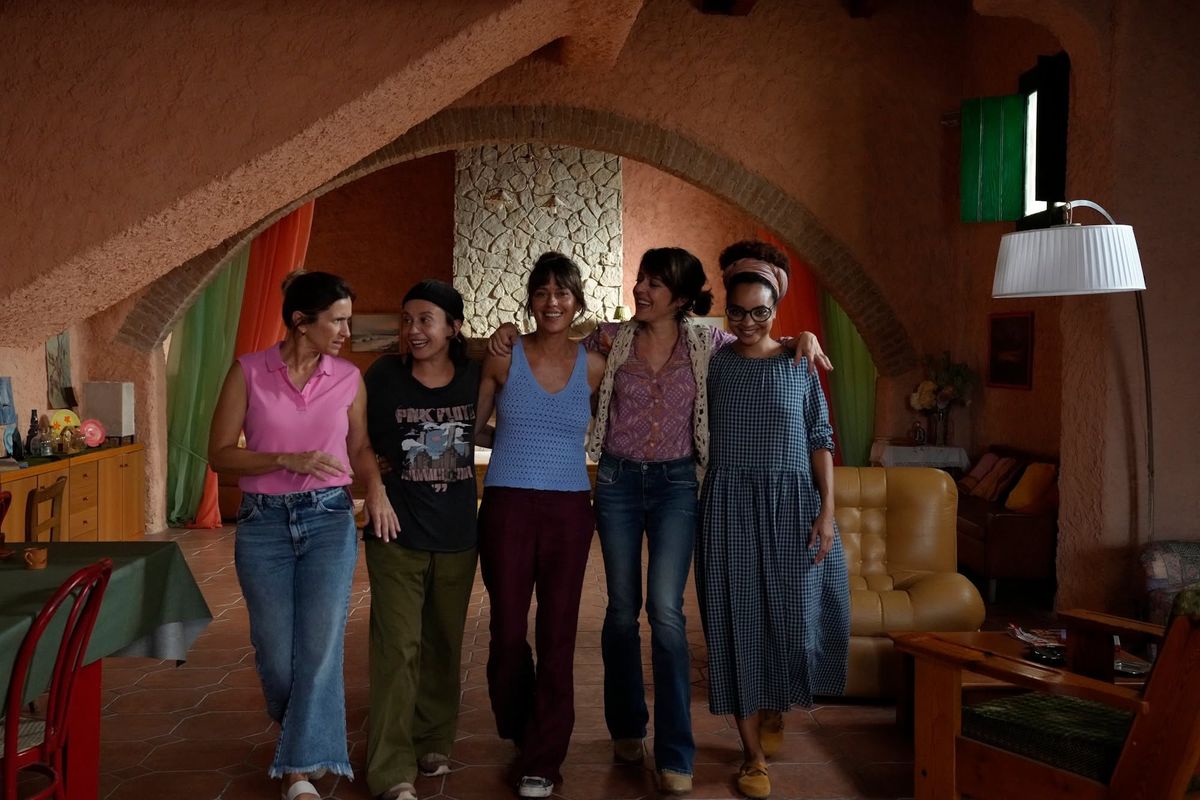
At its heart, The Greater Good is a film about empathy. It challenges the tendency to define people by their mistakes and instead encourages audiences to look beyond first impressions. The women are not presented as perfect individuals, nor does the film attempt to excuse their actions. Instead, it explores the circumstances, experiences and emotional wounds that have shaped their lives.
While the film occasionally struggles to maintain a consistent rhythm, particularly when moving between its dramatic and more whimsical elements, its sincerity is difficult to deny. Some of its emotional revelations feel a little too carefully arranged, and certain moments could have benefited from a more restrained approach. Nevertheless, the performances and the film’s central message give it a warmth that remains engaging throughout.
The Greater Good is an imperfect but touching exploration of the human condition. Its combination of humour, music, drama and beautiful scenery creates a distinctive cinematic experience, even if its ambitious approach occasionally comes at the expense of narrative consistency. It’s a film that reminds us that personal growth rarely happens in isolation and that sometimes the most meaningful journeys are the ones we take alongside others.
Screening as part of the St. ALi Italian Film Festival.

- Email: neill@outloudculture.com
- Socials: @neill.frazer
- @neill.outloud




Leave a Reply