















featuring @kathsharppr @sonypicturesaus @perthnow @varietyanz @7newsperth @9newsperth @10perth @abcnews_au @lunapalacecinemas
There are some movies that arrive at exactly the right moment in your life. For me, Aaron Sorkin’s The Social Reckoning is one of them.
As someone who works in digital media and relies on social platforms to connect with an audience, the film’s exploration of Facebook, corporate responsibility and the enormous power these platforms have over ordinary people feels particularly relevant. But watching it just as I was dealing with my own Instagram account being banned by Meta made the experience feel almost uncomfortably personal.
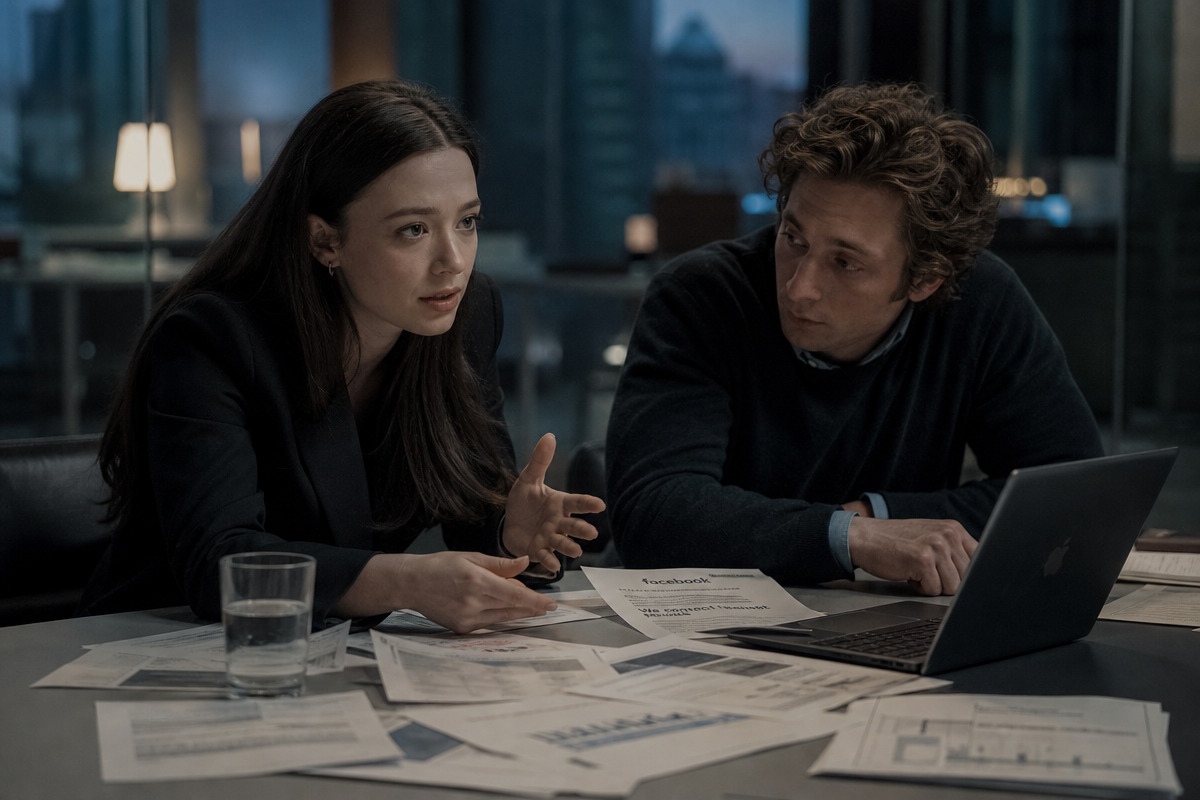
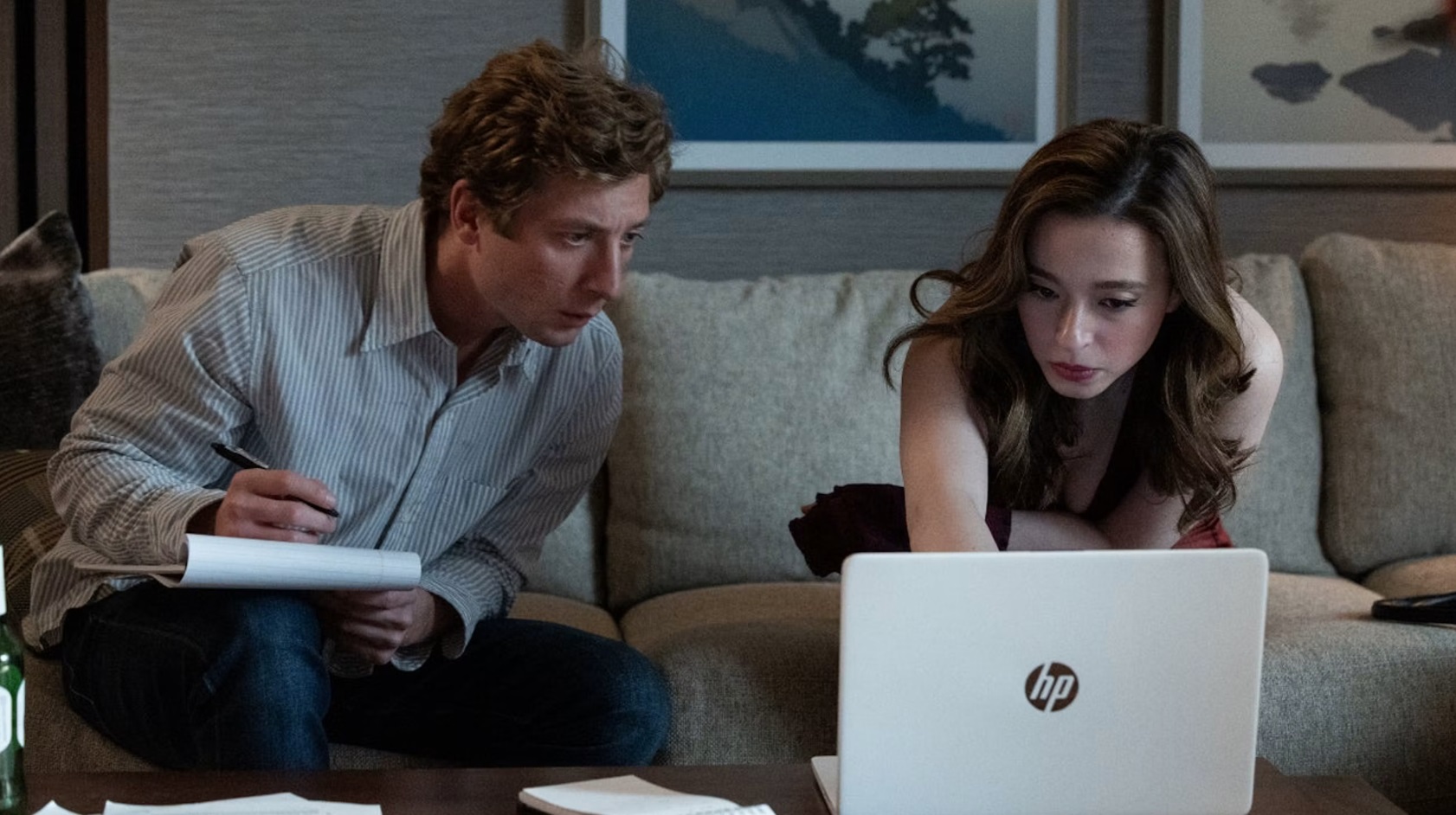
The Social Reckoning is a companion piece to The Social Network, but rather than returning to the origins of Facebook, Sorkin turns his attention to the consequences of the company’s enormous growth. Inspired by the revelations of Facebook whistleblower Frances Haugen, the film follows Haugen as she works with Wall Street Journal reporter Jeff Horwitz to expose what she believes are some of the platform’s most closely guarded secrets. It is very much a David-and-Goliath story, but Sorkin is less interested in presenting a conventional corporate thriller than he is in asking a much bigger question: what happens when a company becomes so powerful that its decisions can affect millions of people, yet the people affected by those decisions have little meaningful way of challenging them?
That question hit me particularly hard.
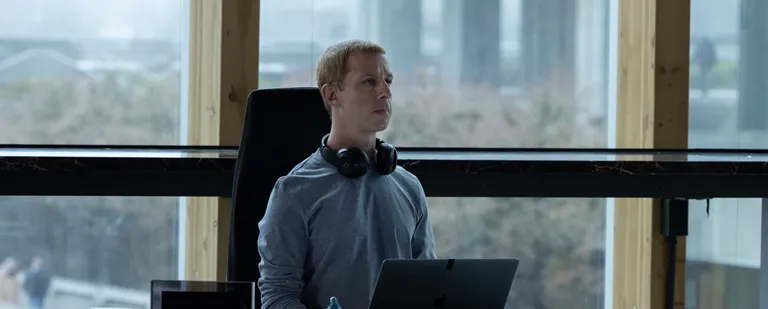
On the very morning I watched the film, my Instagram account was banned. Trying to resolve the situation through Meta’s AI help system became something of a digital wild goose chase, sending me from one automated process to another, only to eventually find myself back where I started.
I decided to pay for Meta Verified because I wanted to speak to an actual human being. I was eventually connected with a support team based overseas, but was told they had no ability to resolve the issue. I asked to speak to a supervisor and was told that the answer would still be the same. I asked what evidence existed against me and was told that the person assisting me did not have access to that information. I was then told that a supervisor would contact me by email. The call ended.
I am still waiting for that email.
That experience made The Social Reckoning considerably more uncomfortable to watch. The film is dealing with much larger and more serious issues than an individual Instagram account being disabled, but the underlying question is remarkably similar: who holds powerful technology companies accountable when something goes wrong?
My Facebook account, interestingly, was left untouched, despite the fact that the same story I shared on Instagram was also shared on Facebook. That inconsistency only added to my frustration and highlighted how confusing these systems can feel from the user’s side. One of the film’s most effective ideas is that social media isn’t simply a collection of websites and apps. These platforms have become part of the infrastructure of modern life. They influence how we communicate, consume information, build businesses, promote creative work and, increasingly, how we understand the world around us.
That power comes with enormous responsibility.
And this is where The Social Reckoning becomes more than a film about Facebook. It becomes a film about the relationship between corporations and the people who use their products. The film also made me think about the strange relationship between users and paid verification. From my own experience, paying for verification was supposed to provide access to a higher level of assistance. Instead, even after paying specifically so I could speak to a human being, I was ultimately left without a resolution.
That disconnect is difficult to ignore.
I wouldn’t claim that paying for verification automatically means someone is protected from enforcement, nor can I know the reasoning behind Meta’s individual decisions. But the experience left me questioning whether the enormous commercial relationship between platforms and their users has become more important than the human relationship those platforms originally promised to create.
That is arguably the great irony of social media. We were promised connection.
Instead, sometimes we find ourselves trying to communicate with an automated system that cannot explain why something happened, cannot provide the evidence behind a decision and cannot tell us who can actually fix it.
In that sense, The Social Reckoning feels remarkably prescient.
Sorkin’s screenplay naturally comes with his trademark rapid-fire dialogue, intellectual sparring and characters who seem capable of debating complex issues at extraordinary speed. It can occasionally feel like you’re watching a courtroom argument rather than a traditional drama, but that style works surprisingly well for a story built around information, journalism and competing arguments over responsibility.
Mikey Madison is the film’s beating heart.
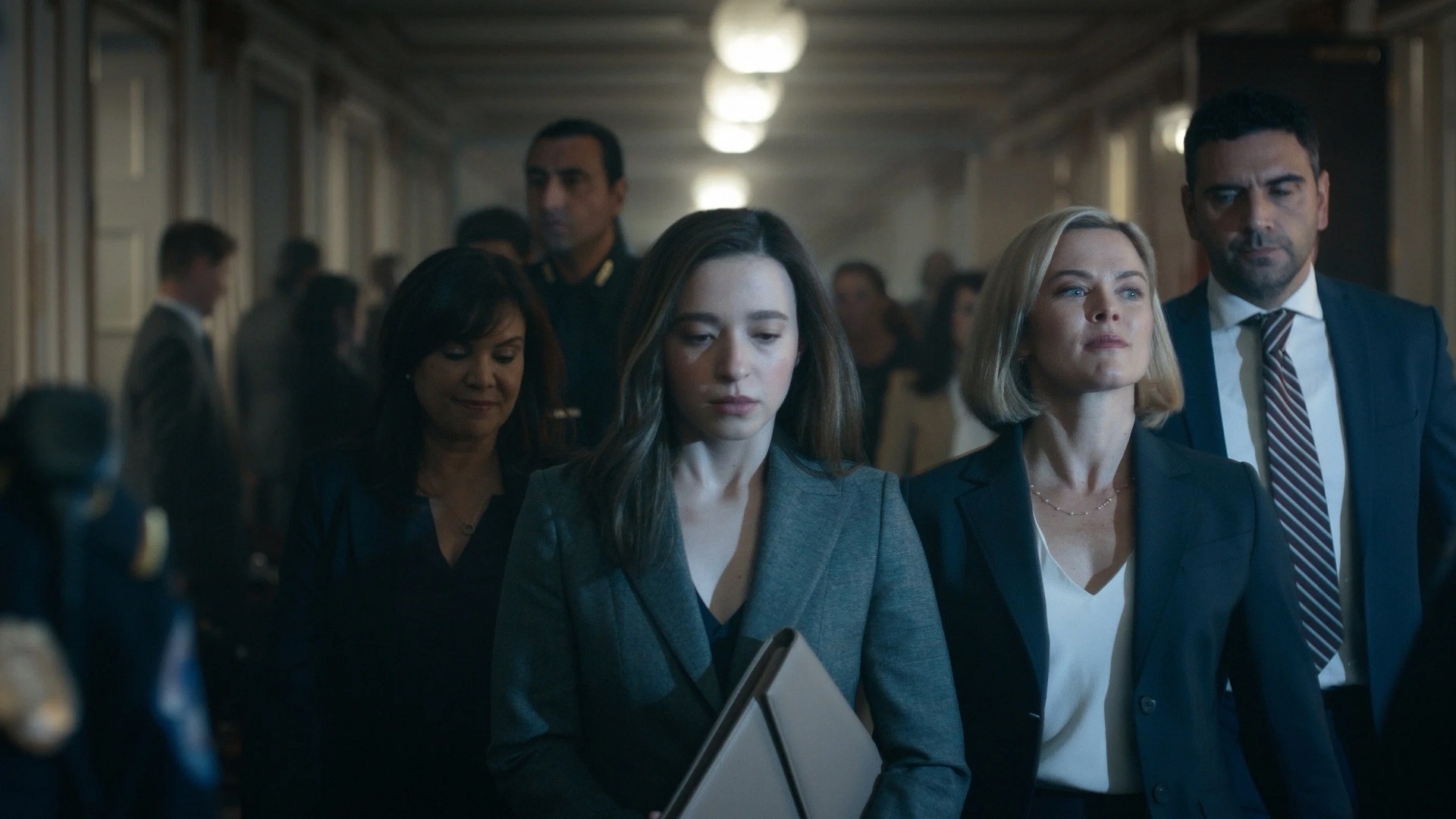
Once again, she commands the screen. There is something incredibly magnetic about Madison’s presence, but what makes her performance here particularly impressive is the restraint. As Frances Haugen, she isn’t playing a conventional Hollywood hero. She gives the character an intelligence and vulnerability that makes her feel like a real person suddenly caught in circumstances much larger than herself.
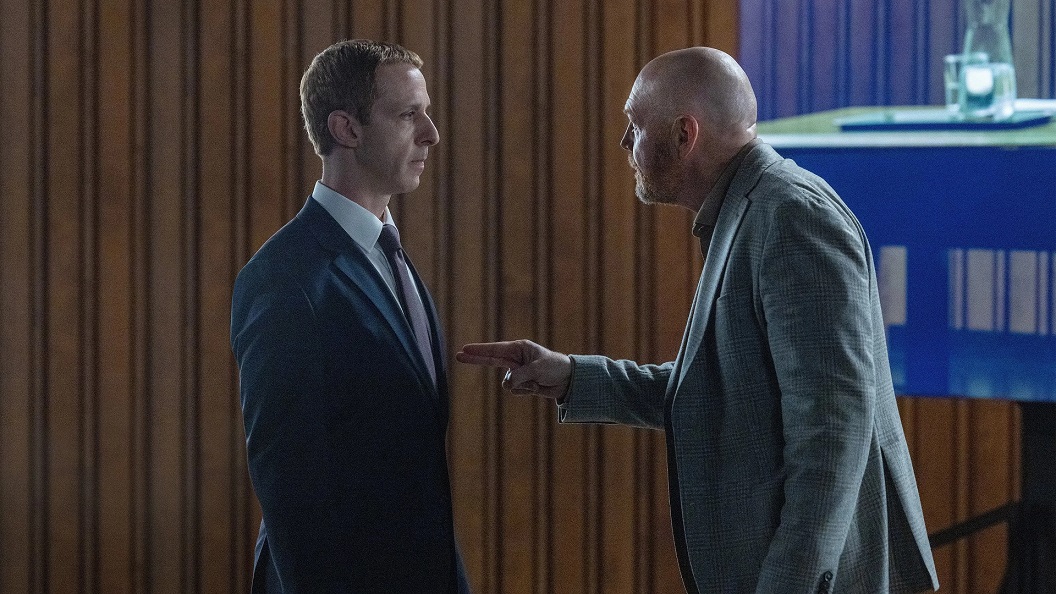
Following her Oscar-winning performance in Anora, Madison demonstrates once again just how versatile she is. She doesn’t need to dominate every scene to control it. Her ability to quietly hold the audience’s attention is becoming one of her greatest strengths. Jeremy Allen White is also excellent as Horwitz, providing a grounded counterbalance to Madison’s Haugen, while Jeremy Strong takes on the formidable challenge of portraying Mark Zuckerberg as a man at the centre of an institution that has become vastly larger than any one individual.
But it is Madison who stays with you.
What I appreciated most about The Social Reckoning is that it doesn’t simply ask whether social media is good or bad. The reality is much more complicated. These platforms have connected people across the world, created communities, launched careers and given ordinary people a voice. At the same time, their enormous influence creates serious questions about responsibility, transparency and the consequences of decisions made behind corporate doors.
For me, the film ultimately became less about Facebook and more about power.
What happens when an ordinary person finds themselves on the wrong side of a decision made by an enormous technology company?
Who do you speak to?
Who explains what happened?
Who provides the evidence?
And, perhaps most importantly, who listens?
Those questions are at the centre of The Social Reckoning, and watching the film while experiencing my own frustrating encounter with Meta made them impossible to dismiss. There is something almost absurd about watching a film about a whistleblower fighting to expose the inner workings of a social media giant while simultaneously trying to get through Meta’s own maze of automated assistance.
Maybe that’s the ultimate reckoning.
Social media was built to make communication easier. Yet somewhere along the way, some of the world’s biggest communication platforms became incredibly difficult places to actually communicate with.
The Social Reckoning is an intelligent, timely and important film that understands the stakes of that contradiction. It doesn’t have all the answers, and perhaps no movie could. But it asks the right questions — and in an era where so much of our lives exist online, those questions matter.
And for anyone who has ever had an account suspended, content removed, a decision made by an algorithm or struggled to find a real person willing to listen, the film may hit considerably closer to home than expected.
*You can follow me on a newly created Instagram account @neillfrazer23 but how long will it last…
Email: neill@outloudculture.com