


In the shimmering haze of the French Riviera, Bonjour Tristesse, directed by Durga Chew-Bose, attempts to reimagine Françoise Sagan’s iconic novel and Otto Preminger’s 1958 film with a modern lens. The story follows Cécile (Lily McInerny), a carefree young woman basking in the indolent luxury of a summer villa alongside her widowed father, Raymond (Claes Bang), and his breezy lover, Elsa (Nathalie Richard). Their idyllic bubble is pierced by the arrival of Anne (Chloë Sevigny), a poised and enigmatic figure whose presence unravels the delicate balance of their world.

From its opening frames, Bonjour Tristesse casts a seductive spell. Cinematographer Gregory Oke bathes the screen in golden hues, capturing the beauty of the south of France with an almost tactile quality. The villa, with its sun-dappled terraces and shimmering pool, feels like a character in itself. Yet, this visual splendor sometimes overshadows the story, as the film prioritizes mood over momentum.
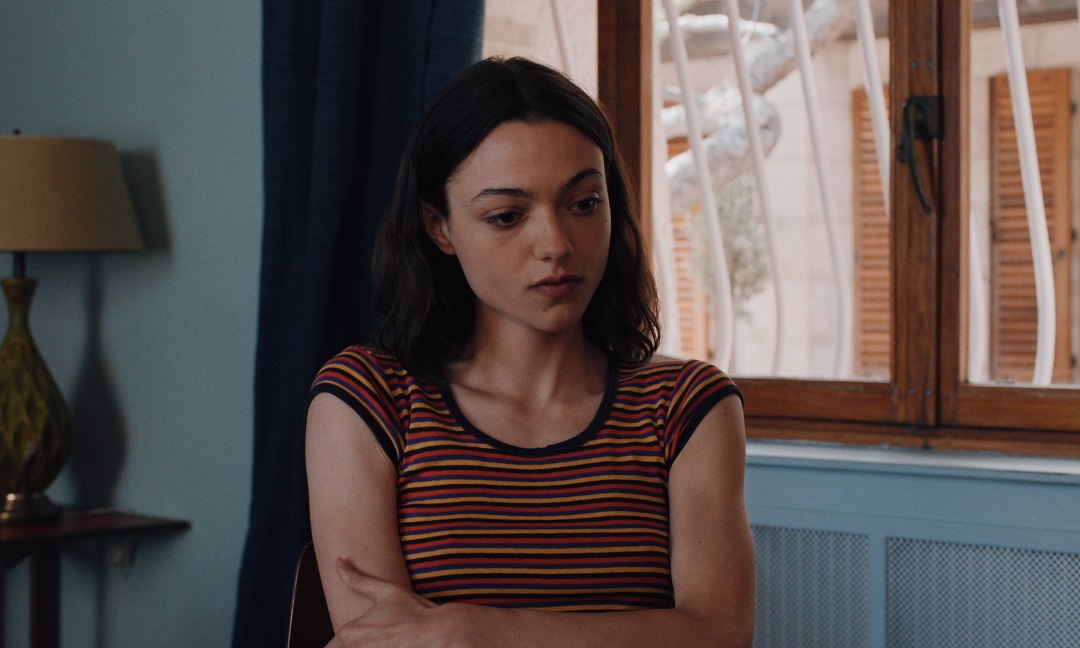
Lily McInerny’s portrayal of Cécile is the film’s beating heart. She imburses the character with a mix of youthful naiveté and burgeoning self-awareness, navigating the blurred lines between innocence and manipulation with finesse. McInerny’s expressive eyes and subtle physicality convey Cécile’s inner turmoil as she grapples with Anne’s intrusion into her father’s affections and her own place in their unconventional family.
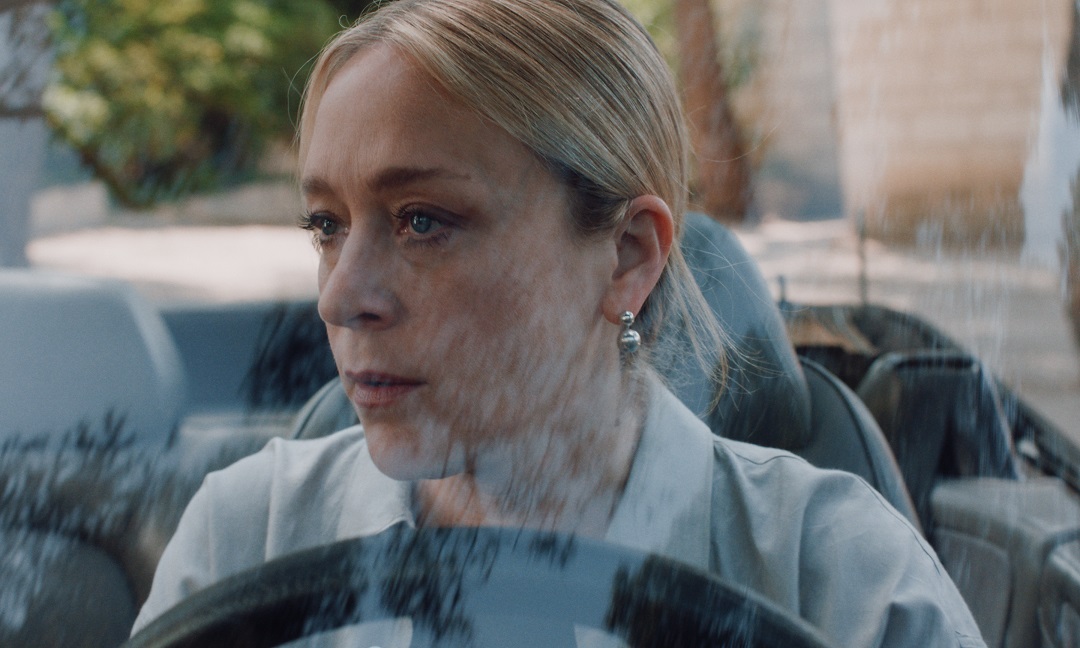
Chloë Sevigny, as Anne, brings her signature intensity to the role. Anne’s arrival disrupts the villa’s carefree rhythm, her sophistication clashing with the impulsive energy of Cécile and Raymond. Sevigny excels in moments of quiet restraint, her steely gaze hinting at depths of emotion beneath her polished exterior. However, the script doesn’t fully explore Anne’s motivations, leaving her character feeling more like a catalyst for conflict than a fully realized figure.
Compared to Preminger’s 1958 adaptation, which balanced its melodrama with sharp social commentary, this version feels less incisive. Chew-Bose’s take, while visually stunning, leans too heavily on aesthetics, sacrificing the biting wit and existential unease that made Sagan’s novel a classic.
Despite its flaws, Bonjour Tristesse is not without merit. The chemistry between McInerny and Sevigny crackles with tension, and the film’s final act, though uneven, delivers moments of raw emotional power. For fans of the novel or the original film, this adaptation may feel like a sunlit mirage, yet, for those willing to surrender to its dreamy ambiance, it offers enough fleeting pleasures to warrant a watch.

Email:neill@outloudculture.com





Leave a Reply