













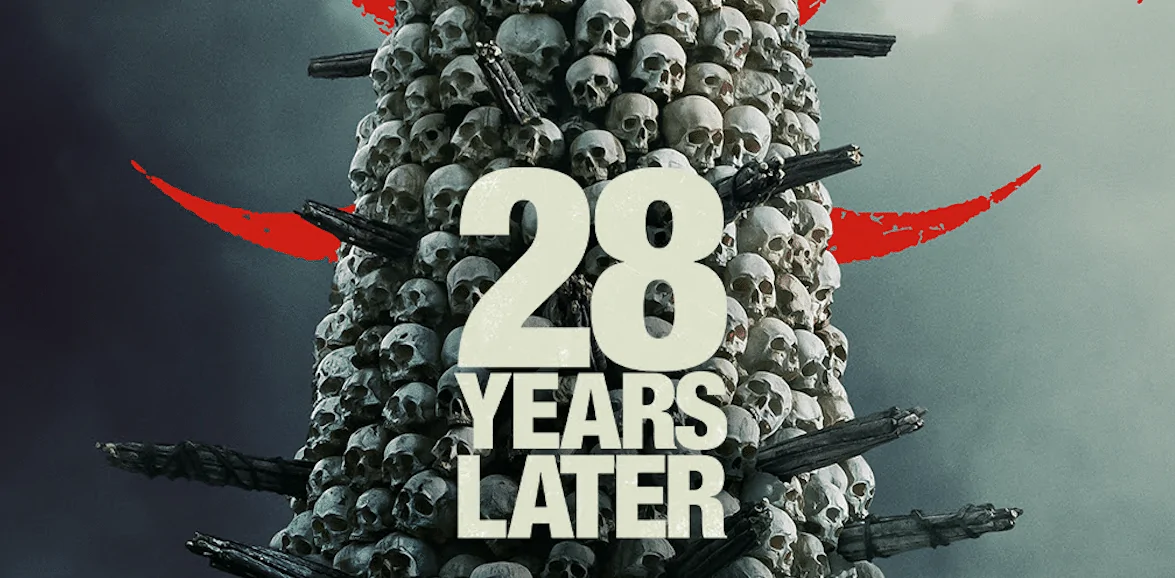
Danny Boyle’s 28 Years Later hits the big screen and redefines the franchise while paying homage to its roots. Reuniting with writer Alex Garland, the duo craft a post-apocalyptic horror epic that feels both familiar and fresh. Set nearly three decades after the Rage Virus decimated Britain, the film follows a new generation of survivors navigating a quarantined wasteland. From its opening moments, 28 Years Later grabs you by the throat, blending kinetic action with a coming-of-age tale. It’s a triumphant return that proves the series still has plenty of bite.
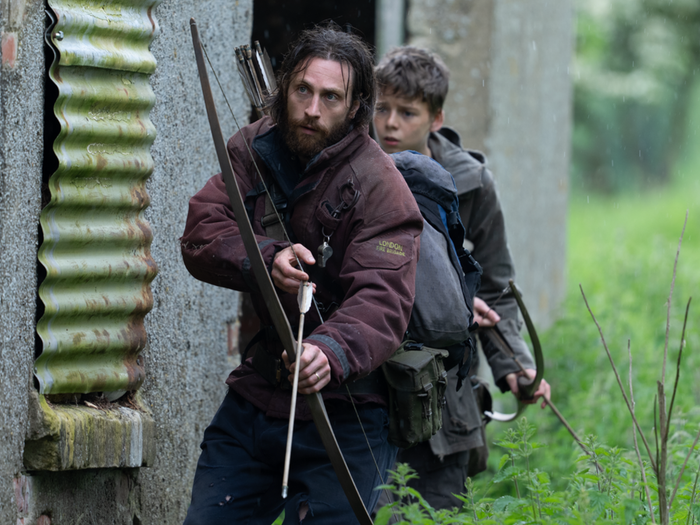
The story centers on Spike (Alfie Williams), a young boy raised on Holy Island, a fortified sanctuary off England’s coast. When his mother, Isla (Jodie Comer), falls ill, Spike ventures to the mainland with his father, Jamie (Aaron Taylor-Johnson), to find a rumored doctor, Ian Kelson (Ralph Fiennes). What unfolds is a journey through a mutated landscape where the infected have evolved into terrifying new forms—slow-crawling “Slow-Lows” and hulking “Alphas.” Unlike typical zombie films, this avoids predictable survival tropes, focusing instead on Spike’s emotional growth and the fragile bonds of family.
The performances are the backbone, anchoring the film’s emotional core. Newcomer Alfie Williams delivers a breakout turn as Spike, his wide-eyed curiosity and quiet courage making him a compelling protagonist. Jodie Comer embodies Isla with a fierce maternal strength tempered by vulnerability, while Aaron Taylor-Johnson’s Jamie is a flawed, charismatic man wrestling with guilt. Ralph Fiennes steals scenes as Kelson, a shaman-like figure whose cryptic wisdom and unsettling rituals add a layer of hope.
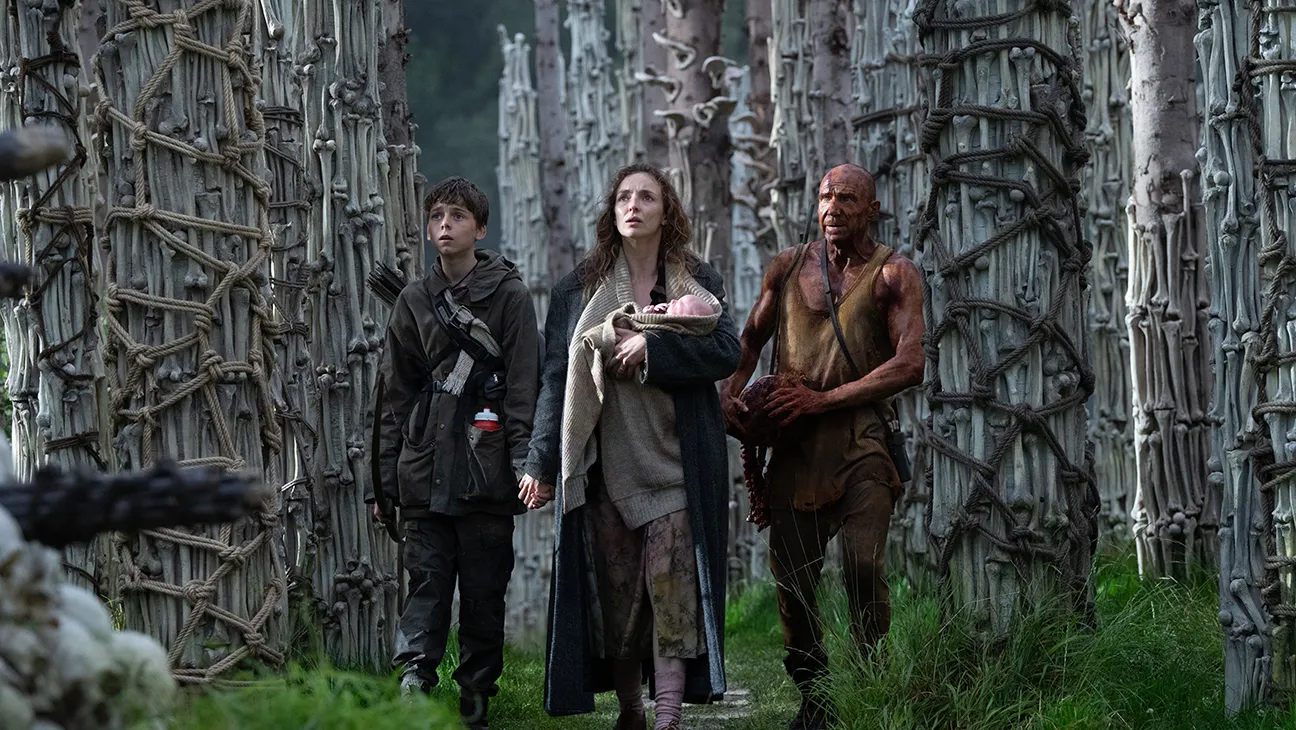
Alex Garland’s screenplay is a masterclass. While 28 Days Later was a story of societal collapse, 28 Years Later explores heavier themes of mortality, and what it means to be human in a world gone mad. The infected are no longer just mindless threats; Garland imbues them with a tragic humanity, especially in a haunting “bone temple” sequence that revisits their existence. The film’s originality shines in its refusal to mimic its predecessors.
28 Years Later is a rare sequel that honors its legacy while forging a daring new path. It’s not just a horror film but a reflection on survival, sacrifice, and the enduring power of hope. As the first chapter of a new trilogy, it sets a high bar, leaving you eager for what’s next.
- Email: neill@outloudculture.com
- Socials: @frazer.live
- @neill.outloud