

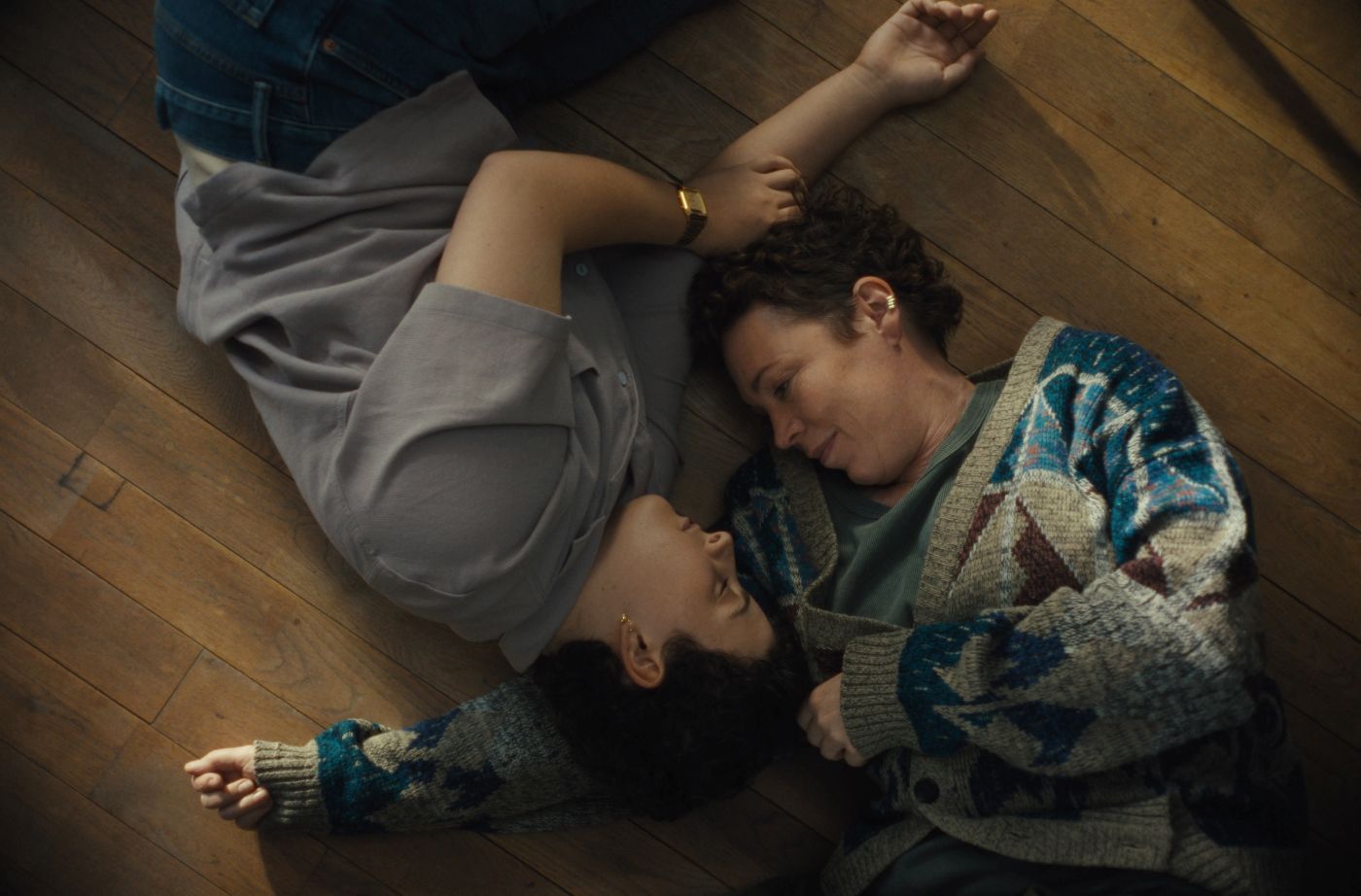
Sophie Hyde’s semi-autobiographical Jimpa arrives with noble intentions, weaving a multi-generational tapestry of queer family life that spans the AIDS era to contemporary non-binary youth. Starring John Lithgow as the vibrant, aging gay activist grandfather Jim (affectionately dubbed “Jimpa”), Olivia Colman as his filmmaker daughter Hannah, and Aud Mason-Hyde as the non-binary teenager Frances, the film explores themes of chosen family, generational divides, ethical non-monogamy, and the evolving language of identity. Drawing from Hyde’s own life—including the loss of her father and her relationship with her child—it aims to celebrate progress while acknowledging lingering tensions.
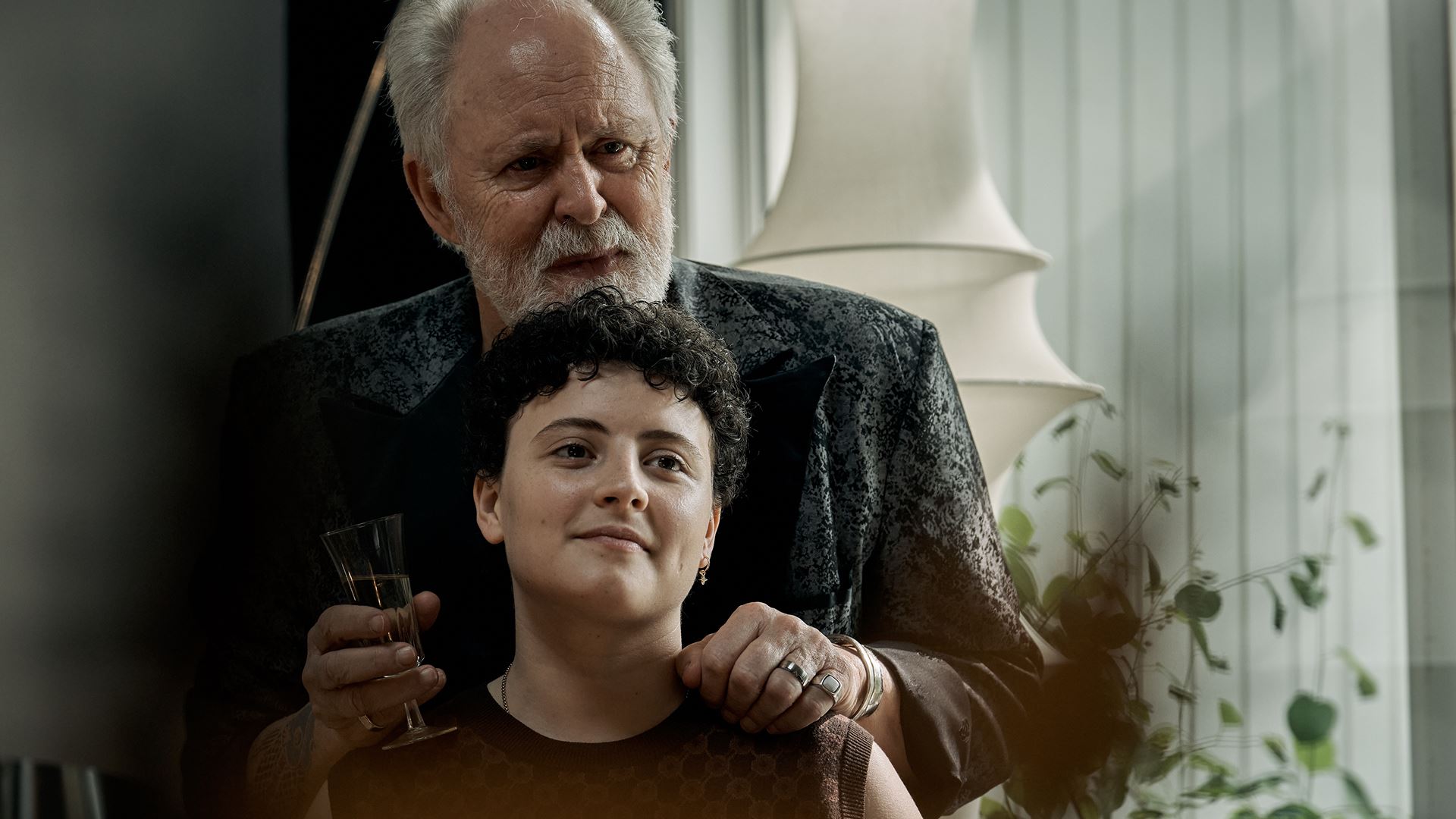
The performances are undeniably strong anchors. Lithgow delivers one of his most liberated and charismatic turns, infusing Jim with warmth, defiance, and a touch of hedonistic flair that critics have praised as his richest role in years. Colman, ever magnetic, brings nuance to Hannah’s quiet resentment and confusion as she grapples with her father’s legacy while parenting a child whose worldview challenges her own. Mason-Hyde holds their own in a role that feels deeply personal, contributing to moments of genuine emotional intimacy.
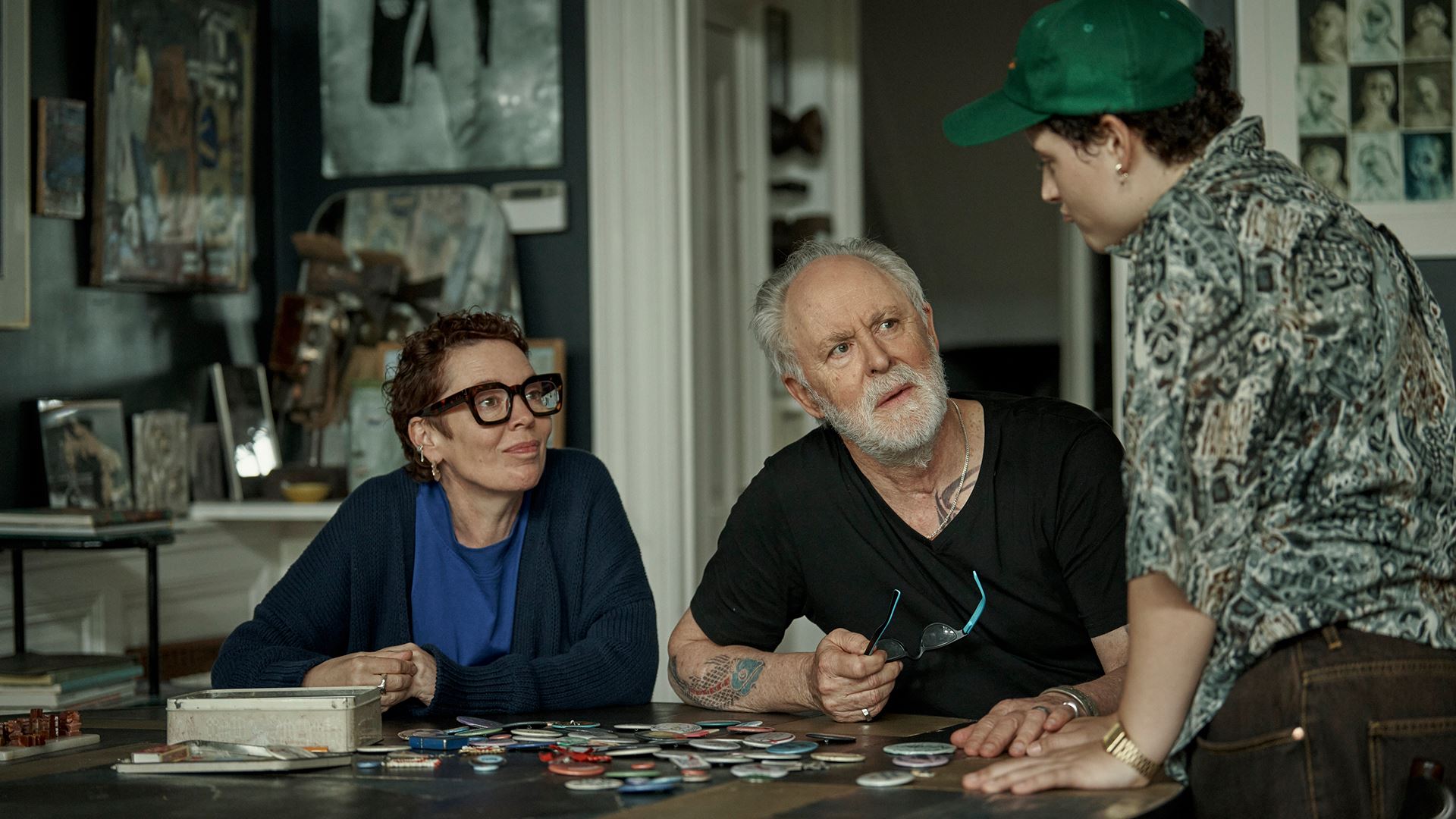
Yet for all its beauty and big ideas, Jimpa often struggles to get its engine running. The dialogue frequently lands like an overlong dinner party where characters keep explaining their feelings, sexuality, and politics instead of letting interactions breathe or evolve naturally. This results in a narrative that feels more affirmational than dramatically charged. The film’s lack of real tension is actually a deliberate part of the story: it shows that modern queer relationships can be calm and conflict-free. But this makes the story feel a bit too gentle. Instead of intense emotional moments or meaningful conversations, the film often feels like a slow, pleasant look at charming home movies. It’s more thoughtful than exciting, and doesn’t have the momentum of a strong, gripping story.
Jimpa is like a beautifully arranged charcuterie board: it looks great and offers a mix of interesting flavors from different parts of queer experience. But in the end, it leaves you wanting something more substantial and impactful. Despite its flaws, the film’s genuine love and vulnerability come through clearly. In a world still craving deeper queer stories, Jimpa gives a bittersweet, supportive look at one family’s changing history, even if it doesn’t completely satisfy the hunger it creates.
Screening from February 19 at Luna Leederville, Luna on SX, and the Windsor.

- Email: neill@outloudculture.com
- Socials: @frazer.live
- @neill.outloud



Leave a Reply