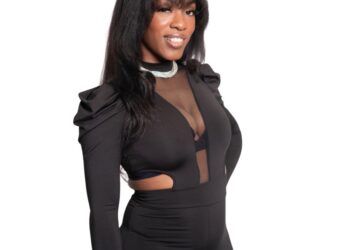

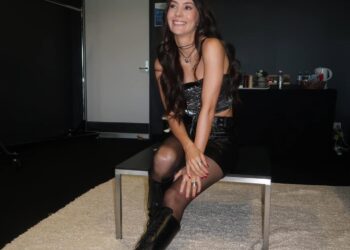

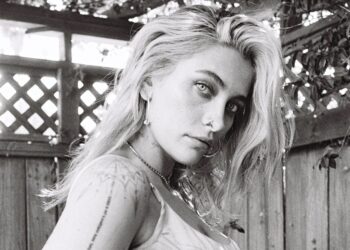

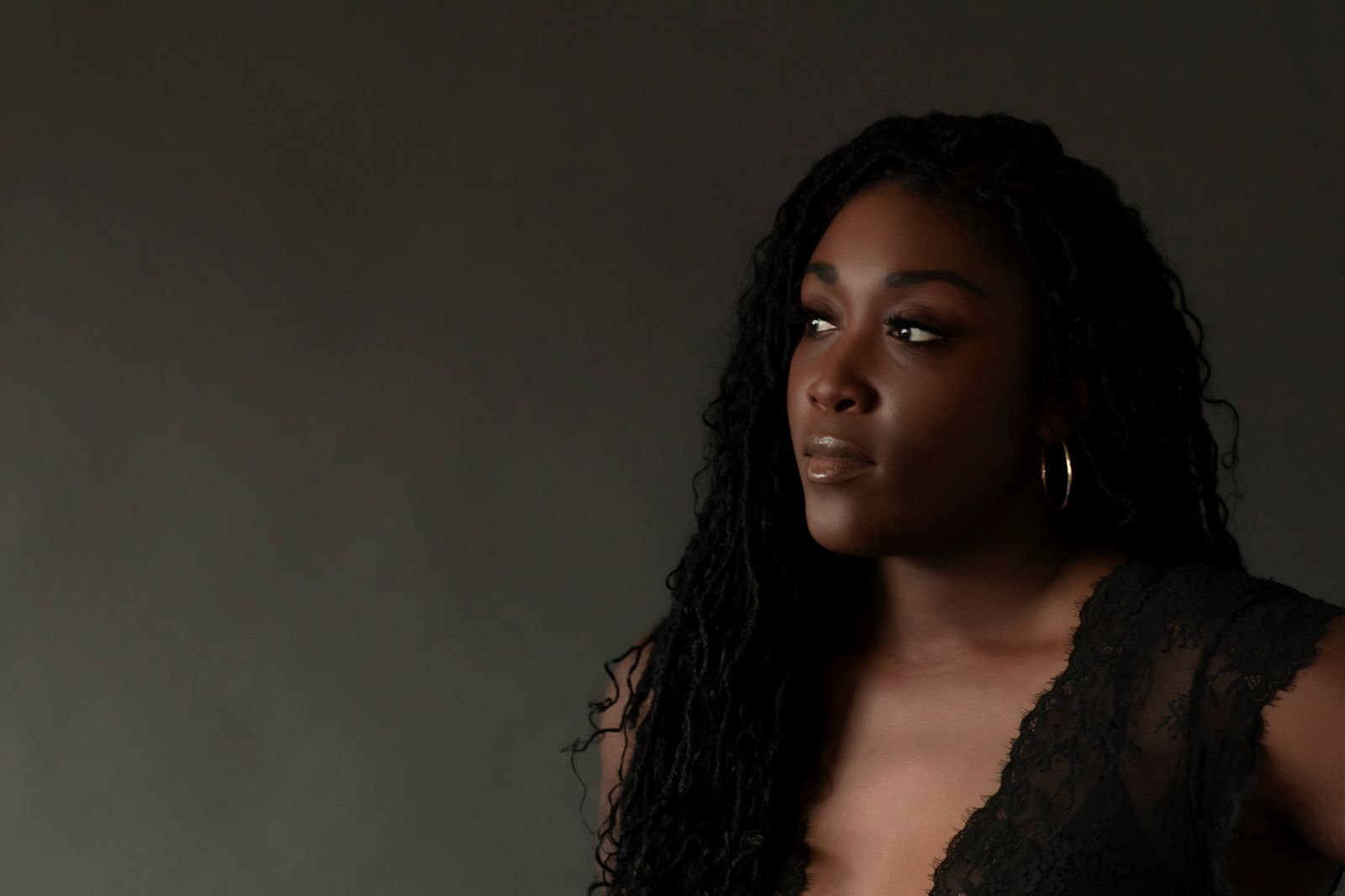
featuring @malyndahale
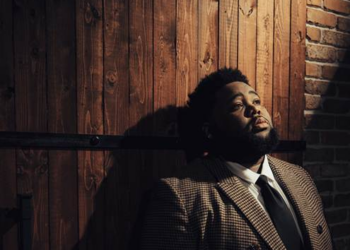
Malynda Hale is an award-winning actress, filmmaker, singer-songwriter, and storyteller based in Los Angeles. Working across film, television, music, and digital media, her work explores themes of identity, humanity, faith, race, and emotional connection through cinematic storytelling and character-driven narratives.
Most recently, she starred in the feature film Bull Street alongside Loretta Devine and Amy Madigan and made her directorial debut with the short film Curtain Call, which screened at festivals internationally including Bend Film Festival, GAZE International LGBTQIA Festival, and Middlebury NewFilmmakers Festival. Her second short film, Au Gratin, starring Tiffany Daniels, Loretta Devine, and Jay Donnell, was selected for the Poppy Jasper International Film Festival and Wyoming International Film Festival, and will also screen at the LightReel Film Festival in Washington, D.C. and the Martha’s Vineyard African American Film Festival in August, an Oscar-qualifying festival. She is also the founder of JMV Entertainment, a production company focused on developing film, television, and media projects rooted in meaningful storytelling.
Before expanding into filmmaking, Malynda built a career as a singer-songwriter and performer, releasing multiple independent projects and opening for artists including Smokey Robinson and OTOWN. Her music has appeared on television, including CBS and Disney productions, and she has performed for audiences ranging from the Los Angeles Dodgers to the California Democratic Convention. Across every medium she works in, Malynda is passionate about telling stories that create empathy, challenge systems, and connect people more deeply to one another.
1. Bull Street is generating buzz after premiering at festivals like the Pan African Film Festival and the Sarasota Film Festival. What drew you to the role of LouEster Sadie Gibbs, and how did working alongside legends like Amy Madigan and Loretta Devine shape your performance and the film’s exploration of privilege versus legacy?
What drew me in was the story. I loved that Lynn Dow, who wrote and directed the film, built it around her own family’s history, and that personal connection always makes stories easier to bring to life. LouEster is fighting for something that should never have been in question; land and legacy that was earned through generations of love and a sacrifice that I know is all too real for a lot of Black families. Working with Amy and Loretta on this film was an absolute dream. Neither of them showed up in a way that made anyone on set feel inferior. They were in it with everyone, fully committed and engaged. I love how they showed up completely ready and completely present, and that raised the level of everything I brought to the role as well.
2. You’ve made a powerful transition from singer-songwriter to filmmaker, with your directorial debut Curtain Call and now Au Gratin gaining festival recognition. What inspired your shift into directing, and what storytelling lessons from your music career have carried over into your films?
I wouldn’t call it a shift so much as an addition to what I was already doing. I didn’t stop being a musician to become a filmmaker; I just kept adding to the body of work I’ve been creating. The lesson music gave me that lives most directly in my directing is how can you effectively tell a story that accomplishes what you want in the amount of time given. In a song, you have 3-4 minutes to make someone feel something. Every word has to earn its place. So, I try to bring that same mindset to filmmaking. What is unnecessary? What isn’t? Music taught me to trust what’s essential and cut what isn’t. It’s hard to let things go but sometimes it doesn’t have a place and it’s not necessary for the story to be told.
3. As the founder of JMV Entertainment, you’re focused on meaningful storytelling around identity, humanity, faith, and race. What is the mission of your production company, and how do projects like the web series Black Voices Heard help amplify underrepresented perspectives?
The mission behind my company is really to build the stories that aren’t getting built elsewhere. JMV exists because I got tired of waiting for opportunities to come my way and for permission to do my own thing. At a certain point you realize nobody is going to hand you the infrastructure — you just have to build it. Black Voices Heard was created because I wanted people to hear directly from those most impacted by the conversations happening around them. I always think it’s important to hear from the actual person telling their own story. That matters especially right now when the history and experiences of Black Americans are being systematically erased from the public record.
4. Your podcast #WeNeedToTalk dives into hot topics and current events. What are some of the most impactful or surprising conversations you’ve had on the show, and how has hosting it influenced your activism and creative work?
The conversations that stay with me are the ones where I thought I knew what I was going to say, and then the conversation went in a different direction. The show has made me a sharper thinker and value conversations so much. The logline is everything — it begins with a conversation, and I fully believe that applies to anything we do. I love having it as a vehicle because talking with people from all walks of life is really special.
5. You’ve spoken about raising two daughters as a Black woman through the pandemic and beyond. What are some of the biggest joys and challenges of mom-life for you, and how has that experience informed the characters you portray or the stories you choose to tell?
The joy is watching them become people. They both have such distinctive personalities with their own opinions and wants and needs. The challenge is the same challenge most mothers face. It’s difficult to balance sometimes because the expectations put on us to carry everything while appearing effortless are exhausting and sometimes impossible to live up to, but we make it work! Motherhood made me more intentional about the work that I do because I want them to be proud of everything that I do. The hardest part is balance and when I have to travel. I love what I do but it is hard when I have to be away from them.
6. Your music is in the adult contemporary genre, and you’ve opened for icons like Smokey Robinson while having songs placed on CBS and Disney. How does music continue to play a role in your life as an artist and storyteller today?
Music is the thing I always return to. It’s the most private version of what I do. Acting and filmmaking require other people by definition. Music is just me and the piano, and whatever feels right in that moment. I don’t perform as publicly as I used to, and that’s a complicated thing to talk about. But the songwriting never stopped — it just changed what it was for. Right now, music is how I process rather than how I perform, and I think that’s okay. I’m not ruling out what it becomes next.
7. You’re vocal about topics like female empowerment, Progressive Christianity, being in a biracial relationship, and veganism. Which of these personal elements has most deeply influenced your artistic journey or the themes in your work?
Faith, without question. My faith is not separate from my activism or my art. I believe in a God who is fundamentally concerned with justice and with the people who are being left behind, and that belief makes it impossible for me to create things that don’t hold that same concern. It’s really important for me to practice what I preach, and that begins with the values and faith that I hold dear. I believe in advocacy, representation, and making sure there is a seat at the table for everyone. Those views are directly related to my faith.
8. Many of your projects explore emotional connection, empathy, and challenging systems. In today’s cultural climate, what stories do you feel are most urgent to tell through film, music, or digital media?
Stories that refuse to make marginalized people explain themselves to an outside audience. We’ve spent a long time creating work that has to justify its existence to people who weren’t meant to be the primary audience anyway. I want to see more stories that center Black, Brown, queer, disabled, and immigrant experiences without asking those communities to perform their pain for someone else’s education. I also think we desperately need stories that hold complexity rather than resolution. We are living in a moment of genuine moral and political confusion and art that pretends otherwise isn’t honest. I want stories that let people witness the discomfort of the actual moment we’re in. I understand escapism and work that doesn’t center those things, and we all need those, but media and entertainment play such a pivotal role in how we see the world. If you have the opportunity as a creative to showcase a story in a powerful way that could create empathy and understanding, then you should do it.
9. Au Gratin features a strong cast including Tiffany Daniels, Loretta Devine, and Jay Donnell. What was the collaborative process like, and how does this project build on or differ from your experience with Bull Street and Curtain Call?
Au Gratin was the project that made me certain directing is not something I’m doing on the side. It’s something I’m building toward as a central part of my career. Getting to direct Loretta after acting with her in Bull Street was a full circle moment that I don’t take lightly. She trusted me completely and that trust is something you earn through building a relationship. The other thing is that when you’re directing, everyone is relying on you. When you’re just acting, you’re relying on the director. So, being on both sides of the camera has been good for me overall in terms of trust and just being a creative.
Curtain Call was an extremely intimate film with just two actors. Au Gratin was an ensemble film that pushed me as a storyteller — not just as a director executing a vision. I had to make a lot of decisions and calls on things, and when you’re acting and directing at the same time, it’s sometimes difficult to focus on certain aspects, but the result is something I’m genuinely proud of.
10. Looking ahead, what are your hopes for the future — not just for your own career as an actress, director, and musician, but for the kind of inclusive, empathetic storytelling you want to see more of in Hollywood and beyond?
For my own career, directing a feature is the next concrete goal. The script for a Curtain Call feature is written, and I intend to see it made.
For Hollywood, more broadly, I want to see the industry stop treating inclusion as a trend with a budget cycle. The stories that center people who’ve been historically underrepresented are not niche. They never were. They just weren’t being funded. The audience has always been there. What I hope for is an industry that finally stops confusing access with merit and starts understanding that the pipeline problem was never about talent.
SOCIAL MEDIA:
Instagram I Twitter | Website I IMDB