
















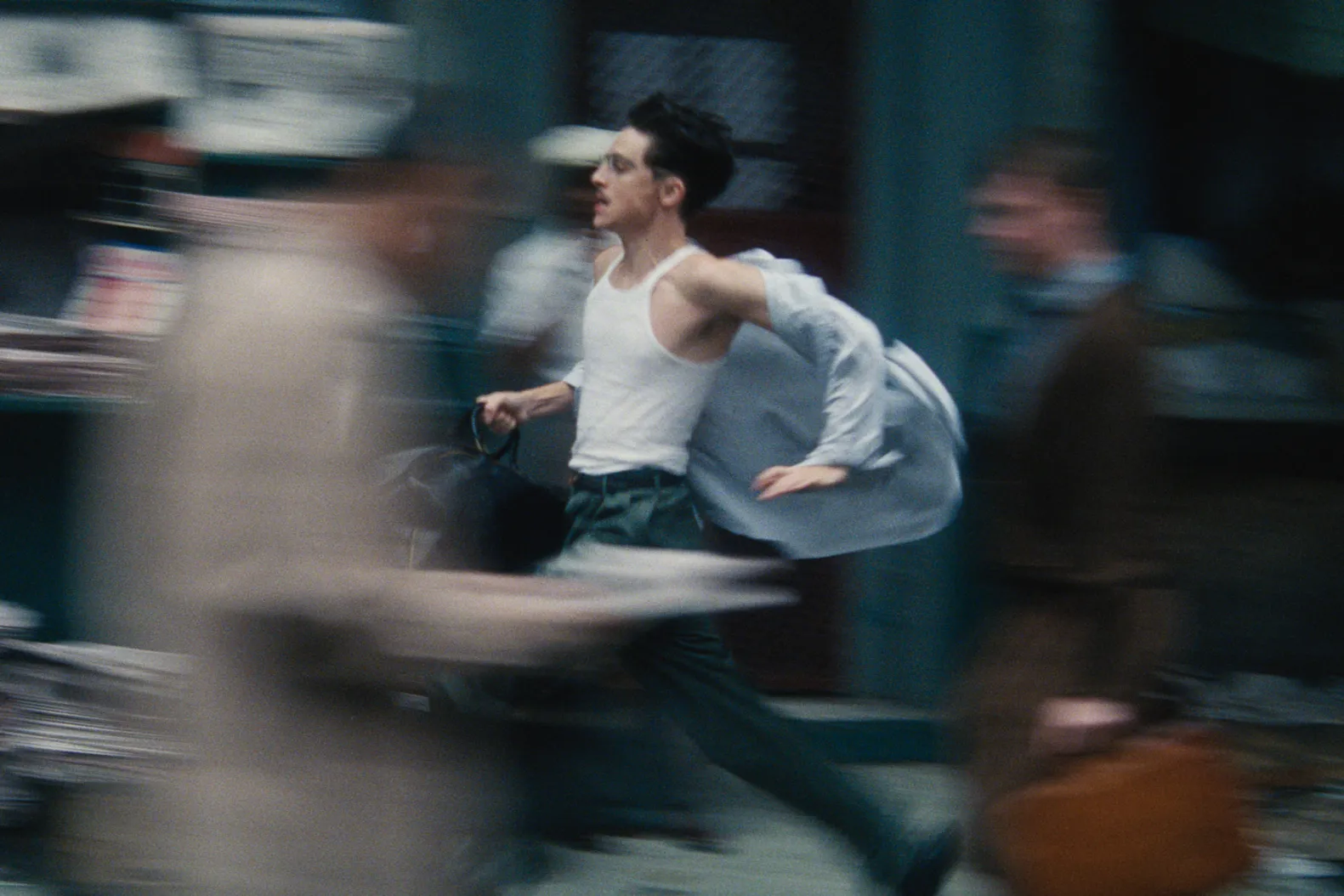
From its first frame, Marty Supreme commands attention not just as a period sports dramedy but as a cinematic experience driven by an electrifying central performance — one that anchors every wild, absurd twist Josh Safdie throws at us. The film, loosely inspired by the life of table tennis hustler Marty Reisman, unfolds like a hallucinatory portrait of ambition, ego, and raw energy in 1950s New York.

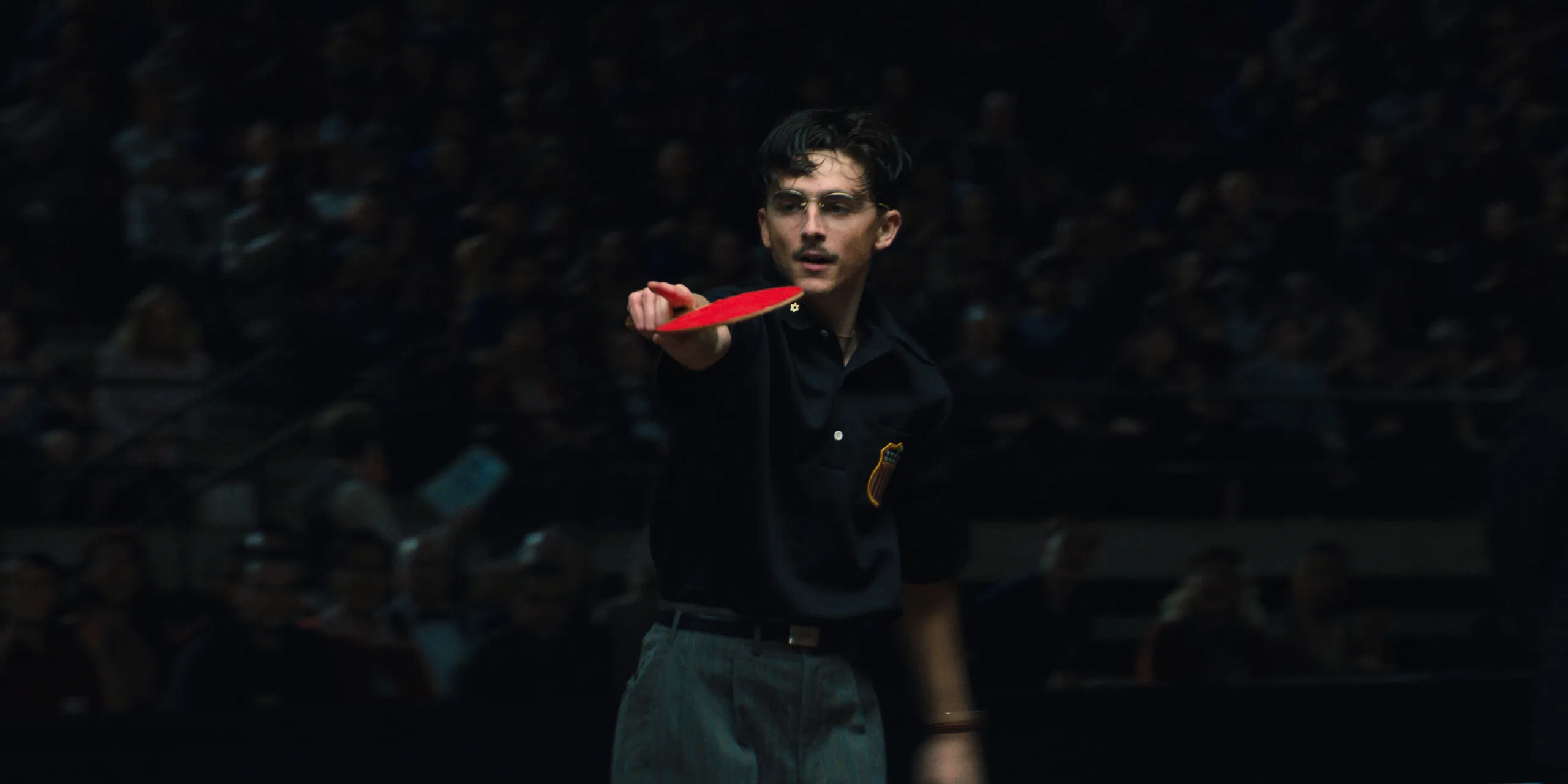
Timothée Chalamet carries this movie with such raw magnetism that calling his performance “outstanding” feels like an understatement. He’s not just acting — he’s embodying Marty Mauser with a frantic, unpredictable vitality that keeps you glued to the screen for nearly 2.5 hours. Critics agree: this is Chalamet at perhaps his most charismatic and career-defining performance yet, a role that blends bravado with vulnerability in ways that only he could pull off.
What makes Chalamet’s work so spectacular here is his ability to make Marty both infuriating and fascinating. He’s a guy with boundless ambition — impossibly self-assured, often oblivious to consequences — yet Chalamet balances the brashness with an underlying vulnerability that makes you feel every gamble, every blow-up, and every fleeting triumph.
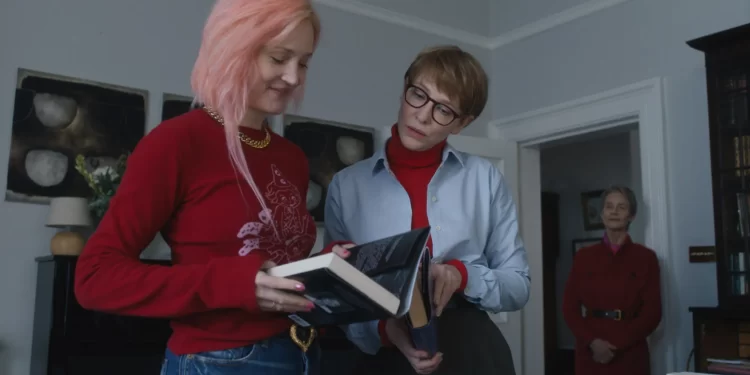
But this isn’t just a one-man show. Odessa A’zion’s turn as Rachel — the calm to Marty’s storm — is equally compelling. Where Marty is chaotic, loud, and combustible, Rachel is grounded, perceptive, and emotionally resonant. A’zion brings a quiet strength to the film that cuts through the surrounding madness, providing a much-needed emotional center. Ever since Grand Army, she’s had a quiet intensity that translates beautifully here. Her presence enriched every scene she shared with Chalamet; she didn’t just react to Marty — she counterbalanced him.
The chemistry between Chalamet and A’zion adds depth to a story that could’ve easily spun out into pure spectacle. Instead, their dynamic makes Marty’s journey — with all its smoke, mirrors, and ping-pong chaos — feel rooted in real emotional stakes. There’s a tenderness in their interactions that stops the film from becoming too frenetic, reminding us that behind every manic dreamer is someone who sees the person they could be.

Another standout is Tyler, The Creator, who delivers a surprisingly confident and memorable performance. Rather than feeling like a stunt casting choice, Tyler slides naturally into Safdie’s world, bringing a sharp presence, dry humor, and understated menace when needed.
Critically, Marty Supreme has been celebrated for its kinetic energy and narrative audacity. Its nearly universally “fresh” critics’ ratings reflect how reviewers have connected with its manic pacing and bold vision. Even detractors concede that Chalamet’s magnetic performance makes every convoluted thread compelling to watch. Yes, the film is messy in ways that are clearly intentional — narrative loops, impulsive detours, unpredictable tonal shifts — but that’s part of its charm. It doesn’t let you settle into comfort; instead, it makes you engage. The chaos becomes a storytelling device, echoing Marty’s own internal structure: relentless, impulsive, and endlessly hungry.

Visually and aurally, the film feels like a fever dream. The period detail, combined with the bold cinematography and pulse-pounding score, makes the 1950s setting feel both authentic and surreal. Every scene feels designed to pull you deeper into Marty’s frenetic orbit.
At its core, Marty Supreme is about obsession — the thrill of the chase, the theatricality of ambition, and the spectacle of someone who simply refuses to be ignored. Thanks to Chalamet’s tour-de-force charisma and Odessa A’zion’s steady, compelling grounding, this film doesn’t just deliver — it bruises you with the joy of being alive in its world.
Screening at Luna Leederville and Luna on SX from January 22.
Screening in the Luna Outdoor January 22 (Opening Night Event) then January 23-28 + Feb 2 – 4
- Email: neill@outloudculture.com
- Socials: @frazer.live
- @neill.outloud