


















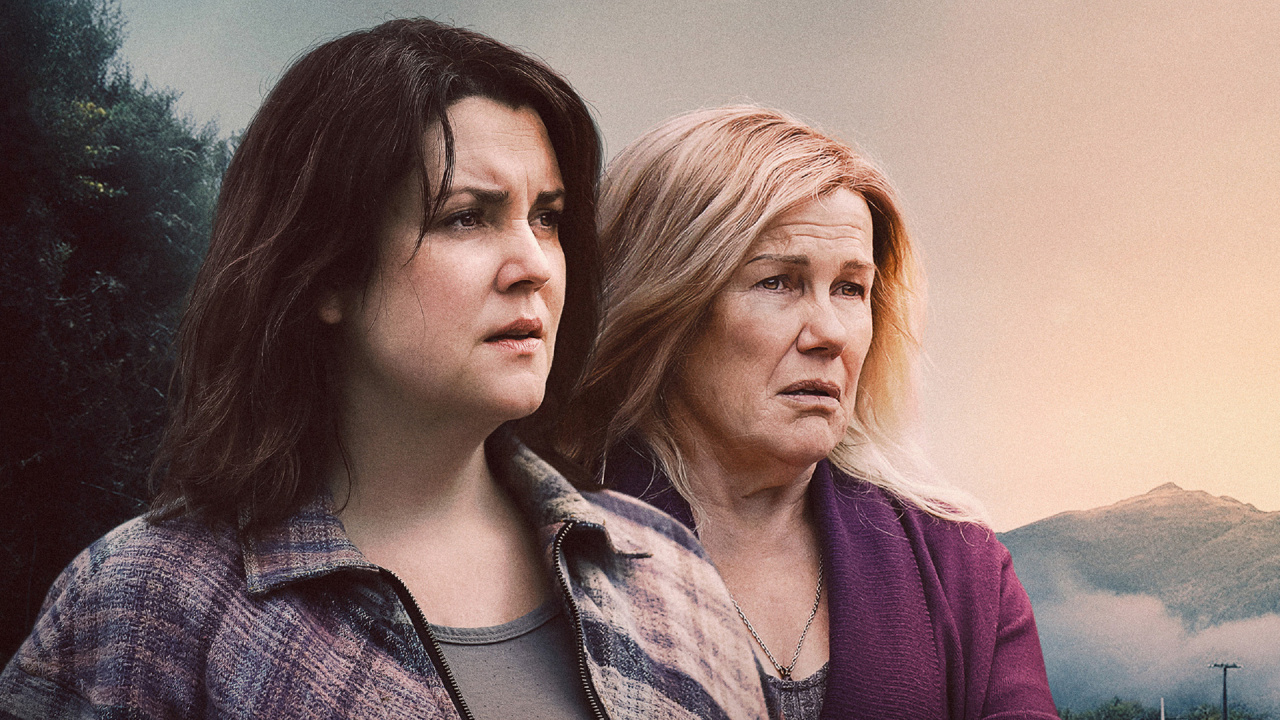
Pike River, directed by Robert Sarkies and starring Melanie Lynskey and Robyn Malcolm, is a sobering drama that chronicles the long aftermath of New Zealand’s 2010 Pike River Mine disaster, in which 29 miners lost their lives in a series of methane explosions. The film shifts focus away from the immediate catastrophe to the years-long fight for accountability led by grieving families, centering on the unlikely friendship between two women navigating profound loss, bureaucratic stonewalling, and a quest for justice.
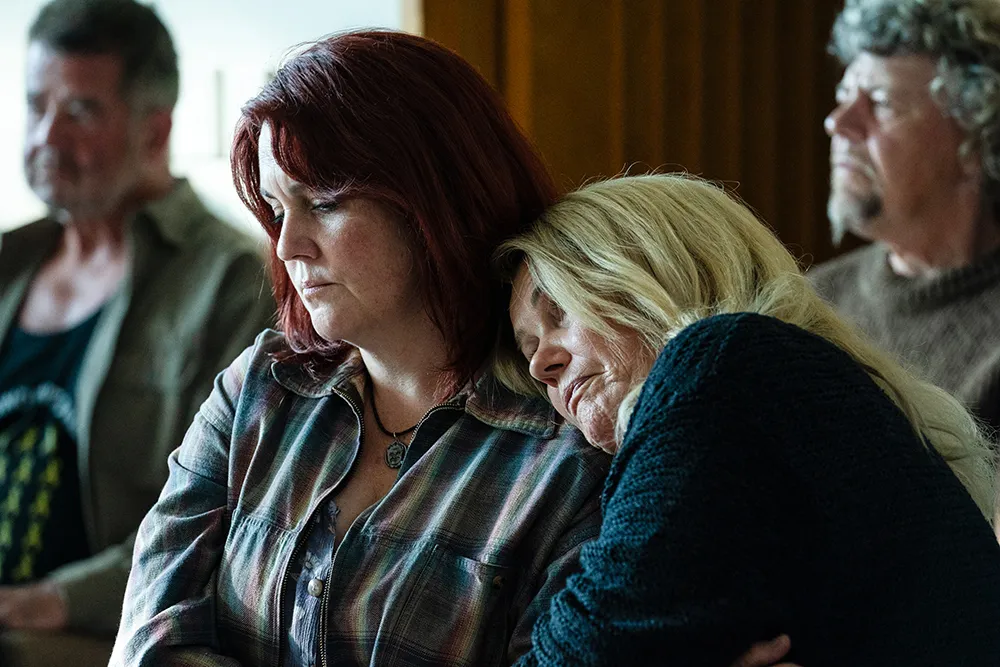
The performances are undoubtedly the film’s greatest strength. Lynskey and Malcolm deliver raw, lived-in portrayals that anchor the story in authentic emotion. Their chemistry feels genuine, turning what could have been a standard “grief drama” into something more intimate. Supporting turns, including from Lucy Lawless, add texture to the community portrait, and the production design—capturing the rugged West Coast setting and the quiet dignity of everyday life in a mining town. Where the film resonates most is in its meticulous depiction of the slow grind of advocacy: the meetings, the media battles, the personal toll on families, and the quiet fury at corporate and regulatory failures. It’s a story of resilience rather than rescue, and in that, it honors the real families who pushed for answers long after the headlines faded.
Yet, for all its strengths in character work and thematic seriousness, I struggled to connect with Pike River on a deeper emotional level. As someone not deeply familiar with the disaster beforehand, I found myself wanting more context about what actually unfolded inside the mine. The director’s deliberate choice to largely omit depictions of the explosions, avoid dramatizing events underground, and steer clear of reenactments or extensive archival footage creates a noticeable gap. While this restraint is admirable and respectful—preventing the film from becoming exploitative “disaster porn”—it left me, as an outsider to the story, without a full grasp of the tragedy’s magnitude and technical causes.
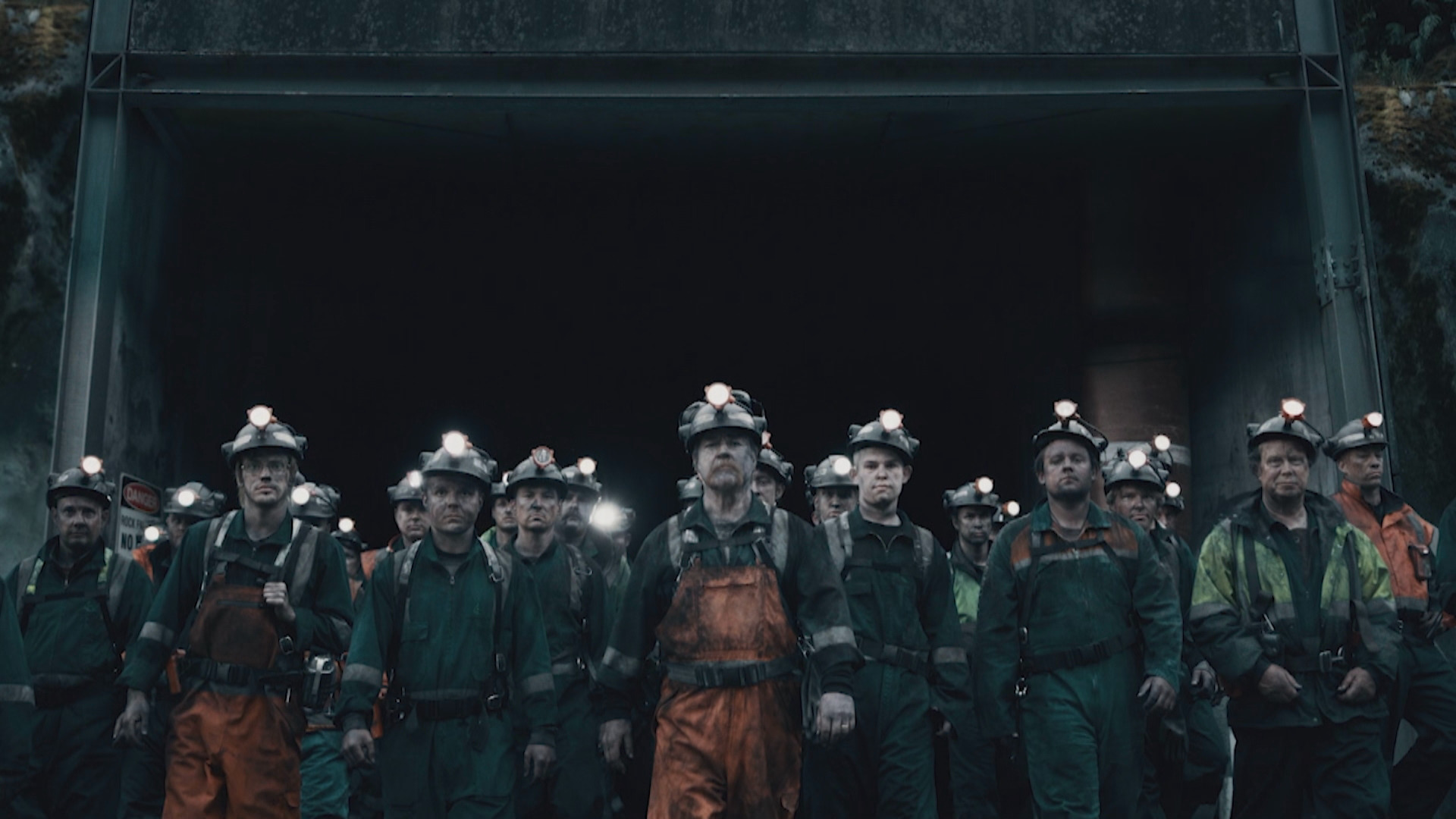
A bit more explanation of the safety failures (inadequate methane drainage, flawed ventilation, ignored warnings, and profit-over-safety pressures, as detailed in the Royal Commission) or even subtle dramatization could have bridged that gap without compromising sensitivity. Understanding the “why” and “how” more viscerally would have amplified the heartbreak and made the families’ fight feel even more urgent. Instead, the film sometimes feels like it assumes a level of prior knowledge that not all international (or even younger Kiwi) audiences possess.
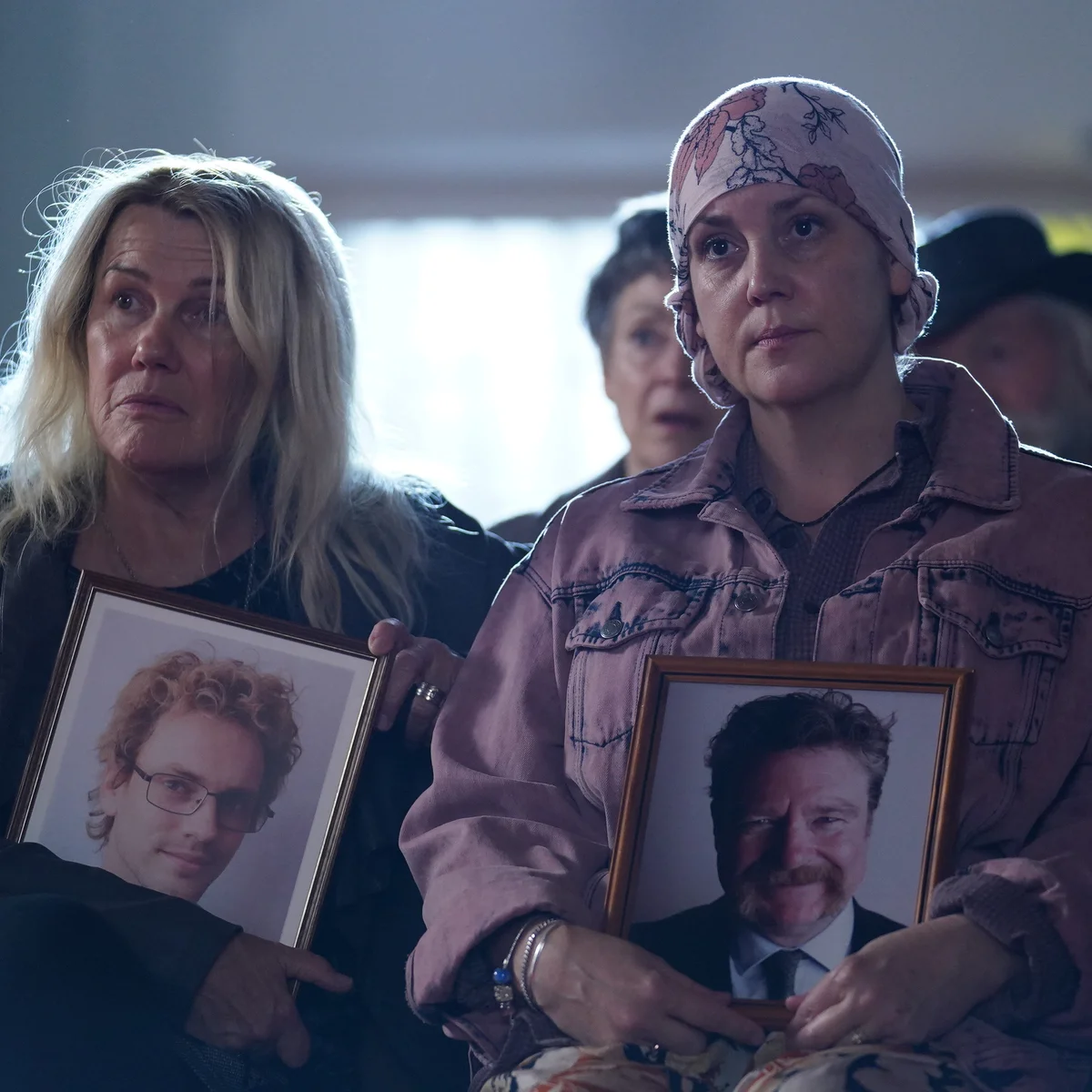
This isn’t to say the movie lacks impact—its quieter moments of friendship and determination land powerfully, and the final archival glimpses provide a poignant real-world anchor. But the emotional distance created by those omissions kept me more intellectually engaged than viscerally moved. For viewers already steeped in the history, this might feel like the perfect, respectful approach. For others, it risks leaving a void where deeper connection could have been forged.
Pike River is a well-crafted, important film with outstanding acting and a vital message about corporate accountability and community strength. It earns respect for its choices, even if those same choices limited its emotional reach for me. It’s worth watching for the performances and the story alone, but it could have been truly unforgettable with a bit more grounding in the disaster’s raw mechanics. A solid, thoughtful effort that honors its subjects while leaving some audience members, like me, wishing for just a little more.
Screening at Luna Leederville and Luna on SX from May 14th.
- Email: neill@outloudculture.com
- Socials: @frazer.live
- @neill.outloud