

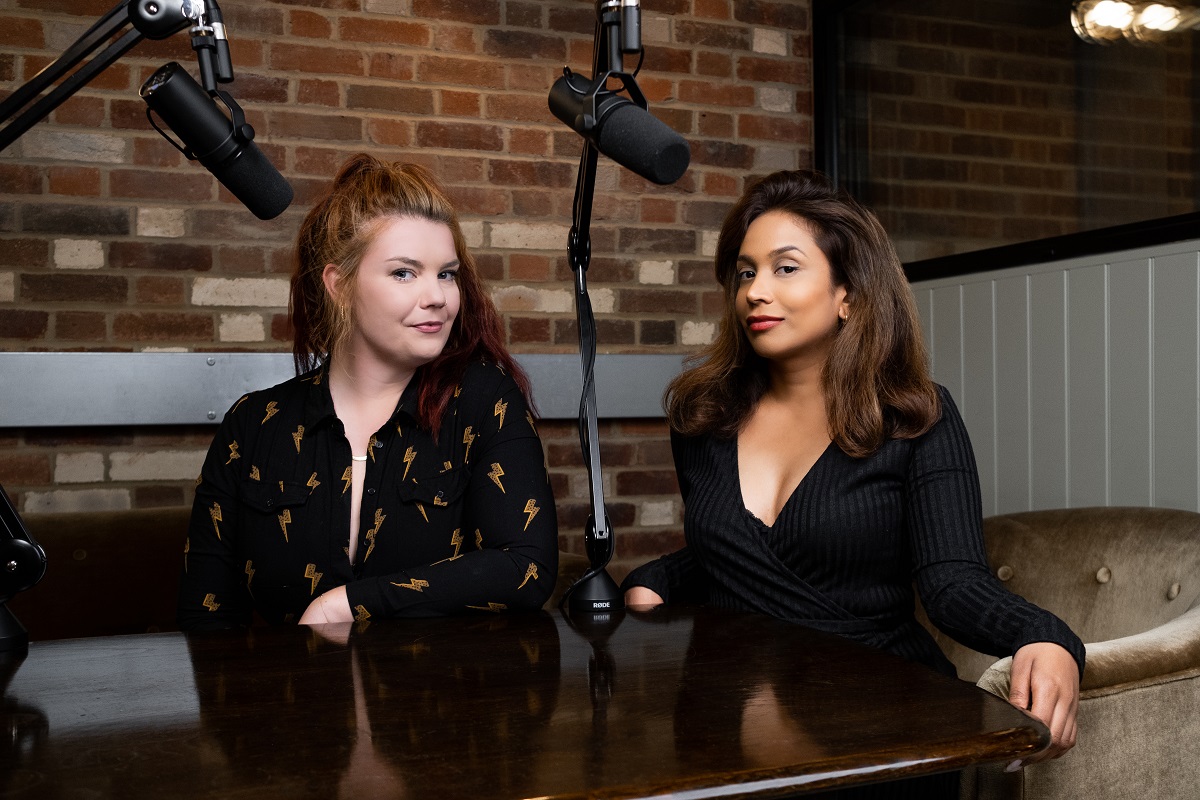
featuring @hannahmaryanastasia @suruthilaya @redhandedthepod
REDHANDED PODCAST
Socials
Website | Instagram | TikTok | YouTube
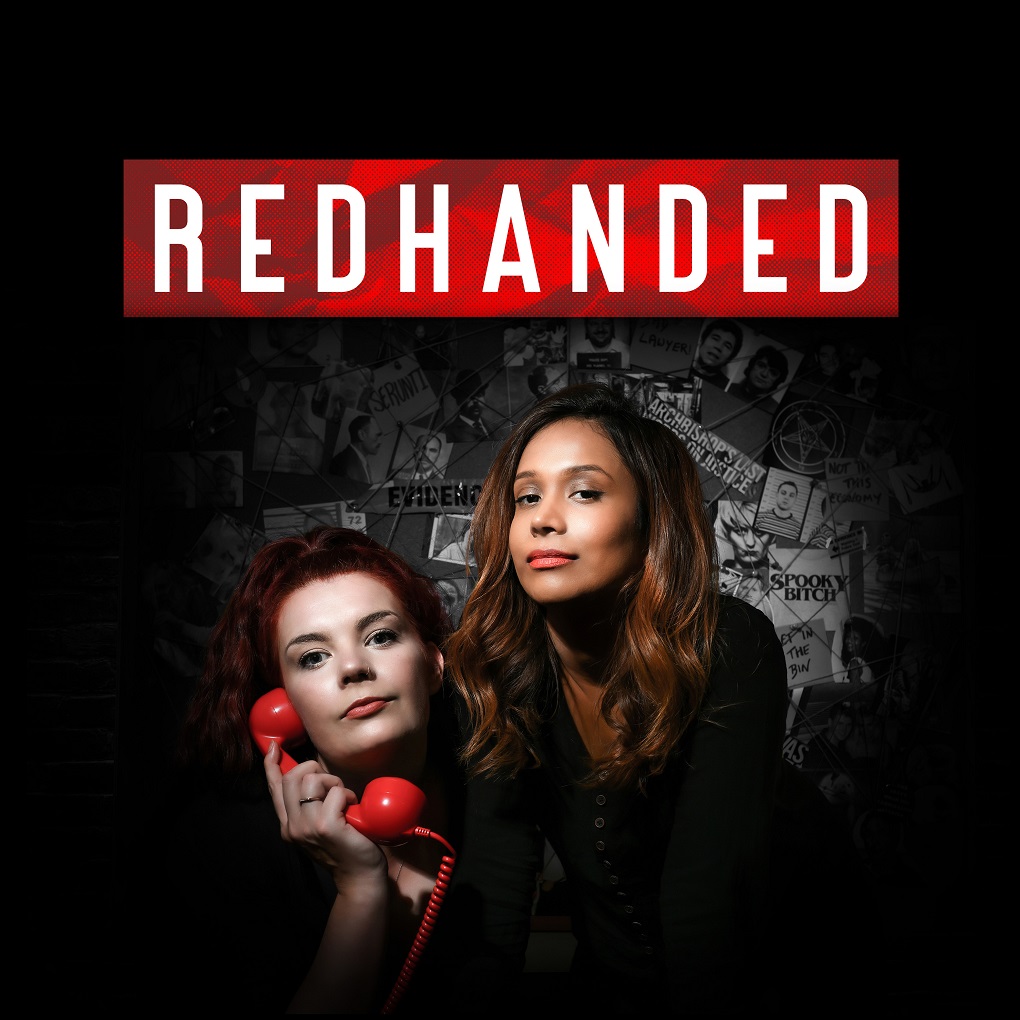
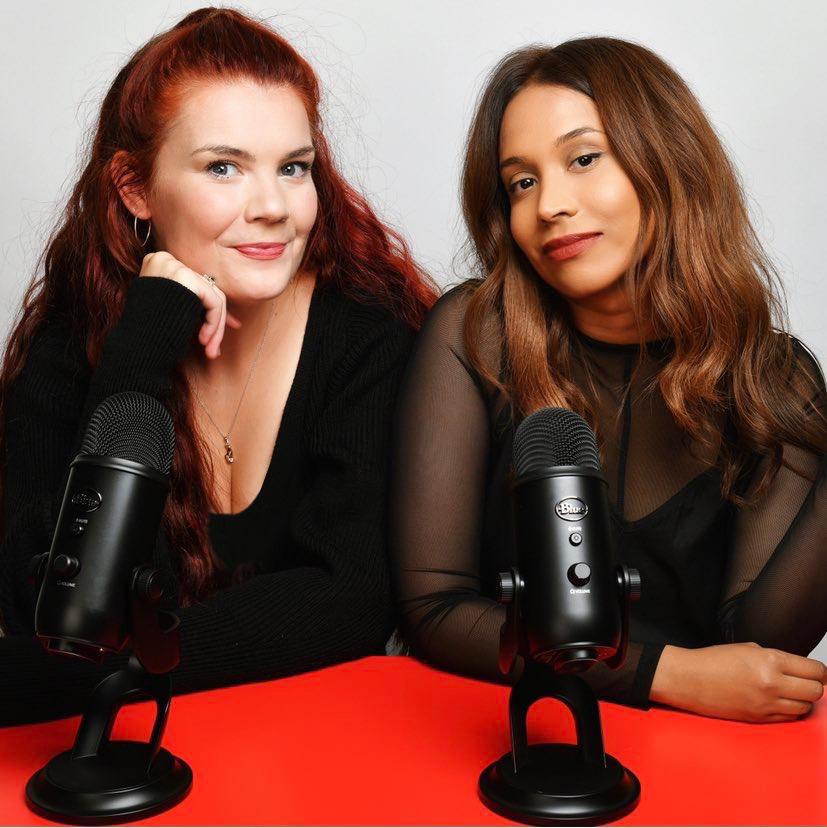
Nine years ago hosts Hannah Maguire and Suruthi Bala met at a party, got drunk and decided to set up a true crime podcast together. Then against all the odds, they did – with a £10 microphone in a cupboard under the stairs.
Today, RedHanded is an internationally-renowned, hit podcast racking up millions of downloads every single month. RedHanded has built a global audience drawn to its distinctive blend of intelligent analysis, candid conversation, and irreverent wit. From infamous serial killers and cult leaders to lesser-known cases that deserve everyone’s attention, the podcast explores the social, cultural, and psychological forces that shape crime.
Since the good old cupboard days, the show has gone from strength to strength, including: winning Gold at the British Podcast Awards three years in a row, penning a Sunday Times Best-Selling book, and selling out live tours around the world.
1. Nine years ago, you two met at a party, got drunk, and decided to start a true crime podcast with a £10 microphone in a cupboard under the stairs. Looking back, what’s the most surprising part of how RedHanded has grown from that moment into a global phenomenon with millions of monthly downloads?
– The most surprising thing is that it grew at all. We had absolutely no idea how manyincredible things we would achieve together. Back then we didn’t think anyone wouldbother to listen, let alone millions every month.
2. What were the biggest challenges you faced in those early “cupboard days,” and how did those early struggles shape the way you approach podcasting today?
– We have always released an episode a week, 50 weeks a year. A consistent release schedule is the most important factor in growing a show. It’s an enormous amount of work and in the first two years when we both had “real” jobs the pressure saw both of us almost walk away multiple times.
3. You’ve gone from a DIY setup to sold-out live tours across the UK, Europe, and North America, plus a Sunday Times bestselling book. What’s one key lesson about building something from the ground up that you wish you knew when you started?
– We’ve done Australia & New Zealand too!
– Never take your audience for granted, and never dwell on your mistakes. You have to keep moving.
4. How has your friendship and working dynamic evolved over nearly a decade of co-hosting RedHanded?
– The fact that we didn’t know each other at all before we started the show has worked in our favour in a lot of ways. We didn’t go into the project with the emotional baggage that inevitably comes with working with friends. We’re work married, and we have to treat it like a marriage, our relationship needs time, communication and maintenance like every other partnership.
5. True crime has exploded from a somewhat niche genre into a global obsession. What do you think has driven this massive cultural shift, and how has RedHanded both reflected and influenced it?
– The reason that all of the flagship conversational true crime shows are grass roots ones (MFM, LPOTL, Crime Junkie etc.) is that people wanted the content, but big media houses were too afraid to make it. So we don’t think we can call it a massive cultural shift, the audience interest has always been there, it just took traditional media a while to catch on.
6. As the true crime landscape has become more saturated, how has RedHanded managed to stand out with its distinctive blend of intelligent analysis, candid conversation, and irreverent wit?
– The show works because we’re very different people, our chemistry is a big part of RedHanded’s success. And we really about what we put out, complacency is a killer.
7. What changes—positive or negative—have you observed in how true crime is consumed and discussed over the past decade?
– The biggest change is the focus on wrongful conviction cases. Producing a series about an innocent person behind bars for something they didn’t do is an attractive prospect for networks. It taps into the enormous true crime audience, but conveniently side step sexploitation accusations. This has led to quite a lot of confirmation bias within the industry, which can cause trouble when the central character turns out to be guilty.
8. Do you think the rise of true crime podcasts has made the genre more responsible or more sensationalist overall?
– Both unfortunately, there are so many true crime creators out there who work incredibly hard and produce meticulously responsible work. And there are others who aren’t. Both sides of the coin are unavoidable, just as there are in traditional media – it’s not like a journalist has never sensationalized a story to sell papers.
9. You often go beyond the facts to explore psychology, societal structures, and power dynamics. How do you balance telling compelling stories with your responsibility to victims and their families?
– By being careful with our words and intentions. The responsibility to get the facts right is always at the front of our minds. A story can always be constructed compellingly without sacrificing respect for those involved, or those they left behind.
10. What ethical guidelines or personal principles do you follow when deciding which cases to cover, especially lesser-known ones that “deserve attention”?
– We will only cover cases we can sufficiently cite to create an episode. The only thing that will stop us from covering a story is if we can’t find enough credible information about it. Every story deserves attention, but we won’t tell one we can do justice to.
11. In high-profile cases, media coverage can sometimes distort public perception. How conscious are you of the role your podcast plays in shaping how audiences understand crime and justice?
– Over the years we have become a trusted voice in the true crime space. Our listeners know they can come to us for a balanced retelling of the pertinent facts. We also never point fingers whilst covering unadjudicated cases, that can ruin lives.
12. Have there been any cases where you regretted how you covered them, or moments that made you rethink your approach to storytelling?
– The first time a family member of a victim got in touch with us after listening to an episode, we were terrified to answer the phone. But we needn’t have worried, she had called to tell us how grateful she was we had shone a light on her brother’s story. Every interaction we have had with anyone we have spoken about on the show or their families has been overwhelmingly positive.
– Of course we’ve made mistakes over the last decade, it would be impossible not to. All we can do is apologize when we’ve got it wrong and move on.
13. Why do you think audiences are so drawn to true crime stories—and what does that fascination say about human nature and society today?
– Morbid fascination isn’t new, it’s as old as we are. Humans have always been drawn to the extreme, it’s built into us. True crime is just an arena in which we can explore that draw safely.
14. You explore the social, cultural, and psychological forces behind crime. Are there any common societal patterns or “blind spots” you’ve noticed across the hundreds of cases you’ve covered?
– The more conventionally attractive a person is, the more sympathetic a judge and jury will be to them. It’s called the halo effect and it can knock decades off a sentence.
15. Has hosting RedHanded changed the way you personally view crime, justice, or human behaviour?
– I used to think that most people are good people, now I’m not so sure. Almost a decade of RedHanded has certainly broadened by understanding of what horrors humans are capable of. – Hannah
16. RedHanded has built a truly global community. What have you learned about connecting with listeners across different cultures, and how has that influenced the way you tell stories?
– If we get something wrong, our listeners will tell us immediately. As storytellers covering such a wide range of cases, you have to be mindful that we only see the world through our own lived experience. When telling other people’s stories, you have to listen to their lives too.
17. With live tours, a bestselling book, and multiple British Podcast Awards (including three consecutive Golds and Listeners’ Choice), what’s next for RedHanded? Do you have any big ambitions or dreams for the show’s future?
– Our major focus over the next 12 months is growing our listenership in the United States, once we have done that – the sky is the limit.
18. For aspiring podcasters or creators thinking of starting something from scratch, what practical advice would you give based on your journey from a cupboard under the stairs to an internationally acclaimed platform?
– There are no new ideas, so many aspiring creators spend ages trying to figure out what their unique angle is. The reality is, there isn’t one, someone, somewhere will have already come up with the same idea. The only unique thing about your show is you. So don’t wait, just get started.
- Email: neill@outloudculture.com
- Socials: @frazer.live
- @neill.outloud


Leave a Reply