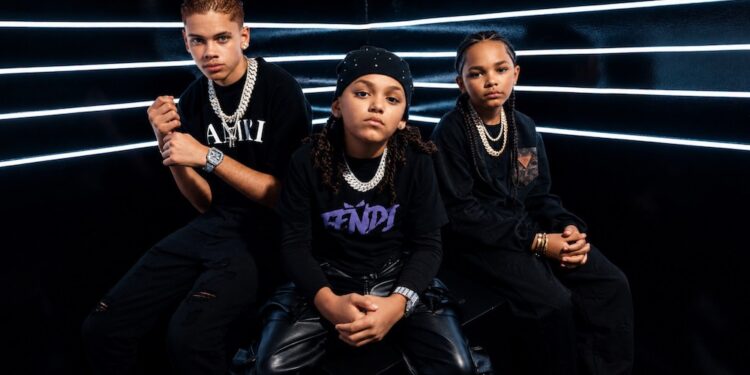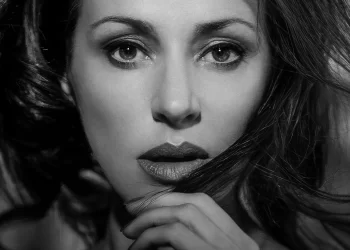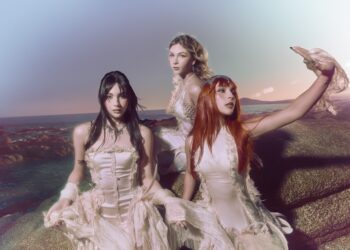

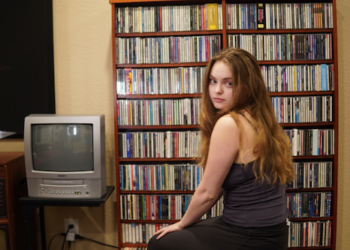
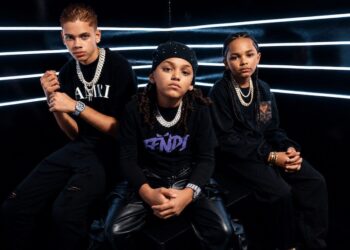
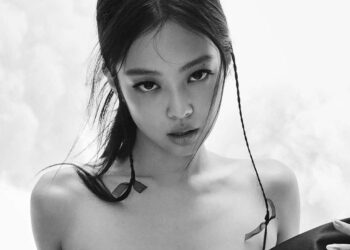
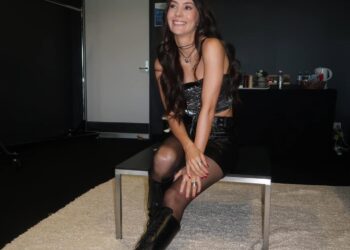
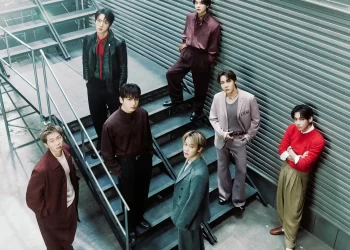
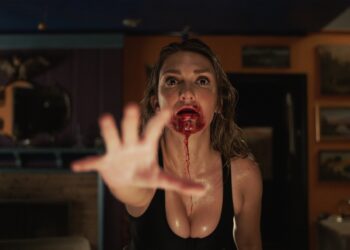


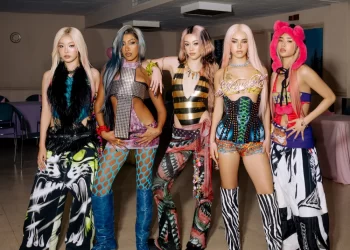
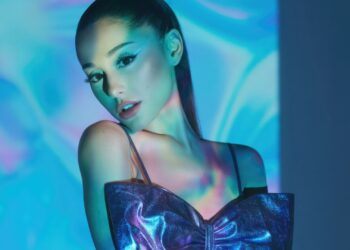
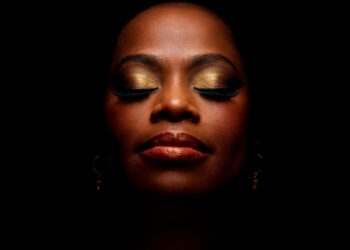
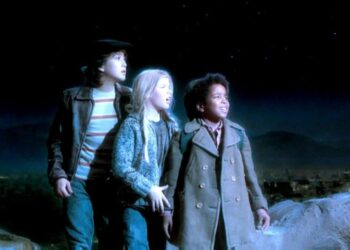

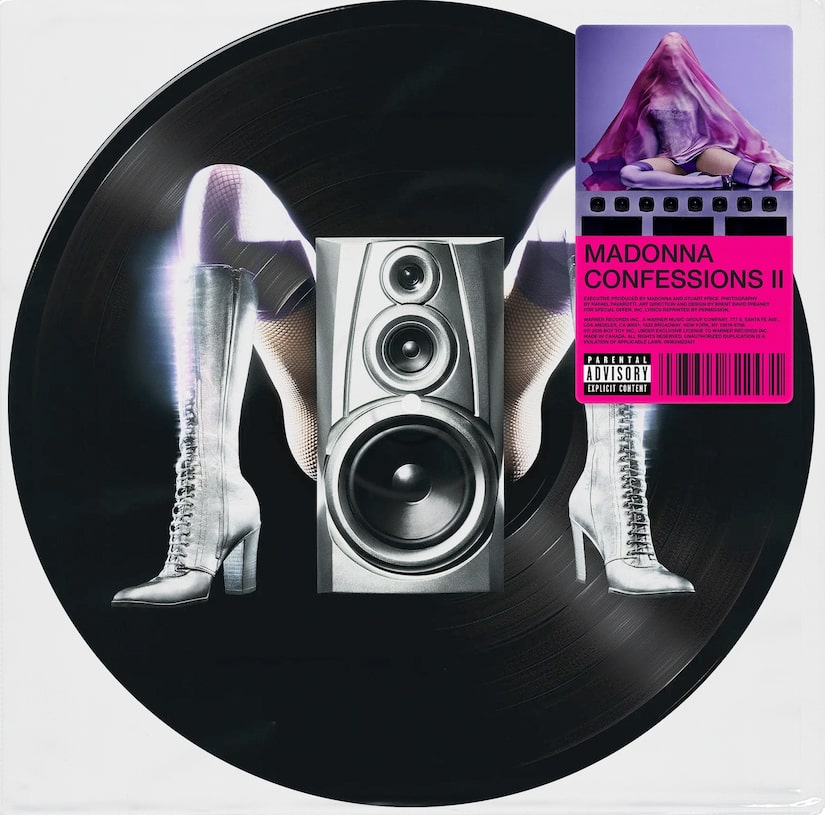
featuring: @madonna @madonnahq @stuartpriceofficial @lourdesleon
In November 2005, Madonna gave the world a pink, Farrah Fawcett-feathered miracle. Confessions on a Dance Floor wasn’t just an album; it was a global, gap-toothed, continuous-mix redemption arc that saved pop music from its mid-2000s lull. It told us that no matter how broken our hearts were, we could sweat it out under a disco ball.
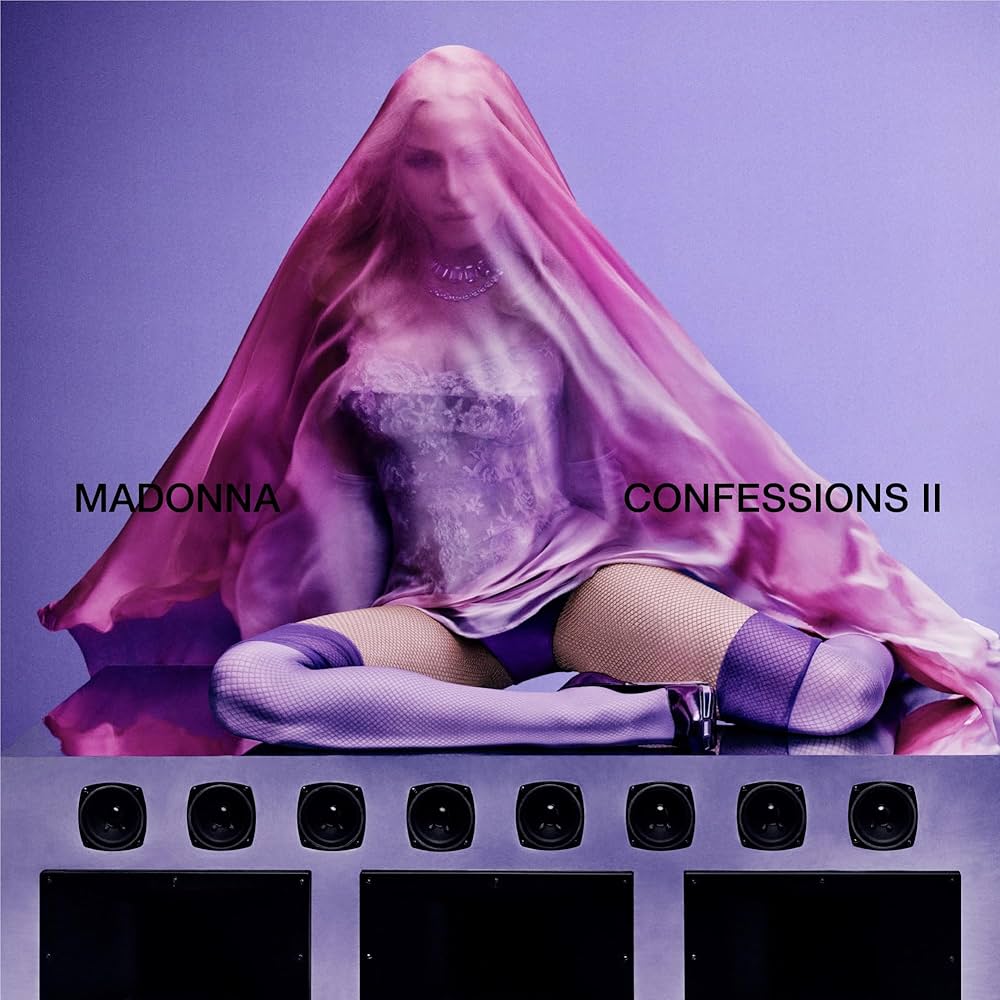
Now, flash forward 21 years to July 2026. Following the triumphant nostalgia trip of her Celebration Tour, (V) has done the unthinkable: she went back to the well. Reunited with her partner-in-crime Stuart Price, her fifteenth studio album, Confessions II (or Confessions on a Dance Floor: Part II), has officially dropped!.
As a ride-or-die Madonna fan, I’ll admit I was terrified. How do you follow up a flawless masterpiece? Can you really step into the same club river twice? It turns out you can; if you’re brave enough to let the current drag you somewhere much darker, deeper, and infinitely more intimate.
The Secret DNA: How the Two Albums Mirror Each Other.
On the surface, Confessions II feels like a spiritual twin to the 2005 record. They share the exact same architectural skeleton: a non-stop, continuous DJ mix where the tracks seamlessly bleed into one another. If the first Confessions was a 56-minute sprint through a futuristic Euro-disco, Confessions II is a 64-minute journey that starts at peak-hour rave and ends at the lonely, reflective 4:00 AM bar crawl.
The Stuart Price “Club Test” Strategy
One of the best pieces of lore from the 2005 sessions was that Stuart Price used to secretly test early versions of tracks like “Hung Up” by slipping unreleased instrumental dubs into his live DJ sets to see how real club crowds reacted.
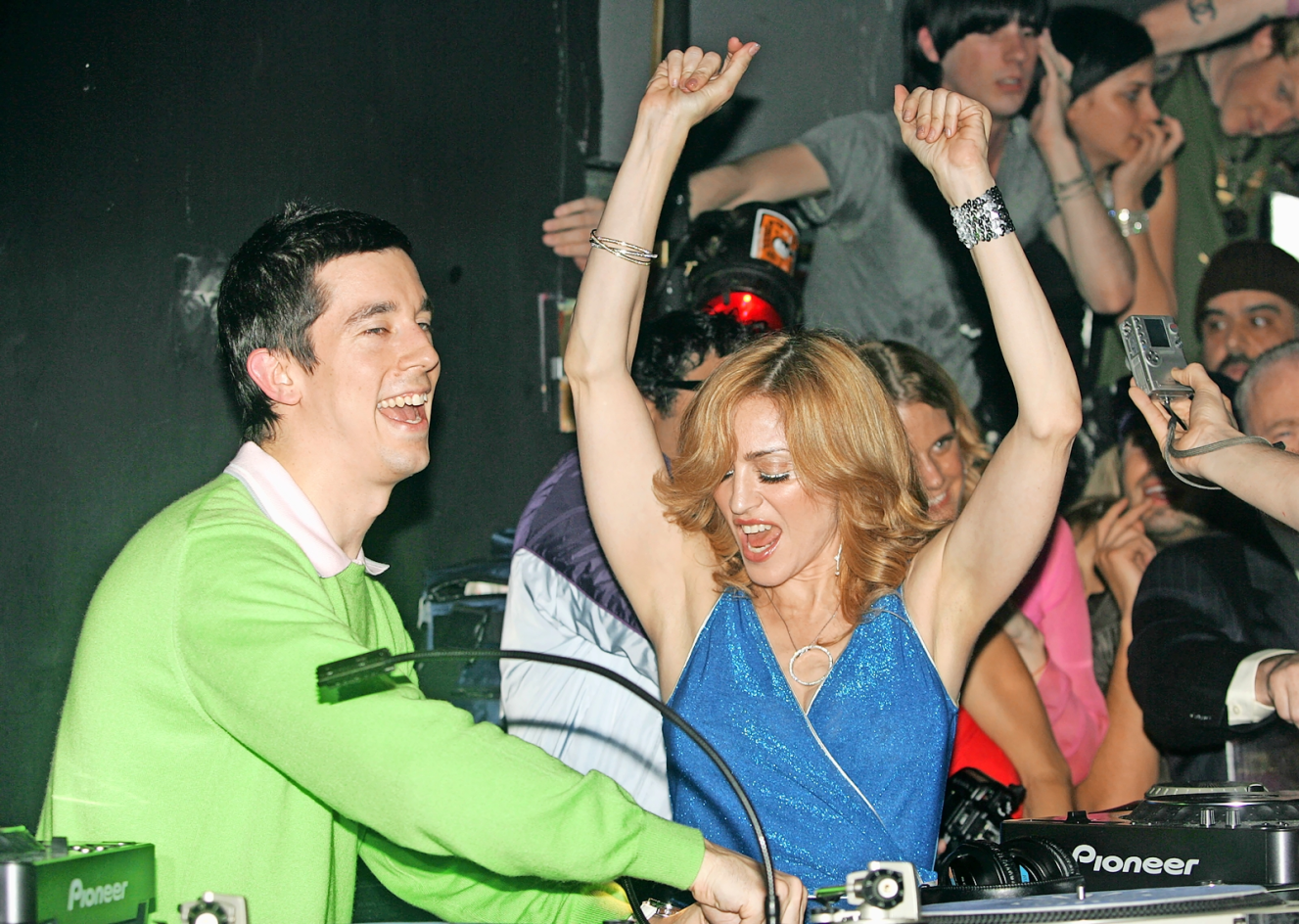
Hard-to-Find Fact: History repeats itself. For Confessions II, Price secretly resurrected this exact same undercover operation, slipping instrumental dubs of the new tracks into his recent club sets under a pseudonym to gauge the underground reaction before (V)adonna laid down her final vocals.
The Evolution: Where 2005 and 2026 Diverge.
While the first Confessions looked forward by borrowing from the glittering past (think the legendary ABBA sample on “Hung Up” or Donna Summer nods), Confessions II swaps out the pristine Euro-pop gloss for something grittier, heavier, and unapologetically old-school American underground.
- The Soundscape: Instead of polished English electronic pop, Madonna and Price pivoted to the raw, pulsing roots of Detroit techno and Chicago house.
- The Collaborators: While 2005 was almost entirely a two-man show with Price, the 2026 iteration expands the roster to modern avant-garde masters like Arca, Cirkut, Tainy, and Andrew Watt, alongside classic M collaborator Mirwais.
Trendy Lore & Deep-Cut Easter Eggs
If you want to talk about Confessions II like a true stan at a listening party, you need to know the hyper-specific references Madonna knitted into this record. It is an absolute treasure trove for pop culture nerds.
The Star-Studded Visual Film
Instead of a standard rollout, Madonna dropped a breathtaking 14-minute visual short film directed by the avant-garde fashion favorite TORSO. It premiered at the Tribeca Festival before hitting YouTube, and the cameos are dizzying. We’re talking Sabrina Carpenter (who duets on the funky house track “Bring Your Love”), Julia Garner (in a poetic nod to the postponed biopic), Kate Moss, Feid, Honey Dijon, and even British acting royalty Benedict Cumberbatch.
The Ultimate 1980s NYC Name-Drops
The standout track “Danceteria” is a flawless time-machine capsule to her early days in Manhattan. M doesn’t just sing about the club; she vividly paints the scene, name-checking iconic artists Jean-Michel Basquiat and Keith Haring, alongside the legendary real-life Danceteria doorman Haoui Montaug. To elevate the genius, the song brilliantly interpolates Lou Reed’s “Walk on the Wild Side,” bridging the gap between different eras of New York counterculture.
Masterful Underground Samples
- “I Feel So Free” (the airy lead single) brilliantly extracts the DNA of Lil Louis’s 1989 Chicago house classic “French Kiss”.
- “Bring Your Love” borrows heavily from Inner City’s timeless electronic anthem “Good Life”.
- “Betrayal” takes a wild, high-art turn by sampling French composer Erik Satie’s haunting “Gnossienne No. 1”, mixed by Mirwais.
Tears on the Techno Floor: The Intimate Core
The biggest difference between these two records lies in the emotional stakes. In 2005, Madonna was looking outward, recovering from the political backlash of American Life and a horse-riding accident by seeking pure, blissful escapism. In 2026, she is looking inward, using the dance floor to process profound grief.
The back half of Confessions II slows the tempo down, channeling the moody trip-hop atmospherics of her 1994 masterpiece Bedtime Stories. It’s here where the record gets devastatingly beautiful.
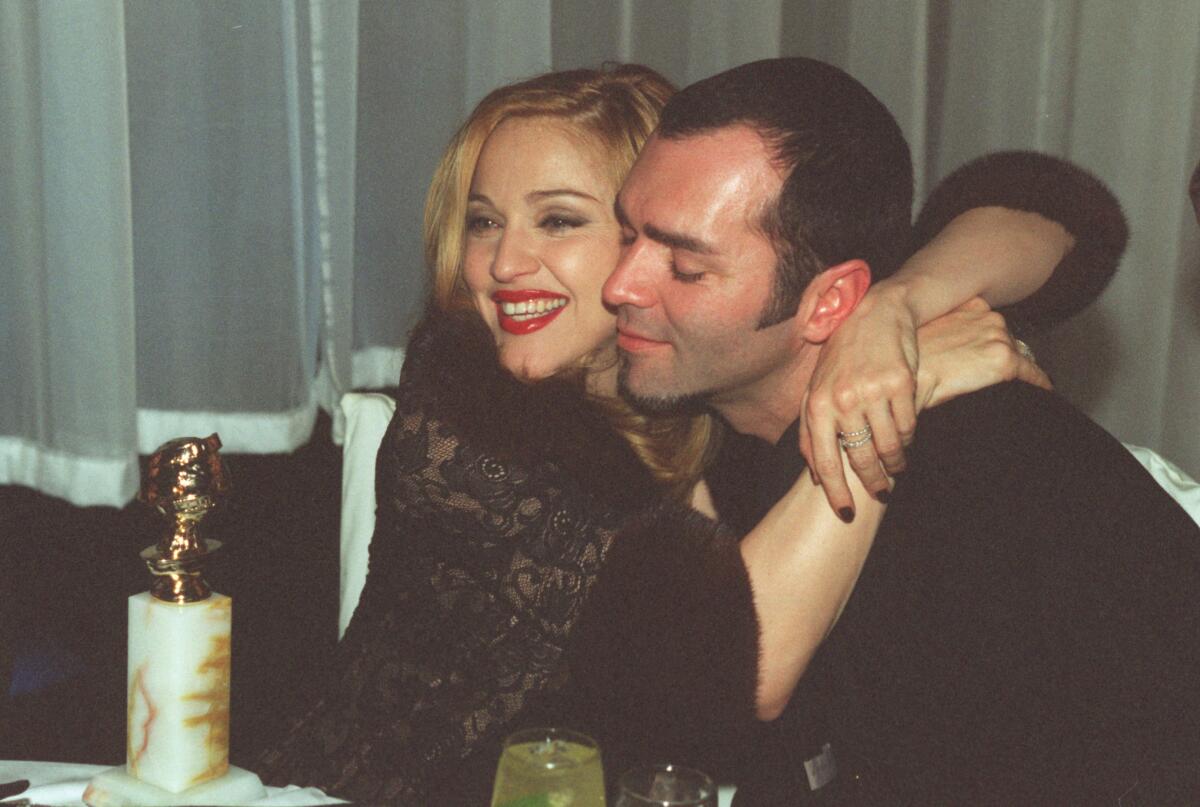
A Eulogy for Christopher
The track “Fragile” is a raw, acoustic-guitar-driven electronic ballad dedicated to her late brother, Christopher Ciccone, who passed away in late 2024 after a famously turbulent but deeply loving sibling relationship. Hearing Madonna whisper, “We shared a fragile bond… don’t forget about me, don’t forget to be happy,” over a skittering garage beat is enough to break any lifelong fan’s heart.

The Full-Circle Motherhood Moment
Then there is “The Test,” a gorgeous duet with her eldest daughter, Lourdes (Lola) Leon. For those who remember the spiritual awakening of 1998’s Ray of Light, “The Test” serves as the direct, lyrical sequel to “Little Star”—the song Madonna wrote for Lola when she was just a baby. Now, 28 years later, mother and daughter sing together about maternal remorse, accountability, and growing up in the blinding glare of fame. (And in true Leon fashion, Lola closes the visual film by looking at the camera and uttering a hilariously blunt, “Cut, bitch.”)
The Verdict: She Has Nothing Left to Prove.
Confessions on a Dance Floor was Madonna proving to the world that she was still the undisputed Queen of Pop.
Confessions II is (V)adonna realizing she has absolutely nothing left to prove to anyone; not even to herself. It doesn’t have a singular, world-shattering pop juggernaut like “Hung Up,” but it offers something far more vital: a coherent, fearless, and deeply artistic accommodation with her own legacy.
It reminds us that the dance floor isn’t just a place to lose yourself. Sometimes, if you stay out late enough and listen closely to the rhythm, it’s the only place where you can finally find yourself again.
Welcome back to the confessional, (V)otha. We never left.