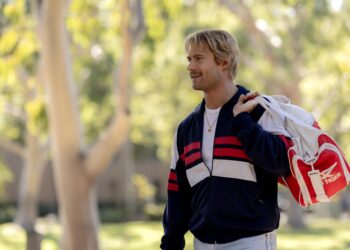






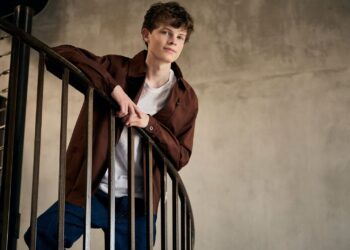






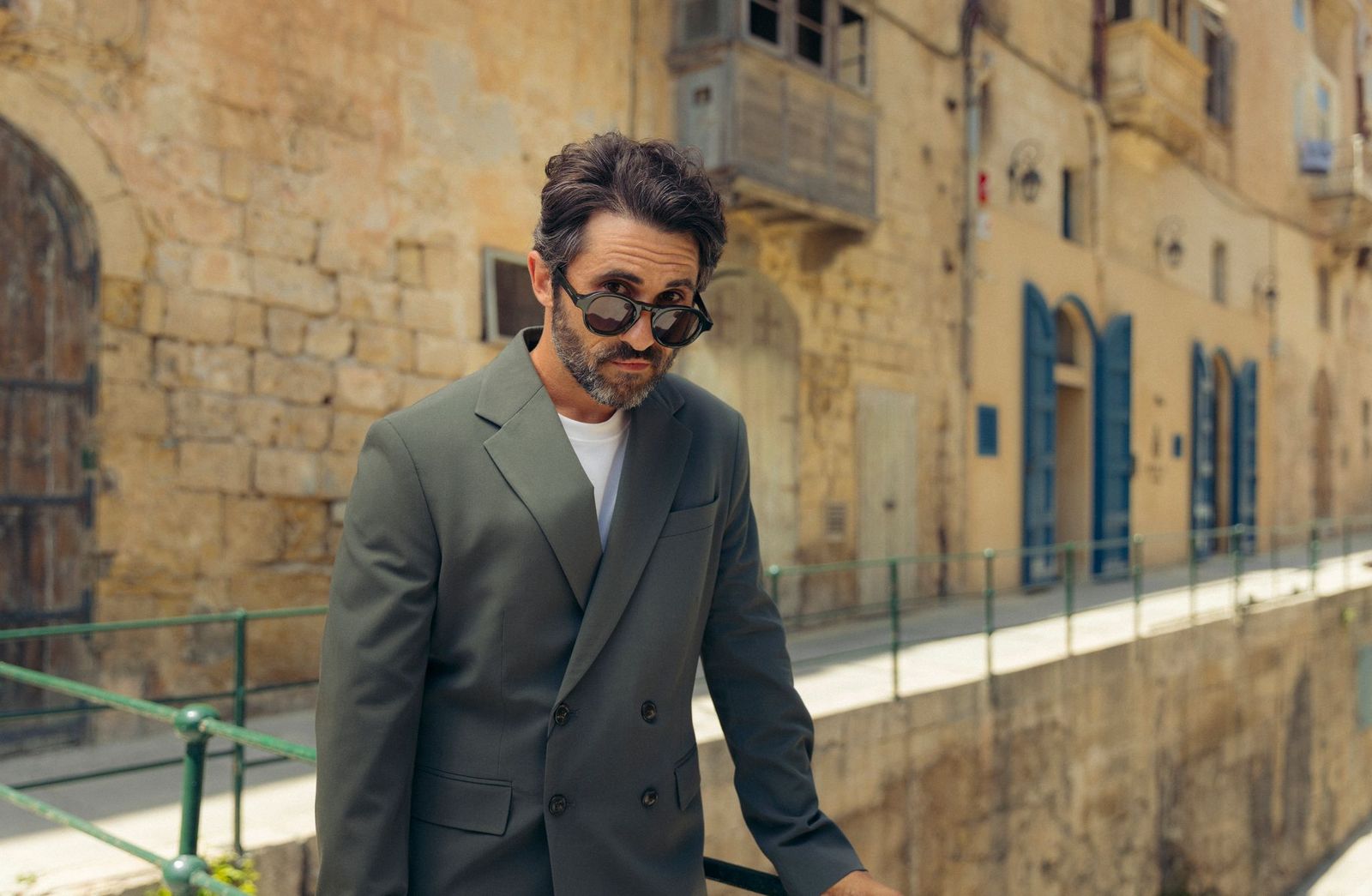
featuring @netflix @joeazzopardiofficial
Joe Azzopardi is an English-European actor of Maltese and British descent, who is best known for his work in the film, Enola Holmes 3, as well as his substantial on-stage performances. Azzopardi moved to London in 2010 where he attended the Mountview Academy of Theatre Arts headed by the Academy President Dame Judie Dench. It was there he was scouted during a production in 2013 and eventually cast in the BBC production of The Whale, alongside Martin Sheen and John Boyega.
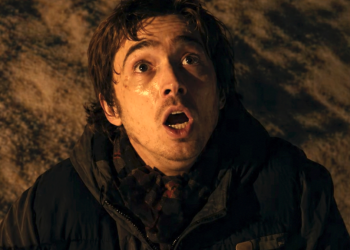
Azzopardi went on to be cast in multiple film and television productions, including Jurassic World: Dominion (Universal), The Madam Blanc Mysteries (Channel 5), and had a leading role in the award winning, International feature film The Boat, where he carried the entire film in this provocative one-man tour de force.
Most recently, Azzopardi has joined the cast as the lead role of Salvu in Xelter (De Laurentis Company), set to premiere in 2026.
As a true thespian when he is not busy on set, Azzopardi enjoys performing on stage. Some of his credits include the role of Valentine in ‘Two Gentlemen of Verona’, Don John in ‘Much Ado About Nothing’, Puck in ‘A Midsummer Night’s Dream,’ Mercutio in ‘Romeo and Juliet’ and Matthew in the award-winning play, ’They Blew Her Up’.
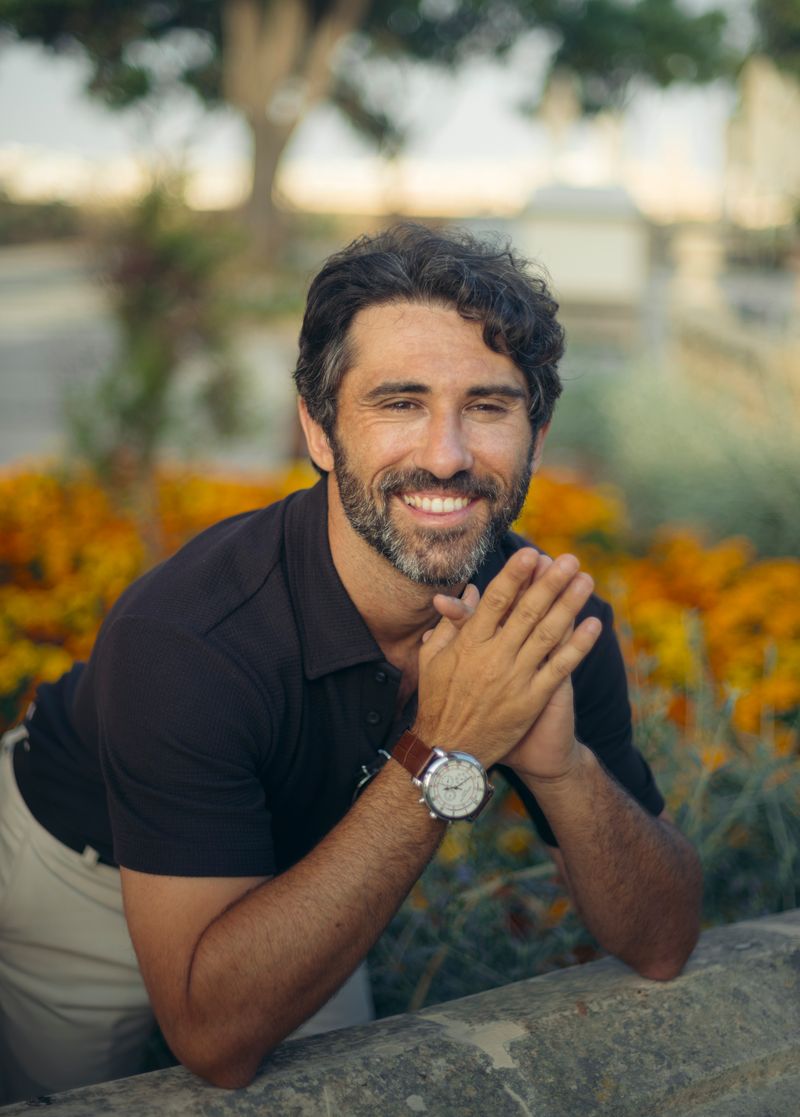
1. Enola Holmes 3 is set in Malta, your ancestral homeland. What was it like filming in such a personally meaningful location, and how did your Maltese heritage influence your portrayal of Mikiel Mizzi?
It’s a wonderful feeling of patriotism, seeing the place I grew up in suddenly become a Hollywood canvas. And it’s not just Enola Holmes 3 — Malta has hosted so many huge, epic films over the years. It’s been amazing to watch the island grow and change because of that. But what made this particular project special is how perfectly all the pieces fit together. You’ve got a UK production, a Maltese setting, and a director from Liverpool at the helm. It felt like everything was meant to be aligned. I would not have been able to pull off Mikiel without my connection to Malta. You have to not just know the language and accent, but to also know what it feels like to have been brought up on an island.
2. Mikiel Mizzi is described as a Maltese man with ulterior motives who crosses paths with Enola. Without spoiling anything, what drew you to this character, and what aspects of him did you find most interesting to explore?
He is the character anyone with Maltese roots would dream to play. He’s like this Victorian era, 007, who can fight and charm you at the same time. I found the oppressive side of what the Maltese went through under the British rule most fascinating. That feeling and knowledge stayed with me every time I stepped into his shoes.
3. You’re sharing the screen with Millie Bobby Brown, Helena Bonham Carter, and Henry Cavill in a massive Netflix franchise. How did working with such established stars shape your experience on set?
Millie is an excellent filmmaker; she’s an absolute powerhouse, brimming with creativity and ideas. What impressed me most was how generous she is with her surrounding cast — and she’s hilarious. Helena and I had a few moments during takes where we just couldn’t hold back the laughter. Though, honestly, that was mostly down to Helena being her wonderful self. She’s naturally funny without even trying. Himesh Patel too.
4. You trained at Mountview Academy of Theatre Arts under the presidency of Dame Judi Dench. How did that training prepare you for the transition from stage to major film and television productions?
I had some of the most fun, crazy, and experimental times at Mountview. It was where I really honed my craft, but the learning didn’t stop at the academy doors. London offered so much variety for my brain to absorb — live theatre, amazing shows, beautiful art, tantalizing music, and exciting pubs. The social life itself became a kind of training. It all fed into who I was becoming as a performer.
5. One of your breakthrough moments was being cast in the BBC production of The Whale alongside Martin Sheen and John Boyega. What was that experience like, and what did you learn from working with those actors?
The experience was the perfect stepping-stone I needed to take to transition from school to set. I actually chose to take the job on “The Whale” over doing my final year showcase. Which I was heavily advised against, but I was so eager to get on set that I went for it. And it paid off as I learnt so much. Working with that cast (Jonas Armstrong, David Gyasi, and John Boyega) was a baptism of fire. Not just in terms of acting, but on-set etiquette too. It was an invaluable experience I couldn’t have gotten anywhere else.
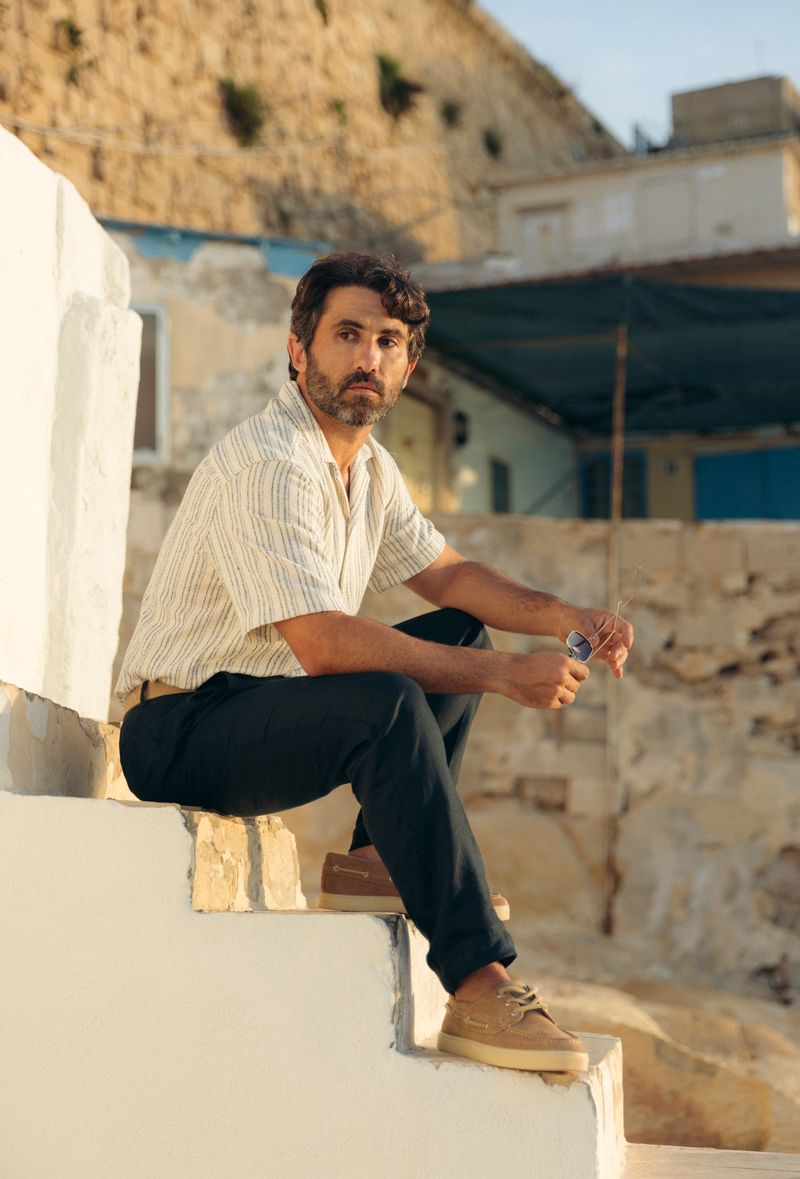
6. You carried the entire film in the award-winning international feature The Boat as a one-man tour de force. How did that intense, solitary role differ from ensemble projects like Jurassic World: Dominion or Enola Holmes 3?
Well, a one-man film taught me how valuable it is to have other actors to play off. Inanimate objects suddenly become characters. You’re not just memorising lines — you also have to memorise every action down to the smallest detail.
In the film, what he hears on the boat is what makes him believe someone is toying with him. But those sounds don’t exist on the day of; they’re all added in post-production. So, you have to create that entire psychological reality in your head. You’re reacting to something that isn’t there, which requires complete commitment and belief. So, it’s more of a solo experience from an acting perspective. The social life surrounding the production is just a bit more fun but can also have less of a family feel. When doing small indie films, it feels like you are a part of this crew on a small boat crossing a huge ocean. You know everyone’s name and it becomes quite similar to the regular office life. However, on these huge sets, you’ll continue meeting new people all the way up until you wrap.
7. You have a strong Shakespearean background on stage, playing roles like Puck, Mercutio, Valentine, and Don John. How does your classical theatre training inform your approach to modern screen roles?
It’s definitely the way I approach a script beforehand. Theatre taught me how much is learned through the rehearsal process; you have to do all that preparation in your own head before your first day on set. There’s a certain burst of energy I get on stage that I try to recreate on set, but it has to be far more contained. What reads as amplified and expansive on stage needs to be much more subtle for the camera.
I started acting on stage but grew up on film sets because of my father. They both feel like home to me. Stage being the happy, family-safe space and set being the chaotic madness of a huge family. I embrace both as home.
8. You’ve just wrapped the lead role of Salvu in Xelter for De Laurentiis Company. Can you tell us a bit about that project and how it compares to your other recent work?
Xelter takes place in Malta during World War II. Malta was one of the most bombed places during the war. Many Maltese citizens spent more time underground than above ground taking shelter from the air raids. Xelter starts with a village that gets hit by a bomb, and the crater uncovers an old catacomb. The villagers decide to take shelter in this catacomb. A group of boys go for a little adventure around the intricate underground when an entity called ‘The BABAW’ starts to come after them. ‘The BABAW’ is like the boogeyman in Maltese folklore. It’s quite metaphoric on how kids deal with the horrors of war. I play Salvu, a father of one of the lost kids. It’s my first time playing a father and it brought a whole new sense of responsibilities that I had never felt before.
9. You’re known for being quite adventurous — free diving, surfing, hiking, and playing squash and football. How do these outdoor passions help you stay grounded or prepare for the physical demands of acting?
I was always very adventurous and liked to push myself to take adventurous risks. Though when I was younger, there was always a lot more hesitation and doubt as to whether the risk would bring reward. But since I’ve come into my own as an actor, I’ve actually become more fearless. My reason being that if I can walk on to a set or stage with hundreds of people watching me, crawl on the ground, and start crying like a little boy… well, then, is doing this cliff jump really that scary? Or diving below 20 meters? Or plucking up the courage to take on the really big wave with a surfboard? So long as you keep yourself fit, and trust in your own body, the mind will also follow suit.
10. You’re fluent in Maltese and live in Malta with your Pomchi. How has returning to Malta influenced your career and personal life, especially as you take on more international roles?
I actually travel between both the UK and Malta. UK was the main hub for work; however, Malta has had an influx of films shooting there now. They juggle three-four films at once sometimes. So, I go wherever the work is. My time off is best spent in Malta close to the sea. Also… I’m currently the stepdad of a Pomchi while in Malta. The next dog I plan to get is a golden retriever. Hopefully the golden retriever does not eat the Pomchi!
SOCIAL MEDIA:
- Email: neill@outloudculture.com
- Socials: @frazer.live
- @neill.outloud