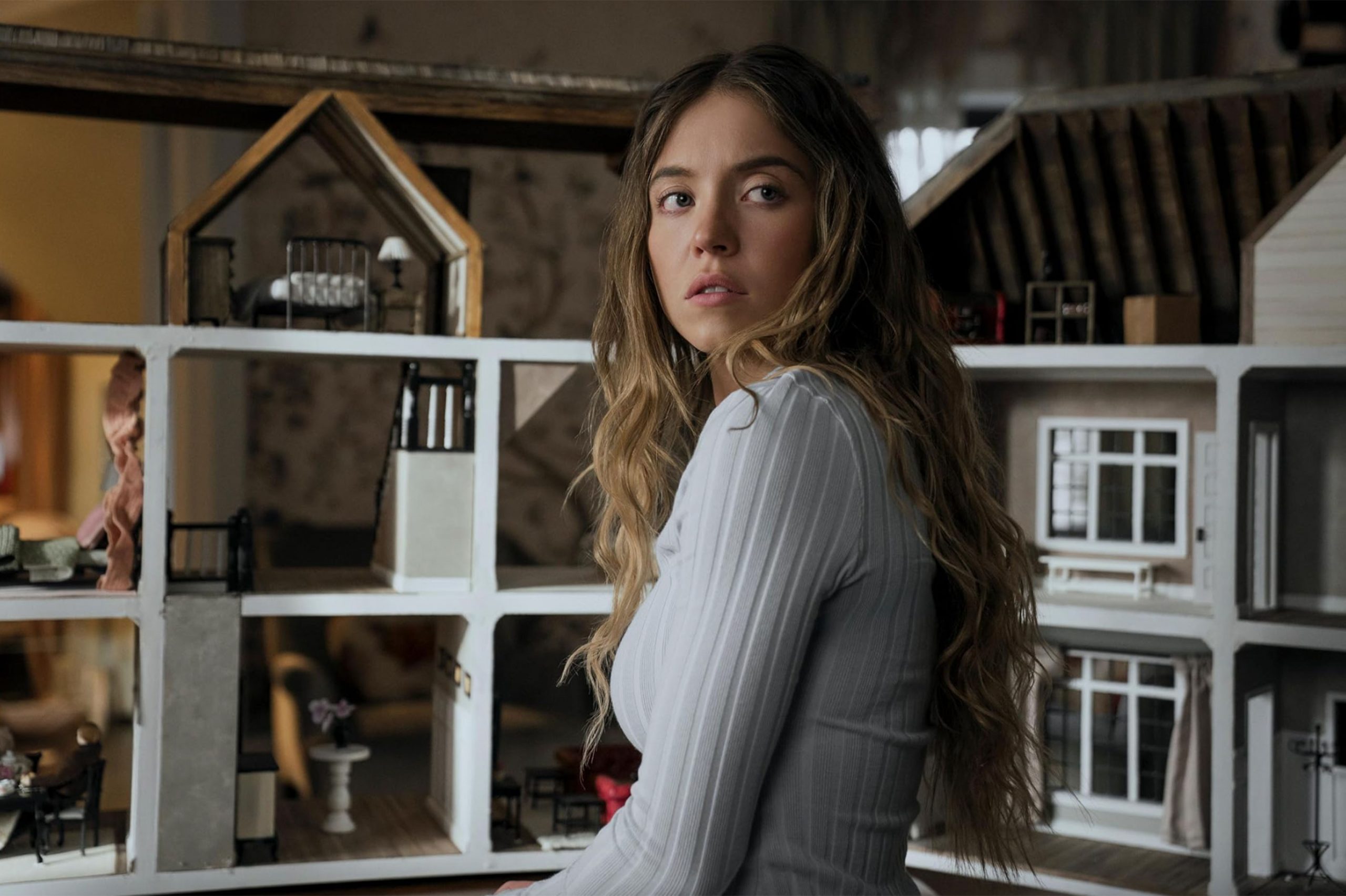



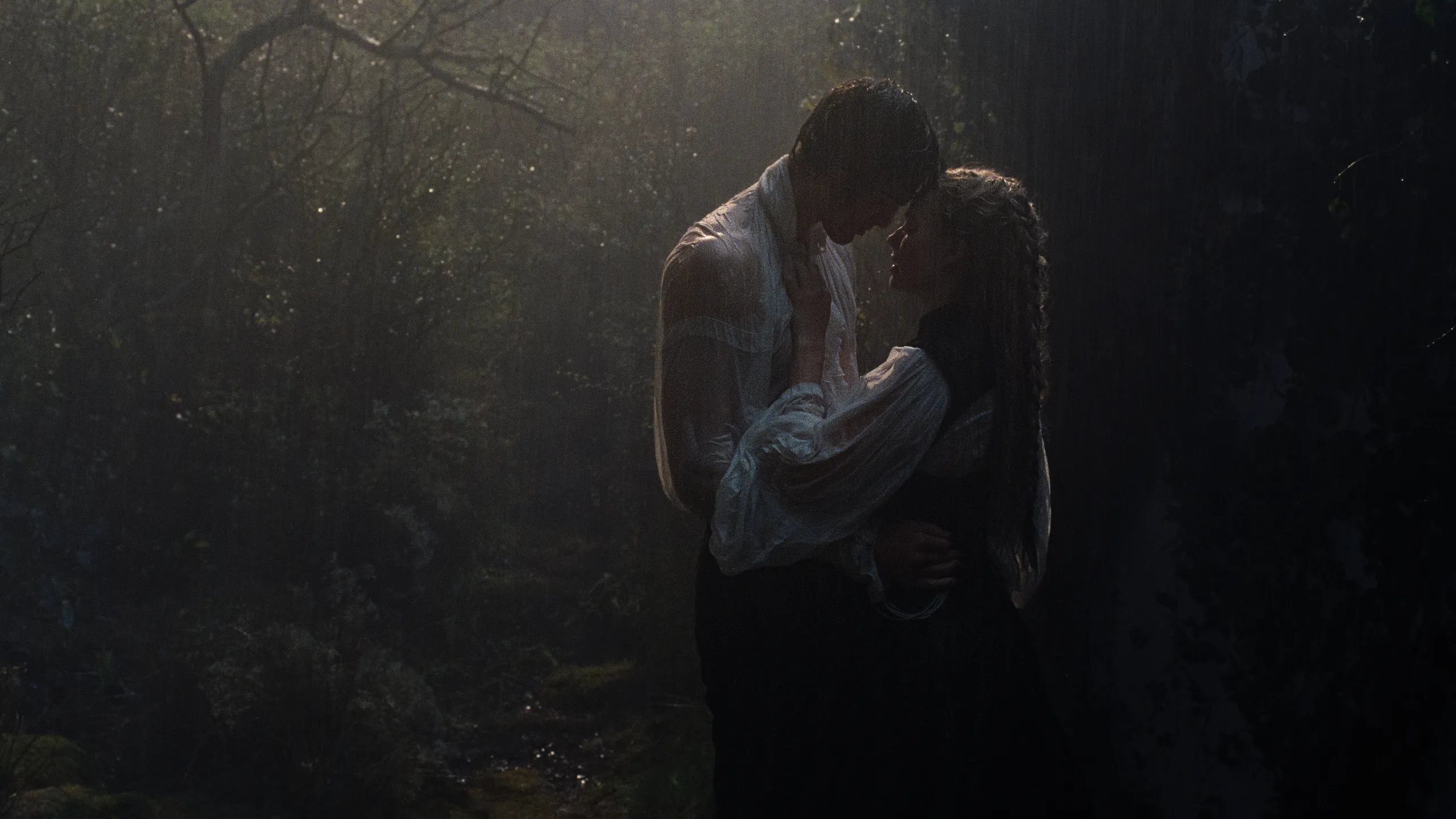
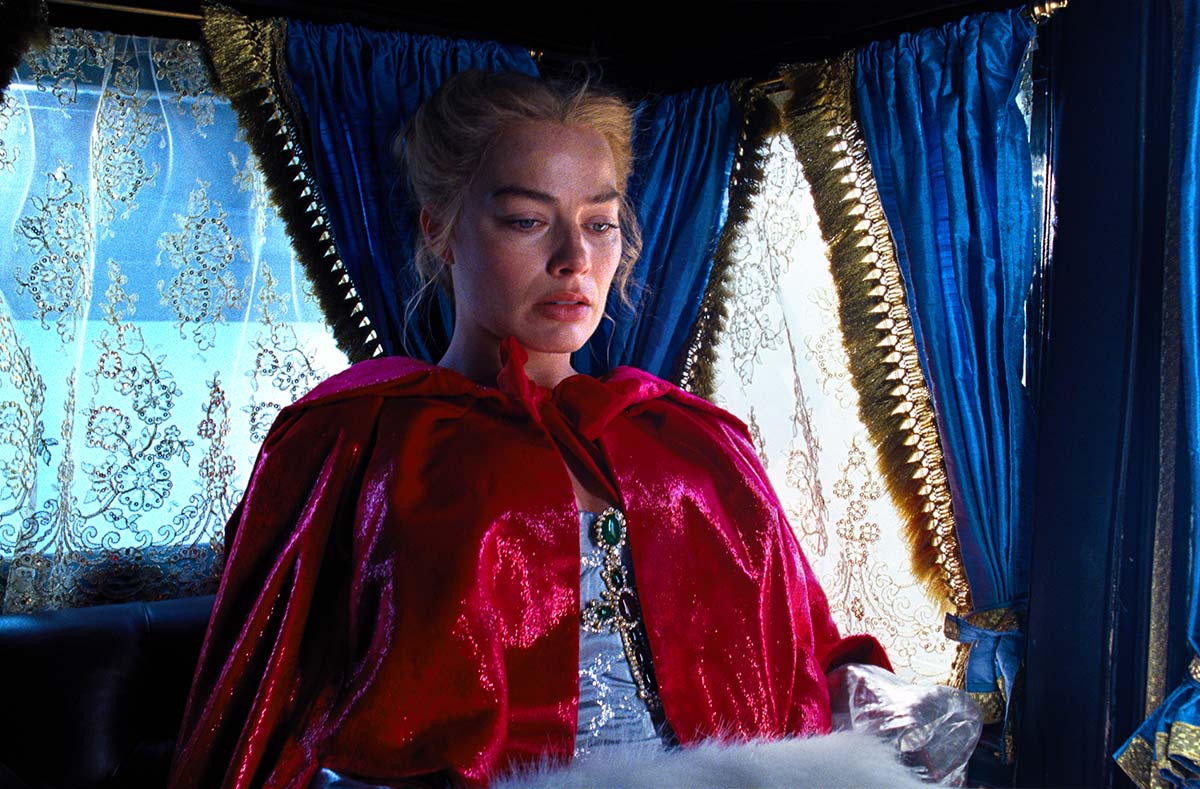
Emerald Fennell’s 2026 adaptation of Wuthering Heights reimagines Emily Brontë’s timeless gothic romance as a bold, contemporary fever dream, combining intense sensuality with stylized flair. Margot Robbie delivers a fiery and intense portrayal of Catherine Earnshaw, depicting her as a woman caught between societal expectations and raw, primal instincts. Her performance is electrifying, vividly capturing Cathy’s impulsiveness through provocative scenes against the wild Yorkshire moors, enhanced by Fennell’s bold, exaggerated visuals that challenge traditional period drama. This adaptation diverges notably from the original, embracing a more erotic and melodramatic style that emphasizes passion over subtlety, resulting in a provocative and mesmerizing experience that divides critics and audiences alike.
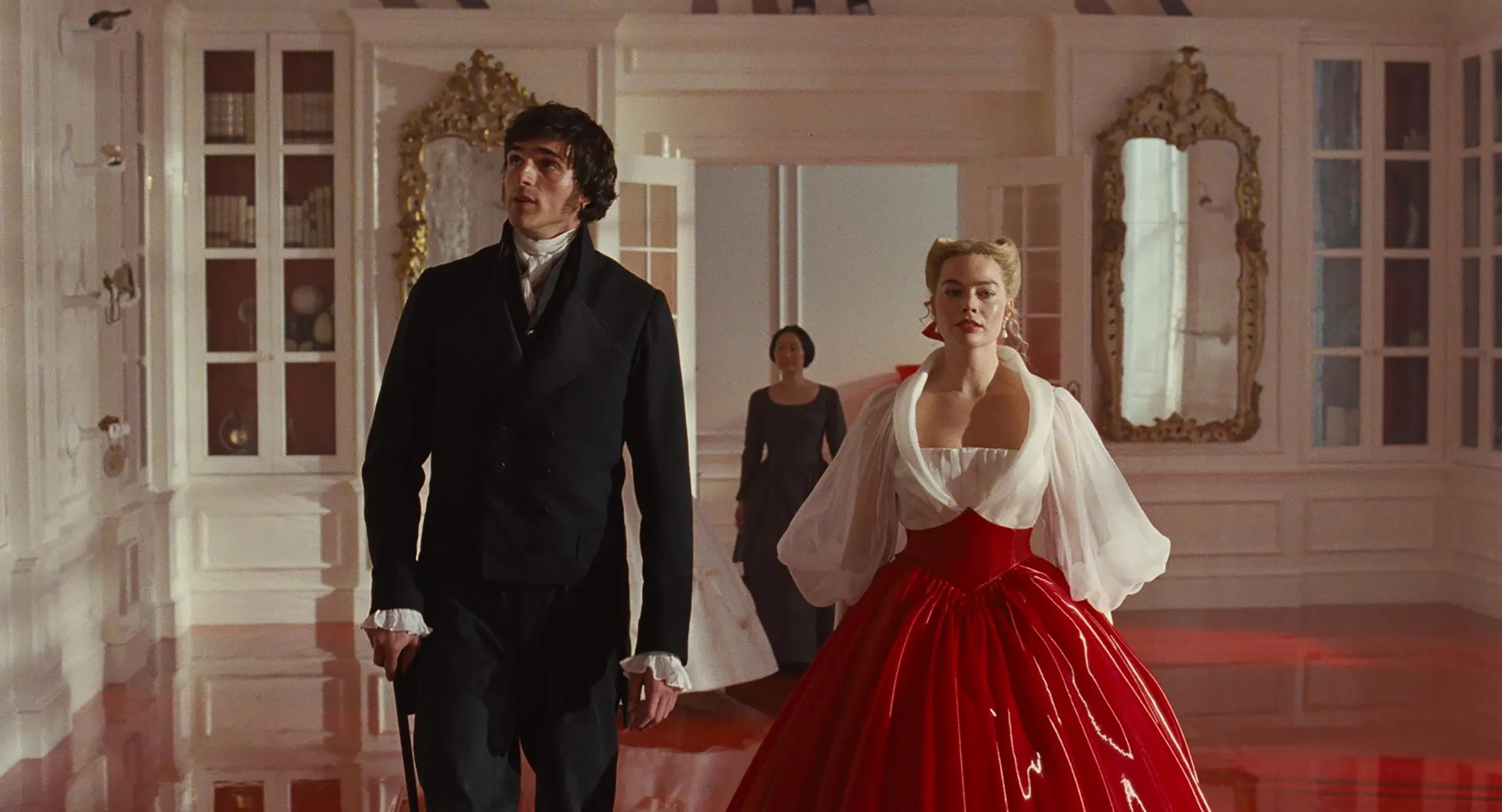
Jacob Elordi brings a dark, brooding presence to the role of Heathcliff, effectively conveying the character’s simmering anger and outsider status. His performance emphasizes Heathcliff’s vengeful journey, transforming from a tormented orphan into an obsessive anti-hero, while also revealing moments of raw vulnerability that hint at deeper emotional struggles. However, despite strong individual performances, the film’s effort to modernize the story sometimes feels unnatural, sacrificing some of the novel’s haunting ambiguity in favor of more overt emotional moments.
Despite the star power of Robbie and Elordi, the chemistry between the leads falls flat, lacking the electric spark needed to sell their doomed, all-consuming romance. Their interactions during passionate scenes feel more like choreographed set pieces than genuine eruptions of forbidden love. This absence of palpable tension undermines the core of the story, making the central relationship feel more like a concept than a lived-in obsession. Viewers expecting the kind of sizzling dynamic that defined past adaptations may find themselves yearning for more authentic fire between these two otherwise talented actors.
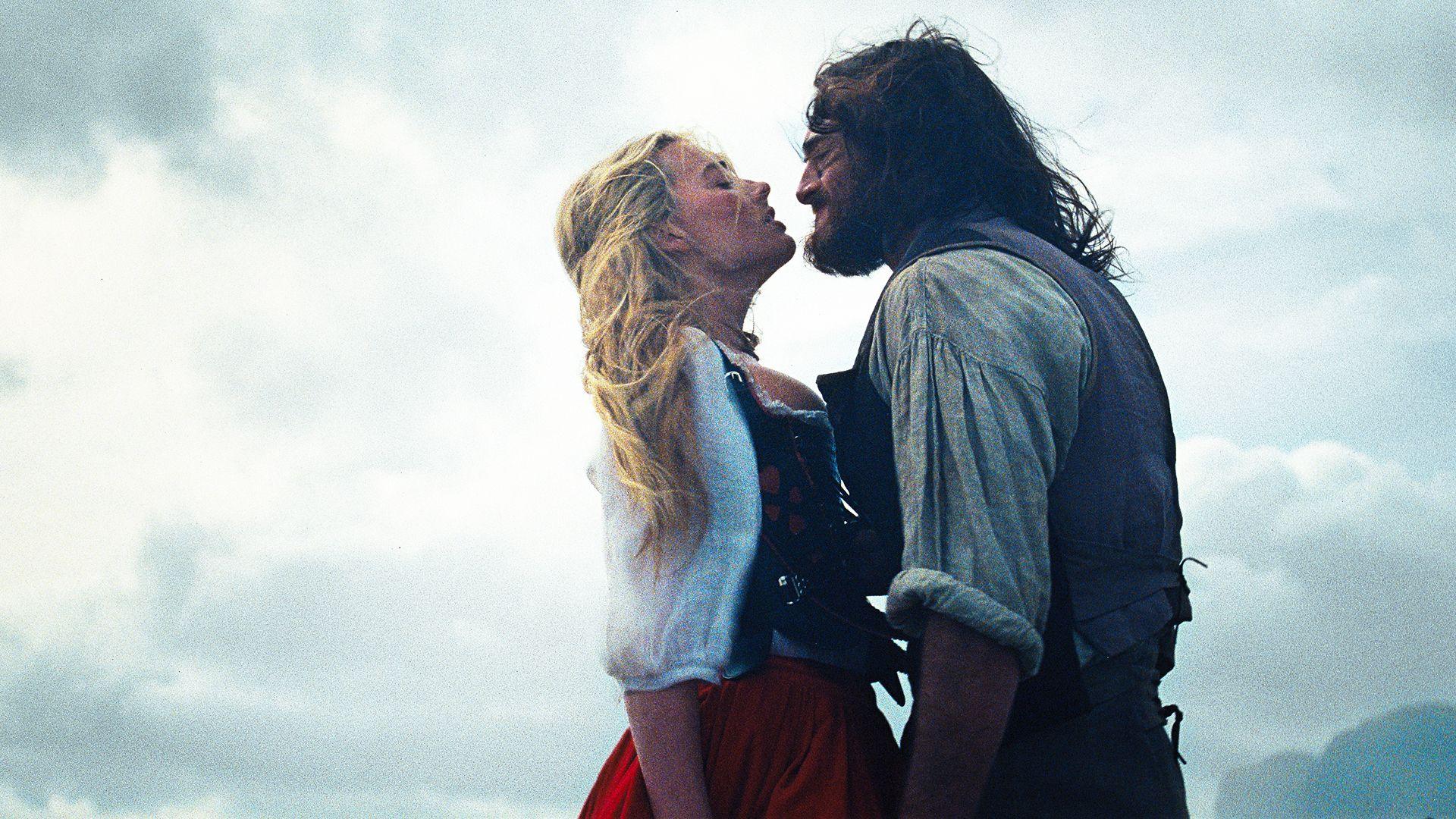
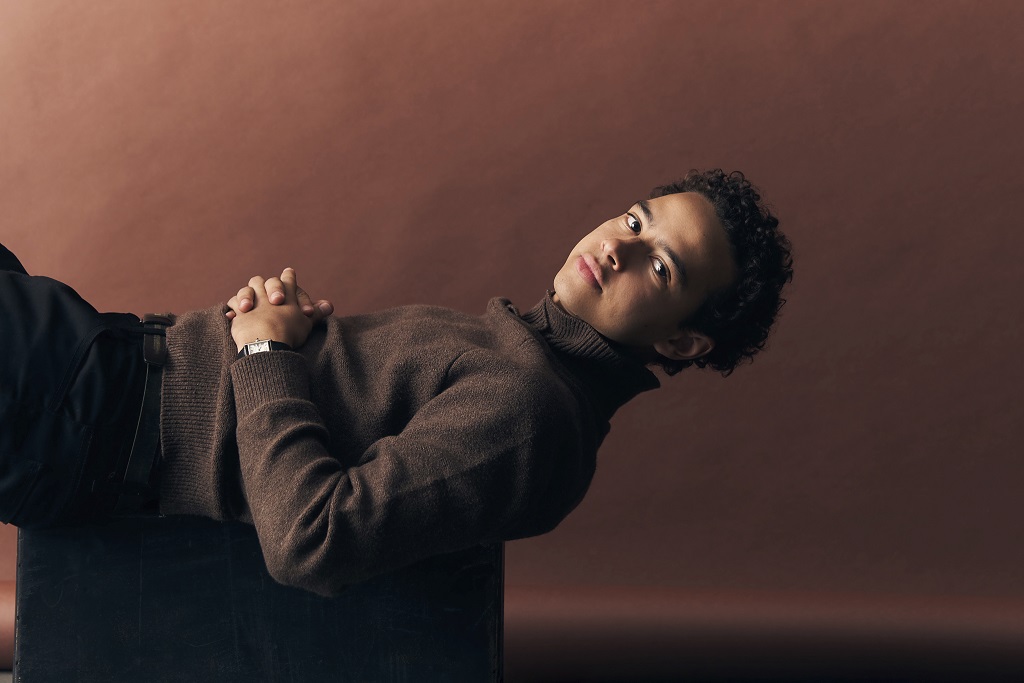
In contrast, the child actors portraying the younger versions of Catherine and Heathcliff deliver a standout chemistry that steals the early scenes and sets a high bar the adult leads struggle to match. Their portrayal of innocent, budding affection amid the harsh moors feels organic and heart-wrenching, capturing the purity of first love before it sours into tragedy. These young performers bring a natural blend of playfulness and intensity to their roles, transforming the flashbacks into more than mere exposition—they become emotionally impactful moments that enrich the story. Their authentic connection offers a touching foundation, reminding viewers of the story’s origins in youthful passion.
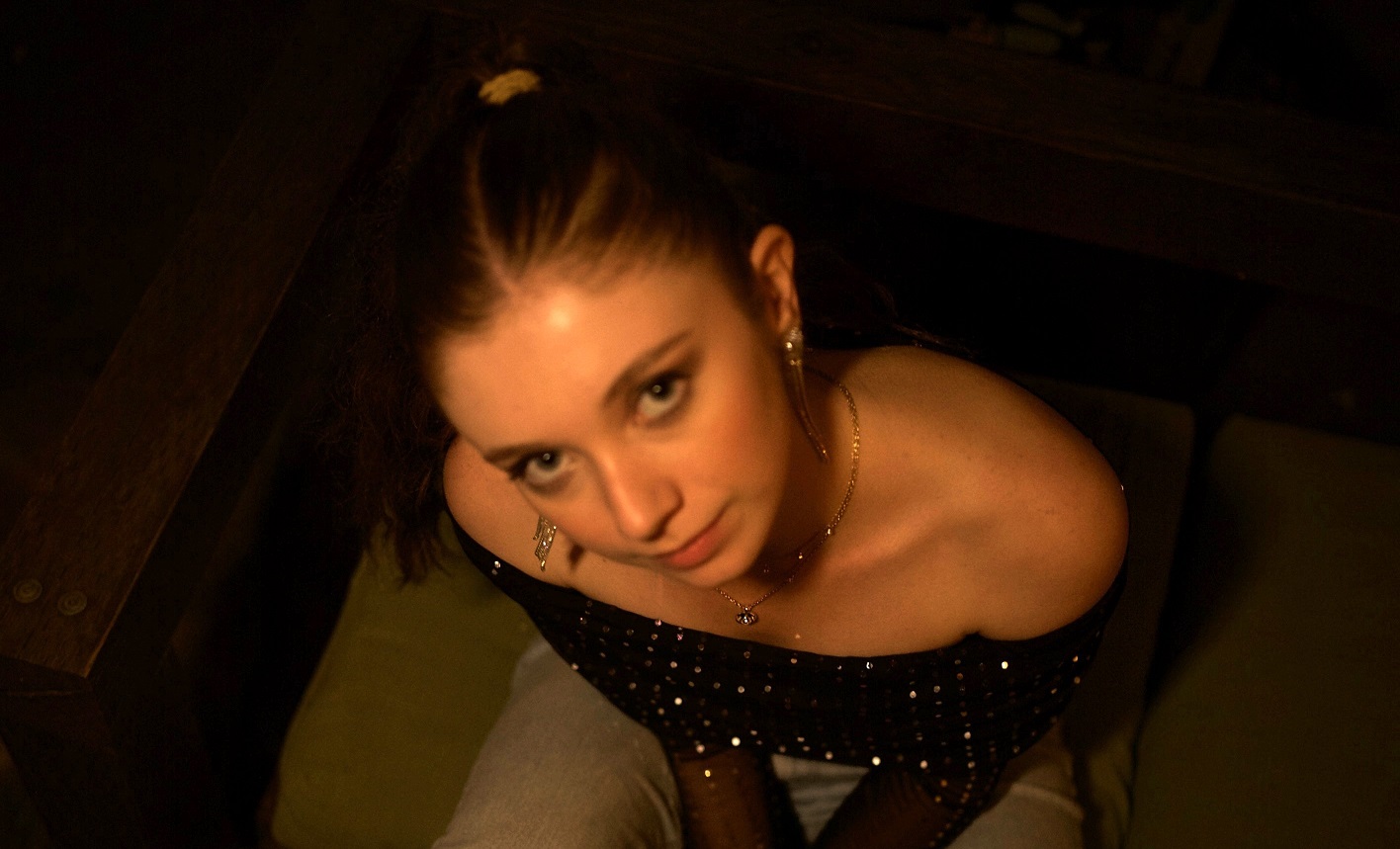
One of the film’s most captivating aspects is Charli XCX’s original score, which seamlessly merges hyper-pop beats with ethereal synths to craft a soundtrack that feels both timeless and electrifying. Her compositions are striking, featuring driving rhythms and haunting vocals that reflect the novel’s themes of obsession and inner turmoil. That said, the film could have benefited from lacing Charli XCX’s score more seamlessly throughout, rather than reserving it for select dramatic peaks.
Wuthering Heights thrives on its daring style and compelling supporting elements, such as the chemistry of the child actors and Charli XCX’s outstanding score. However, weak chemistry among the leads and inconsistent pacing hinder it from achieving true greatness. While purists might criticize the liberties taken with Brontë’s original story, fans of bold interpretations will likely admire Fennell’s unapologetic boldness. The film is a passionate, visually stunning work that prioritizes raw, visceral impact over strict fidelity—flawed yet undeniably vibrant and full of ambition.
- Email: neill@outloudculture.com
- Socials: @frazer.live
- @neill.outloud