

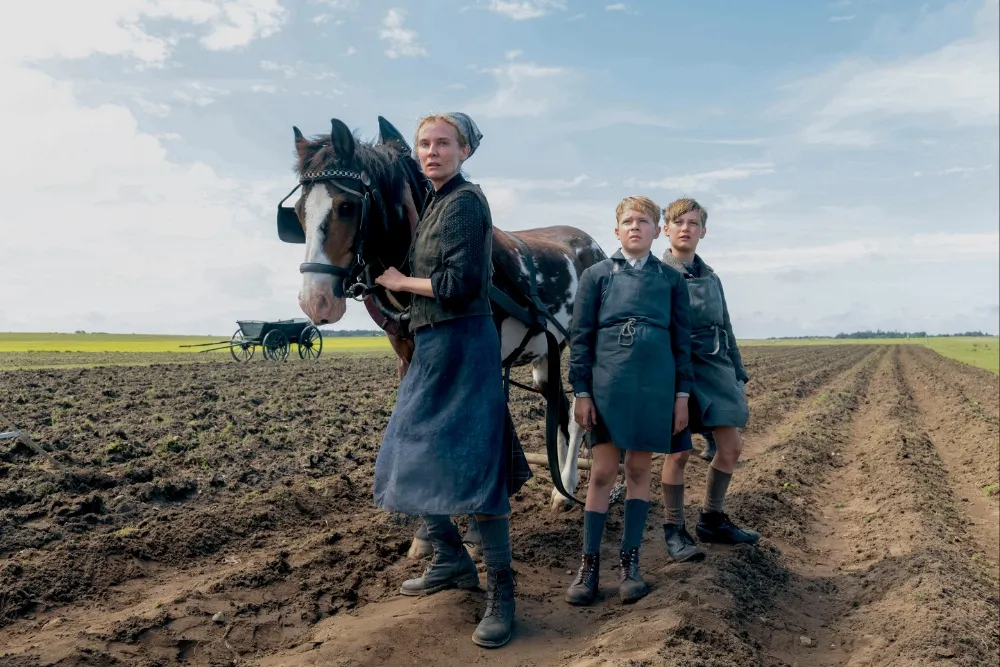
In the final, fragile months of World War II, a 12-year-old boy named Nanning finds himself on the remote North Sea island of Amrum. Evacuated from the bombed-out ruins of Hamburg, he joins a community shaped by the rhythms of sea, sand, and survival—hunting, fishing, digging potatoes, and gathering honey—while still wearing the ideological uniform of the Jungvolk, the younger branch of the Hitler Youth. What unfolds is a quiet, patient portrait of a child’s moral awakening amid the slow collapse of the world he was taught to worship.
Fatih Akin took on the role of director for this film, based on a screenplay he co-wrote with his late mentor and friend, Hark Bohm. Bohm’s childhood memories inspired the story. Unlike Akin’s usual intense and gritty style, as seen in films like In the Fade, this film has a more traditional, calm, and almost peaceful tone. It is labeled as “a Hark Bohm film by Fatih Akin,” which is a heartfelt tribute and shows respect for Bohm’s influence. Bohm, who passed away shortly after the film was shown at festivals, even makes a touching cameo appearance at the end. Overall, the film lovingly and humbly honors its origins. The result is a film that honors its source with humility and grace.
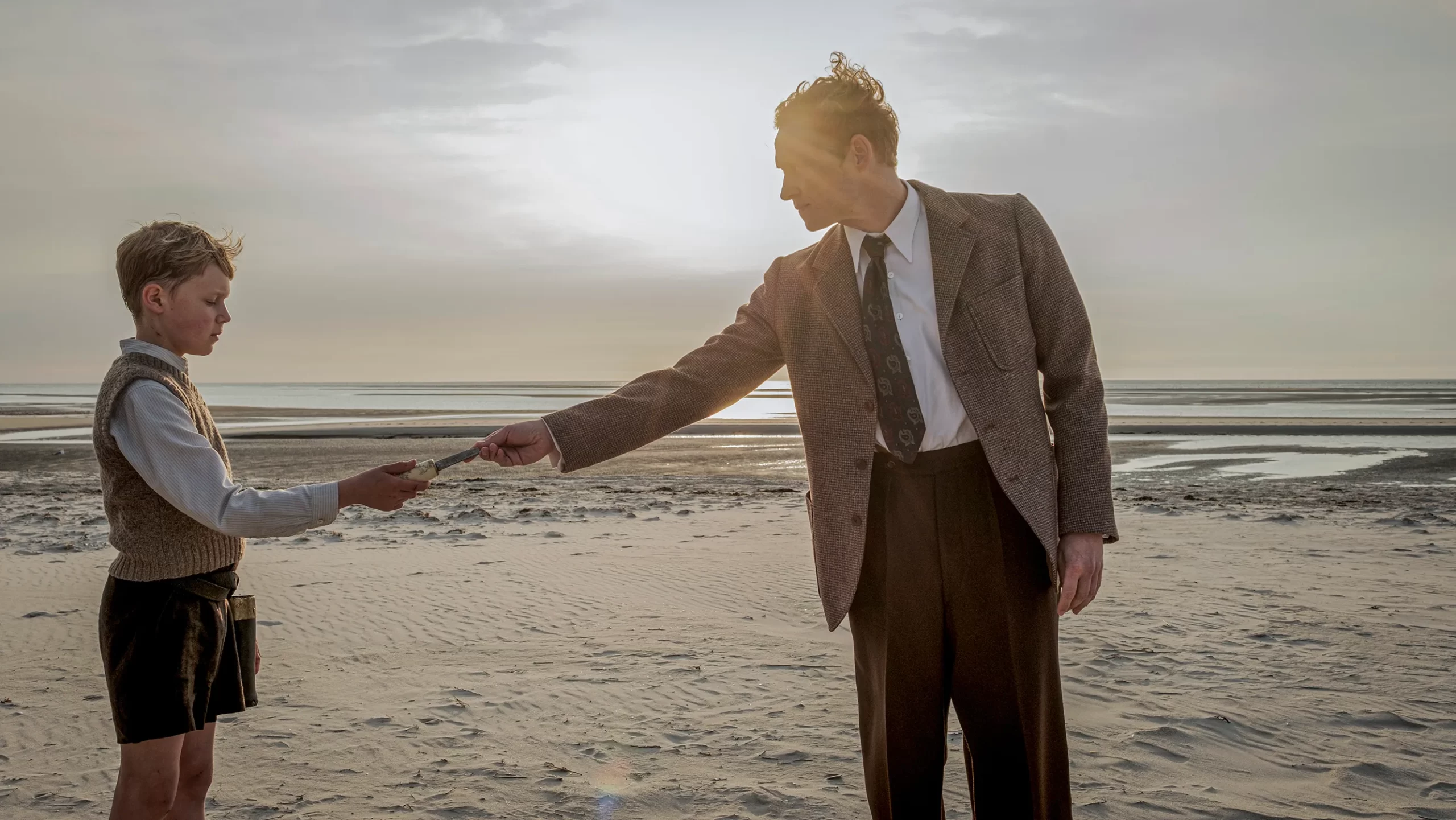
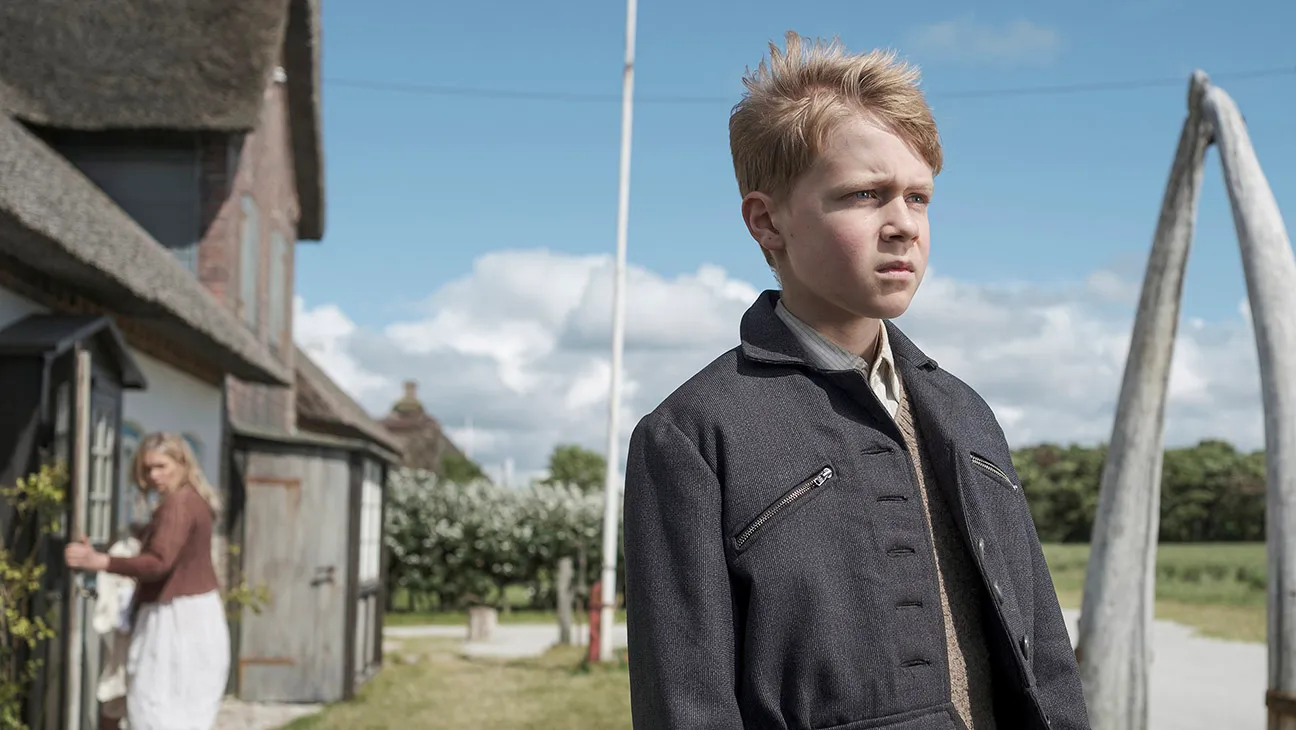
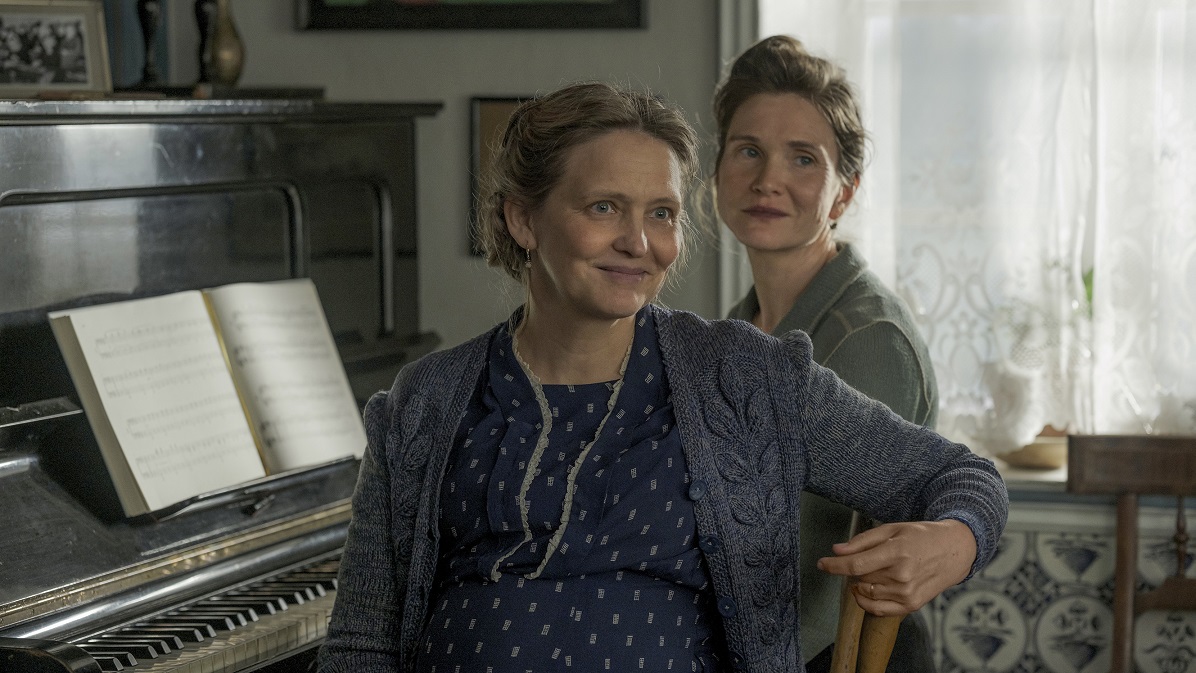
At the heart of Amrum is young Jasper Ole Billerbeck’s remarkable debut performance as Nanning. He carries the film with a natural, unforced presence—loyal to his parents yet slowly sensing the cracks in their worldview. The other characters, like Diane Kruger and Matthias Schweighöfer, add depth to the story without taking attention away from the child’s point of view. The island itself feels like a character too—this scenery highlights the contrast between their personal struggles at home and the vast, indifferent beauty of nature.
The story moves at a deliberate, dreamlike pace. Nanning’s days are made up of simple daily tasks like looking for food, taking care of family, and dealing with community problems. Through these small actions, the film shows how fascism influences everyday life, how children absorb propaganda as naturally as learning to fish, and how doubt starts with small, uncomfortable questions instead of big, dramatic moments. It doesn’t rely on cheesy emotions or cartoon villains. Instead, it shows how harmful ideas can secretly control families and how hard it is to break free from them. A powerful scene where a mother’s labor pains happen at the same time as news of the war ending highlights the film’s deeper themes: the end of one world and the beginning of another.
A soul-stirring, beautifully crafted coming-of-age drama. It may not shake you violently, but its quiet power and thoughtful exploration of ideology, family, and awakening make it one of Akin’s most mature and affecting works. Highly recommended for those who appreciate restrained, character-driven historical cinema. The performances and the hauntingly lovely depiction of island life elevate it beyond a standard wartime tale into something more timeless and reflective.
Amrum arrives at the German Film Festival in Perth from 7 – 27 May.

- Email: neill@outloudculture.com
- Socials: @frazer.live
- @neill.outloud





Leave a Reply