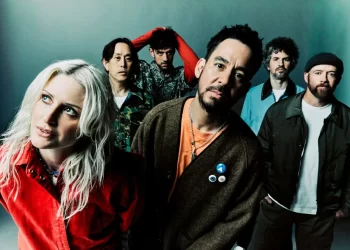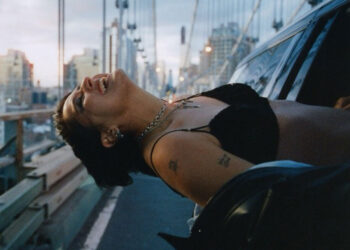
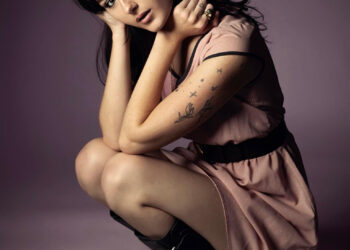
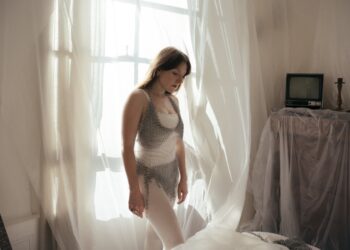
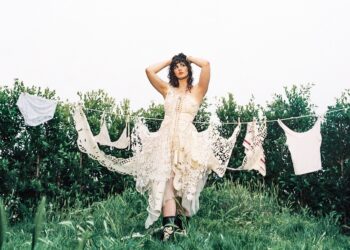

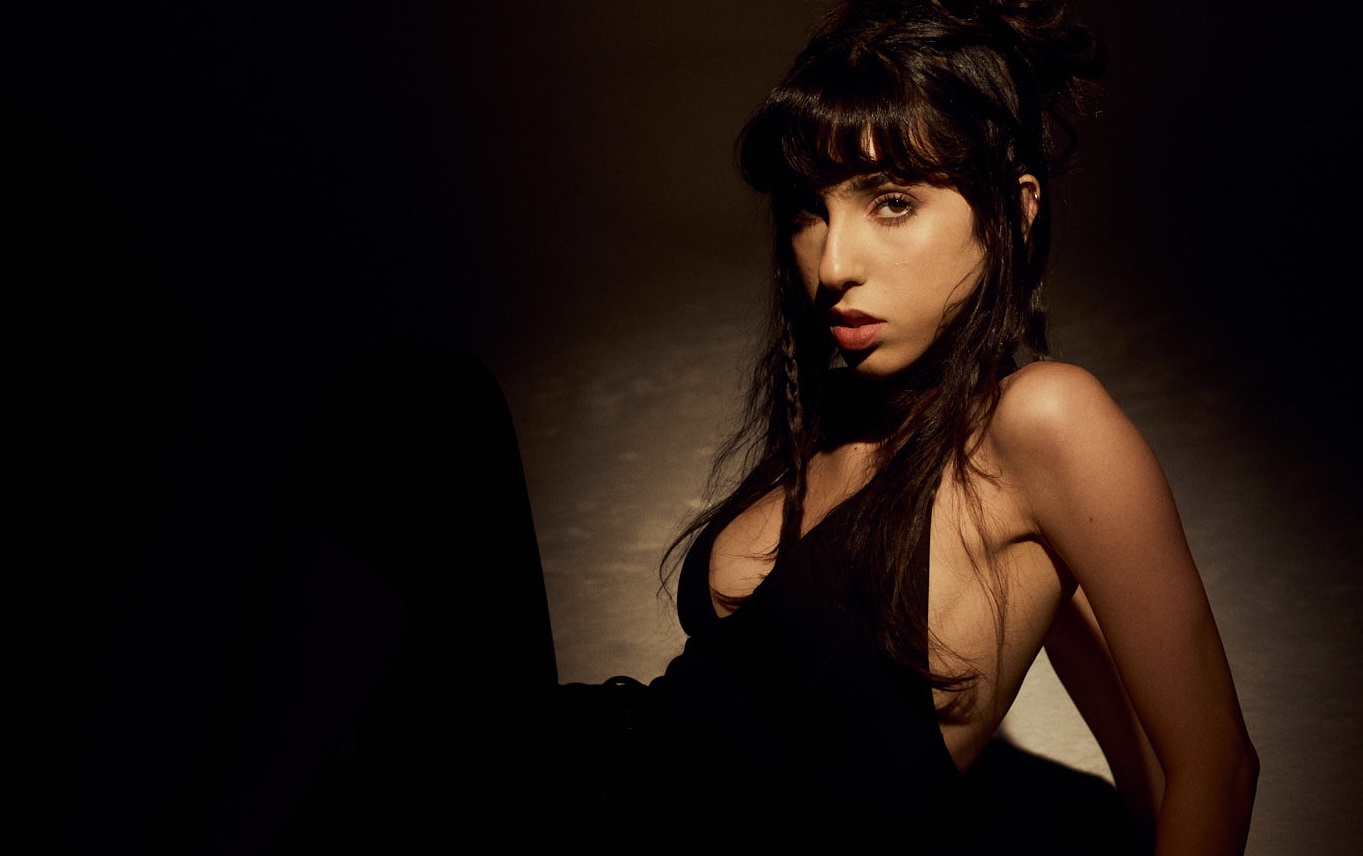

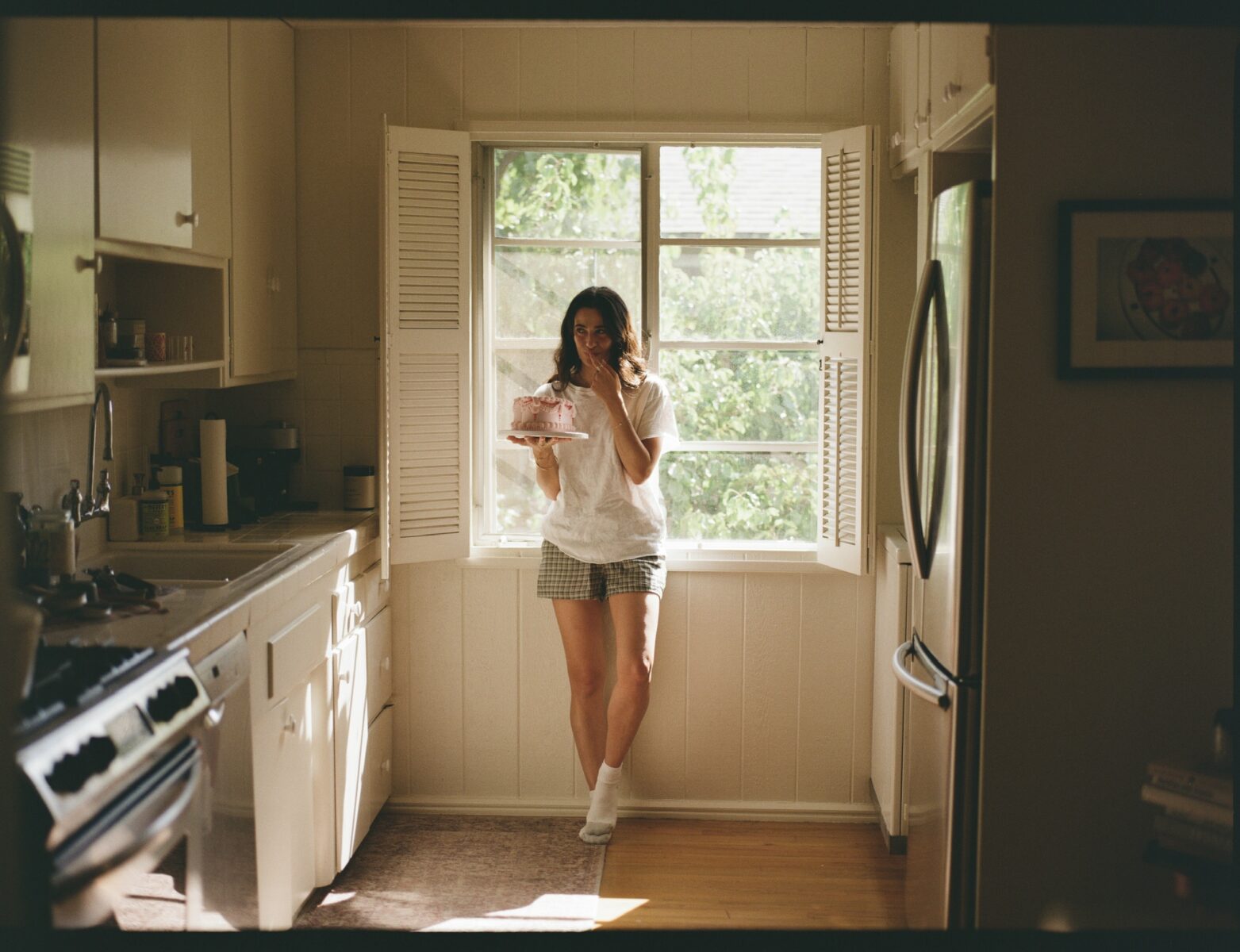
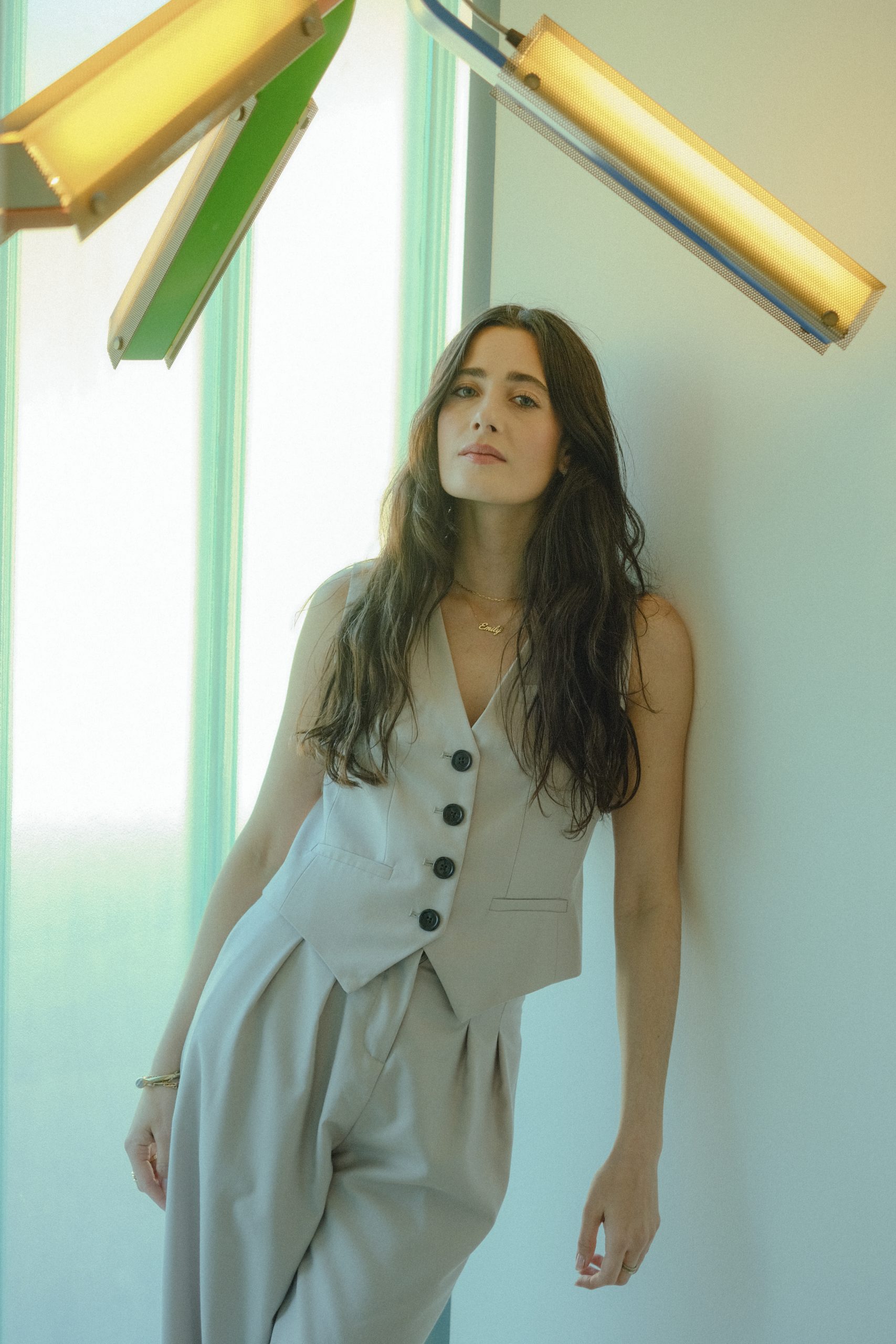
featuring @emilyyysinger
1. What first inspired you to write Doll Baby, and at what point did you realize Jolie’s story needed to become a novel?
I actually had the idea in high school, prior to the movie Boyhood. I thought it would be so cool to witness one girl through adolescence, into adulthood. But I think I needed enough distance from those experiences to be able to look at them clearly. There’s a version of this book I could have written at twenty that would have been too raw and too close. By the time I actually wrote it I had just enough perspective to be honest and evocative without being self-indulgent. That’s when I knew it was ready to be a novel. When I could finally see Jolie from the outside as much as the inside.
2. Jolie spends much of the book wrestling with identity and performance. Why was it important for you to explore the idea of womanhood through that lens?
Because I lived it. I live it, now, to some extent. I think most women do, to some degree. This constant, exhausting negotiation between who you actually are and who you believe you’re supposed to be for your parents, your friends, the guy you love, the room you just walked into. And Los Angeles amplifies that tenfold. It’s a city entirely built on image and growing up here, you absorb that. You learn very early on that how you’re perceived matters, sometimes more than who you actually are. Jolie is a product of that environment, and watching her slowly unpeel all of it and ask herself who she is when no one is watching felt like the most honest story I could tell.
3. The novel captures both the glamour and emptiness of places like Calabasas and Hollywood. How did your own experiences growing up in that environment shape the world of the book?
Growing up there, you’re constantly aware of two things at once–how beautiful it is and how hollow it can feel. That duality is probably why it’s so mystified and intriguing, honestly. In Jolie’s version of The Valley, there’s a combination of extreme wealth–that she’s aware doesn’t exist in most places–and also, extreme boredom. Beautiful homes and nothing to do, parents who are successful and distracted, kids who have everything and think it’s normal. The Valley is this perfectly manicured, emotionally claustrophobic bubble. While Hollywood, a symbol of fame and wealth, looms like a shiny omen. Something you may spend your whole life chasing and never catch.
4. Doll Baby feels deeply intimate and emotionally raw. Was there ever a moment while writing where you felt vulnerable putting Jolie’s inner world on the page?
So many. Every day. Every chapter. Writing something emotionally intimate requires a level of vulnerability that can feel incredibly exposing. But to me, that kind of vulnerability was the entire point. If even one person sees themselves in it and feels less alone, its worth it.
5. The book moves away from a traditional coming-of-age structure and instead feels like a slow unraveling and rebuilding of self. What drew you to that approach?
I think that’s the most honest journey of womanhood. There’s a saying that men are born at the bottom of the mountain and spend their lives climbing toward the top, while women are born at the top and spend much of their lives trying to remember that. That idea always stayed with me.
I think many women are conditioned to believe that they need to earn love, validation, or worth. To be chosen by other people in order to feel complete. But the real journey, at least for Jolie, is realizing she first has to choose herself, first and foremost. That felt much more emotionally true to me than writing a neat, traditional coming-of-age story where everything resolves cleanly. Growth is often messy, nonlinear, and painful before it becomes liberating.
6. Which authors, filmmakers, or artists influenced the tone and atmosphere of Doll Baby?
Authors I’ve mentioned many times and feel drawn to were Anaïs Nin, Emma Cline, Lisa Taddeo, Dolly Alderton, Eve Babitz, amongst many others. I love the way Sofia Copolla captures girlhood in her films. I loved The Virgin Suicides (book and film). I grew up obsessed with the film, Thirteen. It’s such a specific portrayal of girlhood and how dark it can actually get.
7. Much of the novel explores attention, validation, and the desire to be chosen. Do you think social media and modern culture have intensified those pressures for young women today?
Absolutely. I think social media has amplified pressures that already existed, but now they’re constant, unavoidable, and incredibly public.There’s this underlying feeling that your life, appearance, relationships, success, even your personality, are all being evaluated at all times.
I think that can create a really disorienting relationship with selfhood. You begin performing versions of yourself before you’ve even had the chance to fully discover who you are underneath all of it. Validation becomes about likes, attention, desirability, visibility, and it can start to feel dangerously tied to your value as a person.
8. Jolie’s relationships with men are often complicated, messy, and emotionally incomplete. What were you hoping to reveal through those dynamics?
I wanted to explore the ways women can sometimes lose themselves inside the idea of being loved. How often we romanticize people. Jolie’s relationships throughout the novel are intentionally complicated because they reflect where she is emotionally at different points in her life. Often, she isn’t just falling for the person in front of her, but for what they represent and what version of herself she sees mirrored in them–validation, escape, adulthood, status, fantasy, stability, intensity.
I also wanted the relationships to feel honest. Especially in your teens and 20s, relationships are often messy and emotionally incomplete because you’re still figuring yourself out while trying to love other people. There’s can be a lot of projection involved, and often during those times, people end up hurting both themselves and each other. Jolie is complicit in that, and importantly, she becomes aware of it.
More than anything, I wanted to show that romantic relationships are rarely the full story of a woman’s life…even when they temporarily feel all-consuming. One of Jolie’s major realizations toward the end of the novel is that the boys she spent so much time obsessing over were actually the least interesting thing about her. Which, in a way, is almost the novel’s quiet punchline.
9. As someone who works across writing, directing, and producing, how did your background in visual storytelling influence the way you wrote this novel?
I’ve gotten the comment that it feels cinematic a handful of times. I write screenplays, as well. I studied Film and Screenwriting. I naturally think very visually when I write. I’m always considering atmosphere, pacing, imagery, tension, silence. How a scene feels emotionally as much as what’s actually happening.
I think moving through different mediums only deepens your voice as a storyteller. A lot of Doll Baby intentionally feels dreamlike at times, almost hazy or memory-like, because that’s how Jolie experiences much of her life. In an emotionally heightened state. Romanticized, fragmented. There are even dream sequences in the novel that blur the line between fantasy and reality, which is a space I’m very drawn to creatively.
10. The settings in Doll Baby — dorm rooms, strip malls, rooftop parties, and suburban California — feel incredibly vivid. How important was atmosphere in shaping Jolie’s emotional journey?
Extremely important. Place often functions as emotional and social markers for where Jolie is internally. Every environment reflects a different stage of her identity and the version of herself she’s trying to become.
The novel begins in the Valley and in high school, which carries this feeling of heat, boredom, restlessness, and emotional claustrophobia. Then comes college. Dorm rooms, frat parties, sorority recruitment, cornfields. This strange performance of adulthood and belonging. Later, Jolie returns to LA and enters the workplace and a more image-conscious social world unfolds. Rooftop parties in the Hills, iconic LA spots, late nights spent chasing glamour, connection, and meaning in it all.
Specific places become intertwined to certain versions of ourselves. I wanted the settings in the novel to feel immersive and alive enough that readers could emotionally track Jolie’s evolution simply through where she is and what kind of world she’s moving through. Who she’s becoming and unbecoming in real time.
11. What do you think defines this new wave of coming-of-age fiction being written by emerging female authors right now?
I think authenticity is defining this new wave of coming-of-age fiction more than anything else. Readers today are incredibly perceptive and drawn to honest depictions of womanhood. A lot of emerging female authors are writing from a place that feels deeply personal, specific, self-aware, and culturally fluent, and I think that honesty is what people are connecting to.
I also think there’s now a stronger relationship between an author’s creative identity and the worlds they build within their work. If you look at my social media and then read Doll Baby, there’s a very clear throughline aesthetically, emotionally, and thematically. I notice that same cohesion in many young female authors right now, and I actually, really love it. Writing no longer exists in isolation. Readers are engaging with authors as multidimensional storytellers across books, film, fashion, digital spaces, and culture more broadly.
People like Reese Whitherspoon, through Reese’s Book Club and Hello Sunshine, Emma Roberts through Belletrist, amongst so many other powerful females in the business of books and film, have had a hugely positive impact on women’s fiction and literary culture. We’re in a moment where emotional honestly, specificity, and vulnerability are being rewarded. Look at Strangers, by Belle Burden, for example.
12. By the end of the novel, Jolie begins to understand the radical act of choosing herself. What do you hope readers, especially young women, take away from that evolution?
I think it can serve as a cautionary tale at times, but is just as much a love letter to anyone who feels like they can relate. I hope young women read this and feel less ashamed of the versions of themselves they’re still growing out of. The part of you that romanticized someone who didn’t deserve it. That stayed too long. That handed yourself over and had to slowly find your way back. That’s not weakness. That’s just being young and human and still becoming!!
I hope they take away what Jolie finally understands at the end. That the most radical thing you can do is decide that you are the most interesting person in your story. Not the people you loved, not the rooms you were in, not the version of yourself you were performing for someone else. Just you. Fully, messily, unapologetically you.
Jolie gets there. It takes her the whole ten years spanning the novel, but she gets there. And I think that’s worth something.
- Email: neill@outloudculture.com
- Socials: @frazer.live
- @neill.outloud