

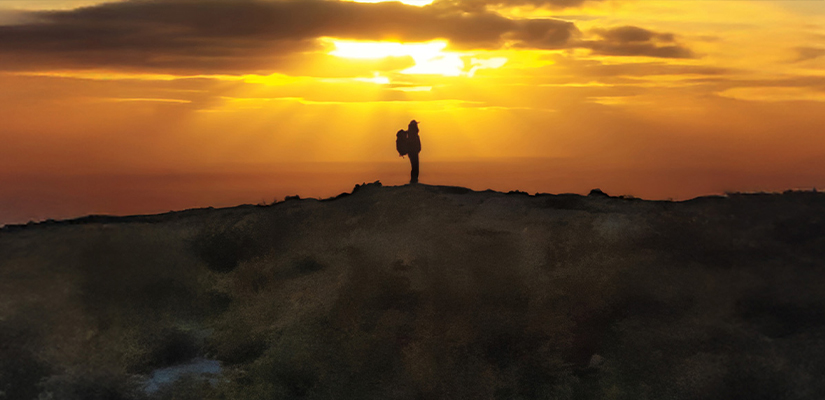
Directed by and starring photographer-filmmaker Dianne Whelan, 500 Days in the Wild chronicles Whelan’s audacious solo trek along the Trans Canada Trail—the world’s longest at some 24,000 kilometres—spanning hiking, biking, snowshoeing, skiing, and paddling from Newfoundland’s rocky shores to British Columbia’s Pacific edge. What begins as a planned 500-day sprint stretches into six years of real-life detours, weather woes, and profound self-reckoning, all captured by Whelan’s own cameras in over 800 hours of footage. It’s less a triumphant tick-list than a humble testament to the unpredictable rhythm of nature and the human spirit.
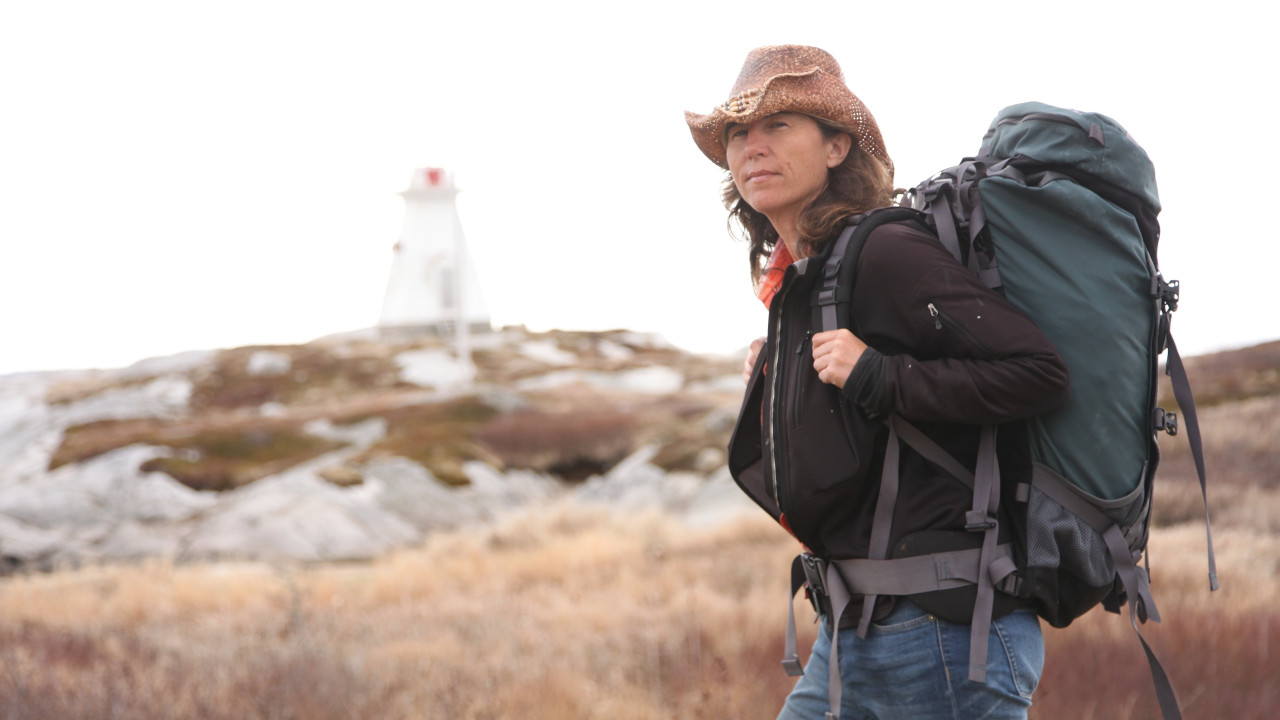
Whelan embarks not as a hardened ultra-athlete but as a woman in her fifties grappling with a recent breakup, global disillusionment, and a deep yearning to reconnect with something larger than herself. The film smartly sidesteps the typical “conquer the wilderness” trope, instead framing the journey as an act of listening—to the land, to strangers, and to her own fraying edges.
Visually, the film is a stunner, its self-shot intimacy blooming into moments of jaw-dropping poetry. Whelan’s lens captures Canada’s staggering diversity: mist-shrouded lakes, endless boreal forests, star-pricked night skies, and the intimate grit of insect swarms. Drone-like sweeps alternate with lo-fi handheld clips of her setting up camp or battling rip tides, creating a sense of unfiltered presence that professional crews rarely achieve. Paired with a soundtrack laced with iconic Canadiana, these images don’t just backdrop the story—they become its emotional core, reminding viewers why this vast country still stirs something primal in the soul.
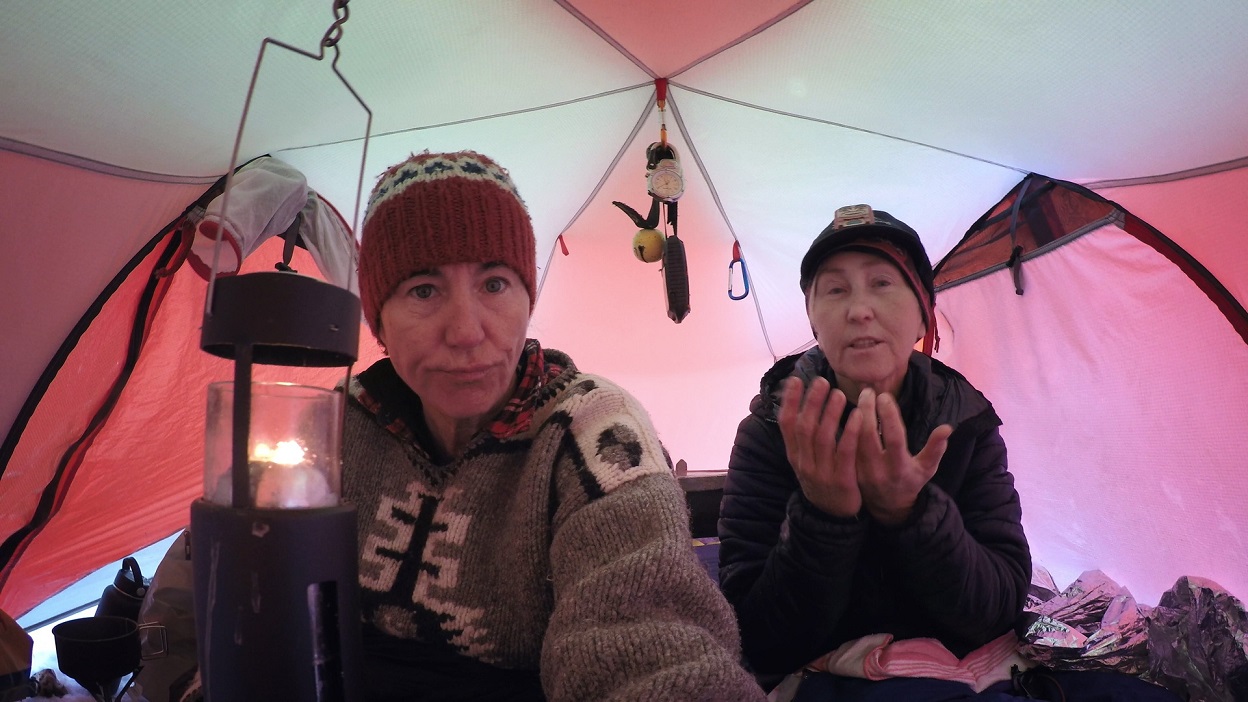
At its core, 500 Days in the Wild is about Whelan’s personal journey inward. We see her change from someone who starts out feeling skeptical—haunted by personal loss and influenced by media negativity—into someone who notices small acts of kindness. She experiences strangers helping her carry her canoe, hunters sharing whisky around a fire, and Indigenous Elders offering wise advice about living gently on the Earth. She also carries a feather from a Haida Elder as a sign of respect, recognizing the lands she crosses and thinking about her identity as a settler during calls for reconciliation. These elements create a story that’s about more than just the miles she travels. It highlights the meaningful relationships along the trail and values connection over personal achievement.
The physical toll is never glossed over, lending the film a bracing authenticity. Blisters, hypothermia threats, near-drownings, and bear-country tensions punctuate the beauty, while Whelan’s vulnerability shines in raw confessions and breakdowns. Unlike glossy survival tales, this feels lived-in and unvarnished—her body and spirit pushed to limits that mirror the land’s own unforgiving cycles. Yet amid the hardship, there’s joy in small victories: a perfectly timed sunset, the rhythm of paddles slicing water, or the simple relief of human connection after days alone.
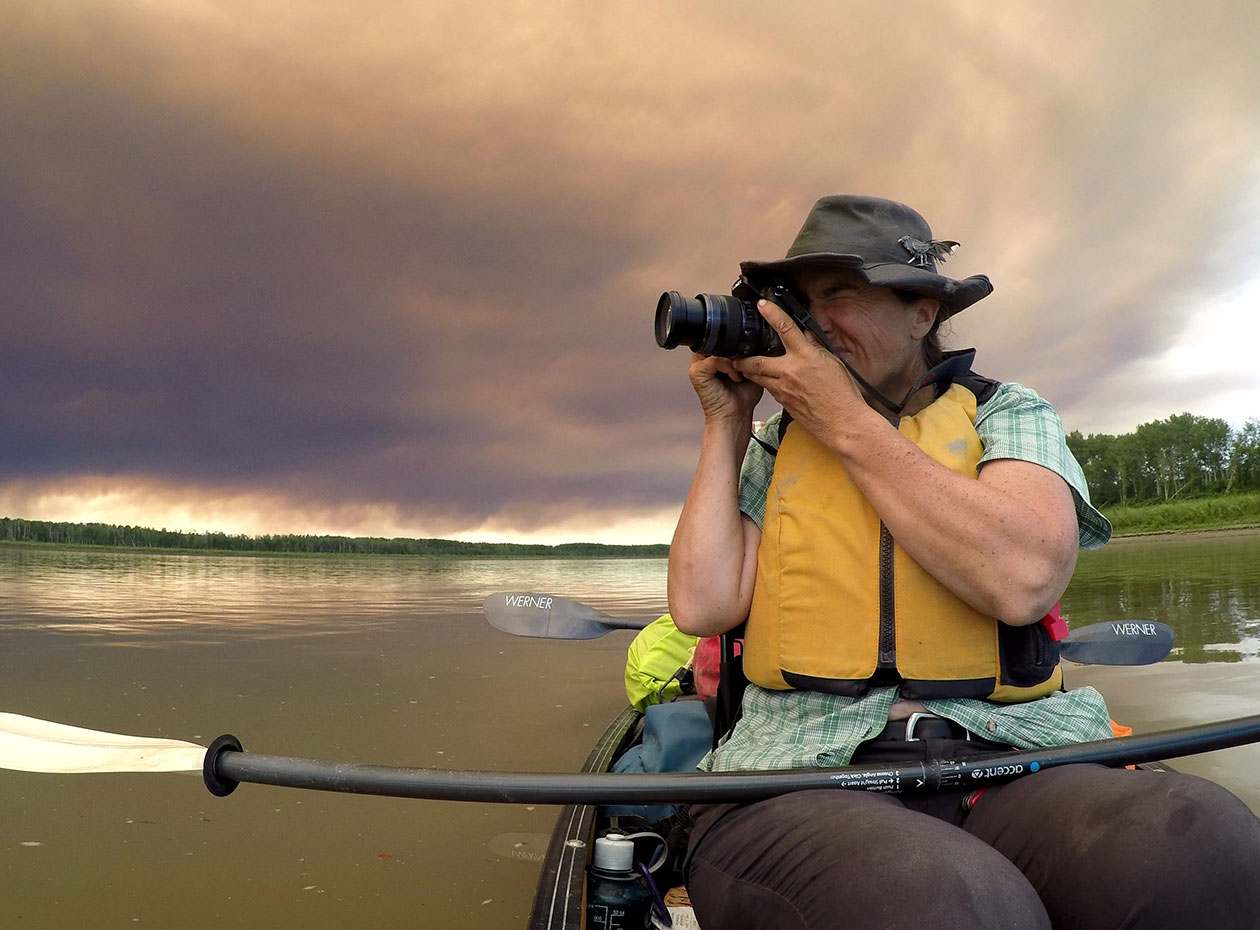
Ultimately, this is essential viewing for anyone who’s ever felt the pull of the horizon or the ache of something lost. 500 Days in the Wild doesn’t just document a trail; it illuminates the one we all walk within. Inspiring, imperfect, and profoundly moving, it earns its place as a modern Canadian classic, urging us to step outside and listen.
Season starts from April 16 at Luna Leederville and Luna on SX.

- Email: neill@outloudculture.com
- Socials: @frazer.live
- @neill.outloud





Leave a Reply