

featuring @sharmillfilms @lunapalacecinemas
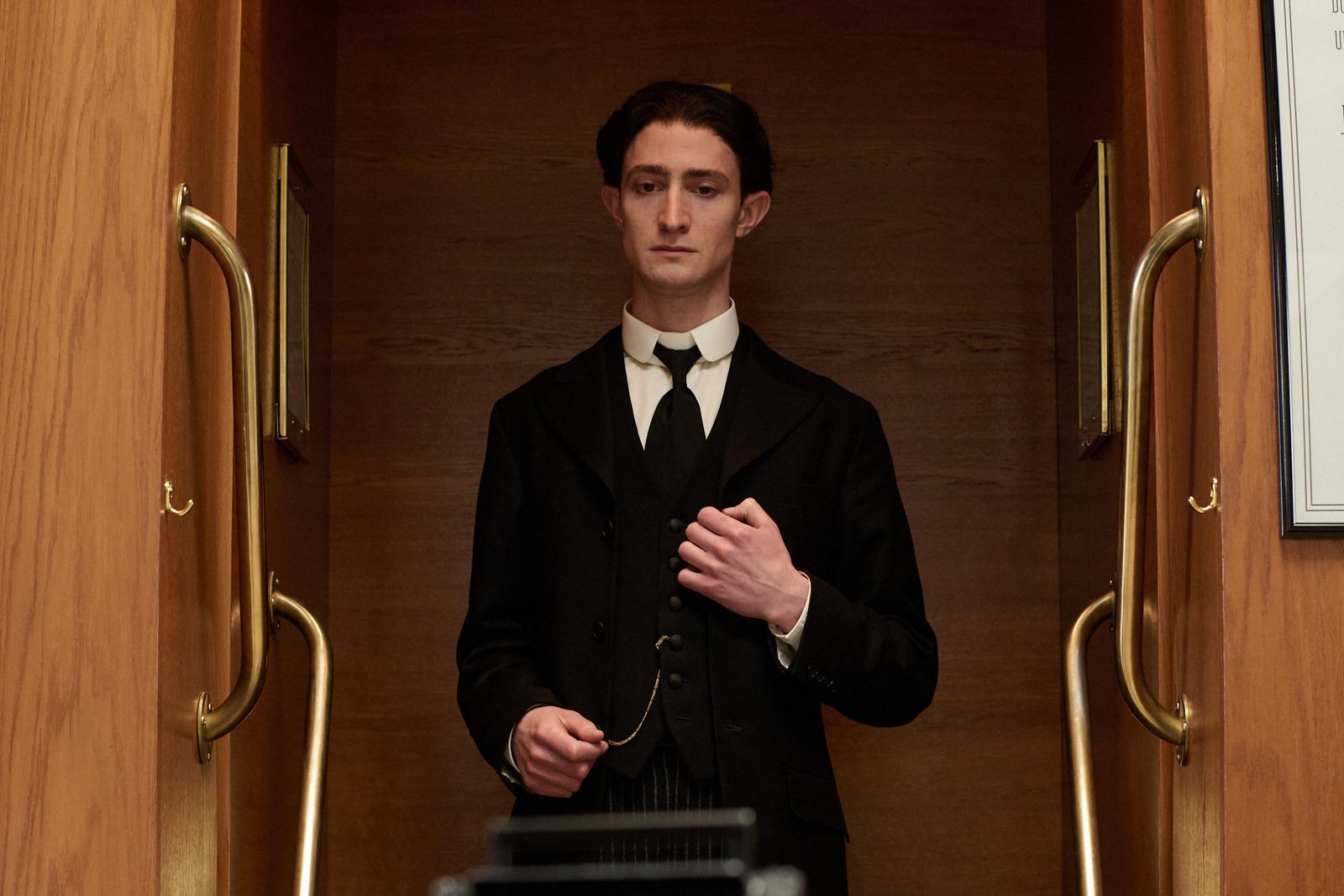
Agnieszka Holland’s Franz: Becoming Kafka is a bold capture of one of literature’s most enigmatic figures without falling into the traps of conventional biography. This film refuses the straightjacket of chronology, instead swirling through Franz Kafka’s life like pages caught in a whirlwind—flitting from his Prague childhood to his final days, with detours into his posthumous cultural afterlife.
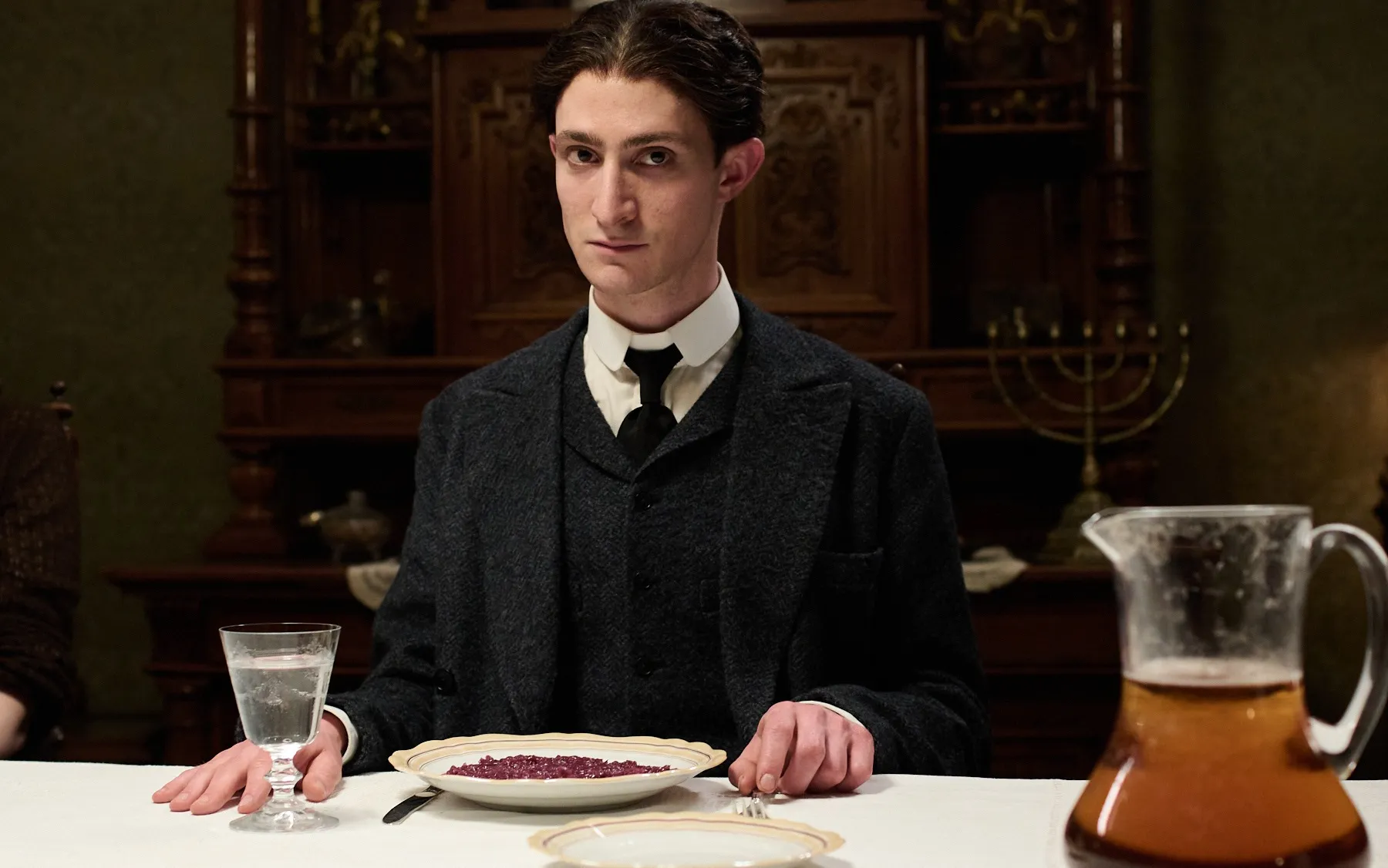
At the center is newcomer Idan Weiss, whose performance is frequently hailed as the film’s quiet triumph. Physically resembling Kafka and channeling his awkward charm, neurotic intensity, and subtle humor, Weiss carries the weight of the narrative. He portrays a man torn between intellectual depths and everyday frustrations: the insurance job, the domineering father (a strong Peter Kurth), fraught relationships with women like Felice Bauer and Milena Jesenská, and the quiet devotion of friend Max Brod.
Holland, working with screenwriter Marek Epstein, rejects the format of straightforward drama. It jumps across time to link Kafka’s neuroses and themes of alienation, power, and absurdity to our own era—complete with modern Kafka museum tours and commercial kitsch like “Kafka Burgers.” This approach yields real strengths. It captures Kafka’s inner world more vividly than a linear retelling could, emphasizing how his modest external life contrasted with his explosive literary imagination.
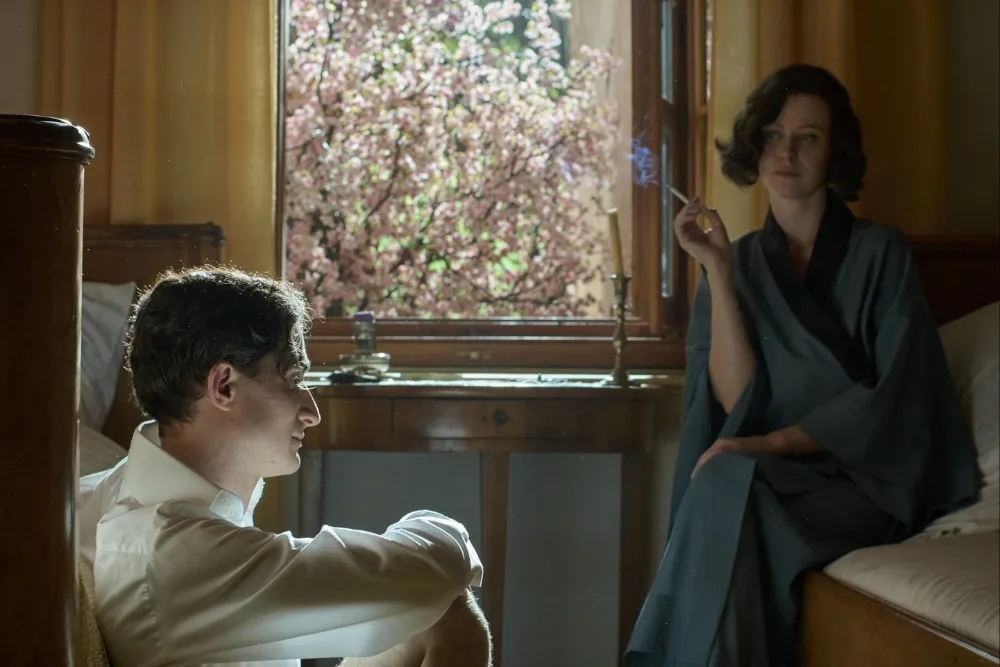
Yet the film’s ambition is a double-edged sword. I found the constant stylistic shifts exhilarating as it immerses you in Kafka’s headspace. At the same time it felt kind of scattered, a frenetic exercise that never quite lands a cohesive point of view beyond “Kafka was complicated and influential.” The tonal whiplash—earnest melodrama crashing into broad satire—can feel jarring rather than illuminating.
Franz: Becoming Kafka is less a definitive portrait than a prismatic one—beautifully imperfect, like its subject. It honors Kafka by refusing to pin him down, inviting us into the absurdity, tenderness, and alienation of his existence rather than lecturing us about it. Not every experiment succeeds, but the cumulative effect is a film that lingers, much like Kafka’s own stories: unsettling, strangely funny, and impossible to fully resolve. It may not be the Kafka film we expected, but it’s one he might have quietly appreciated.
Screening at Luna Leederville from May 21.

- Email: neill@outloudculture.com
- Socials: @frazer.live
- @neill.outloud





Leave a Reply