

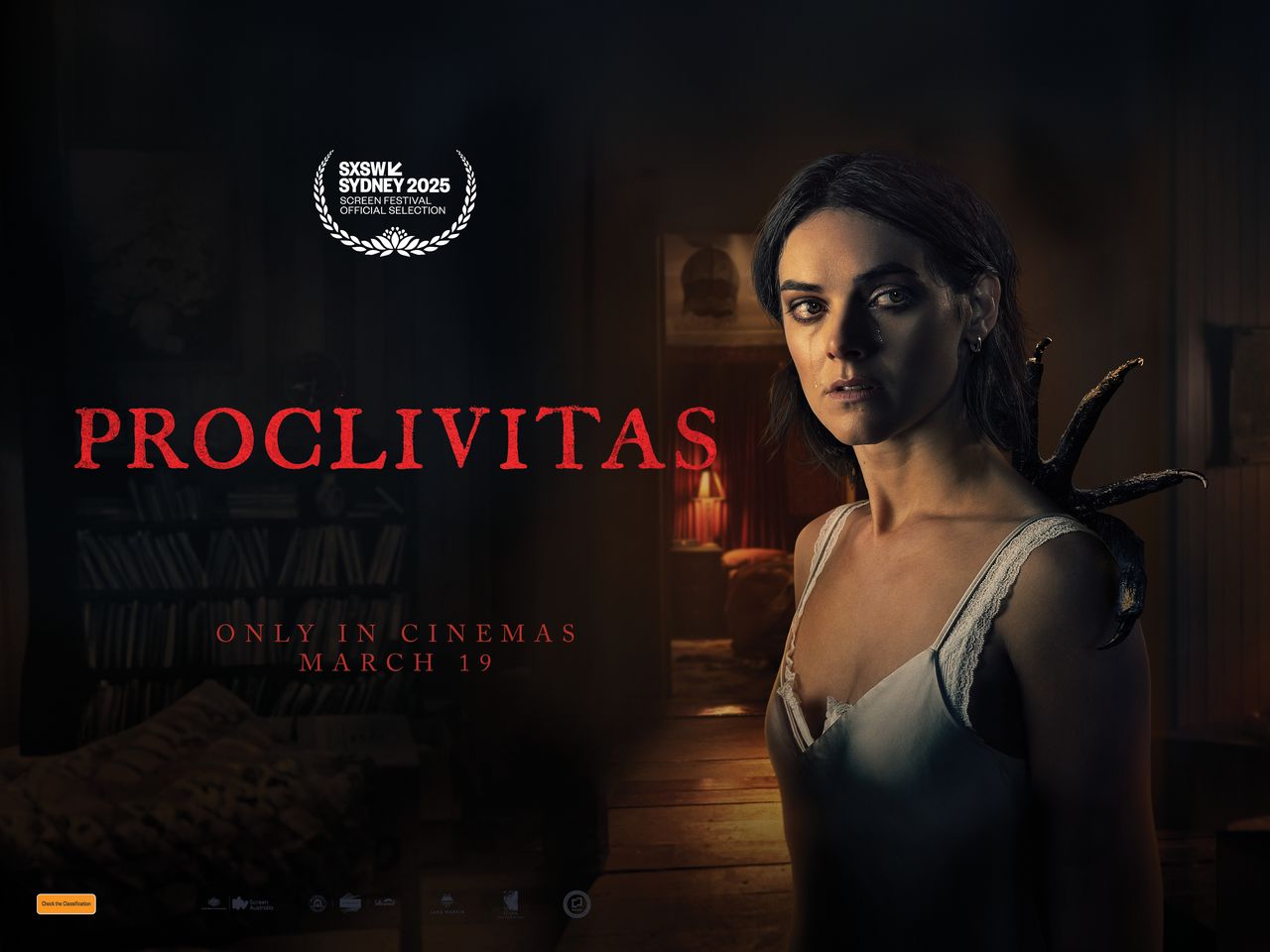
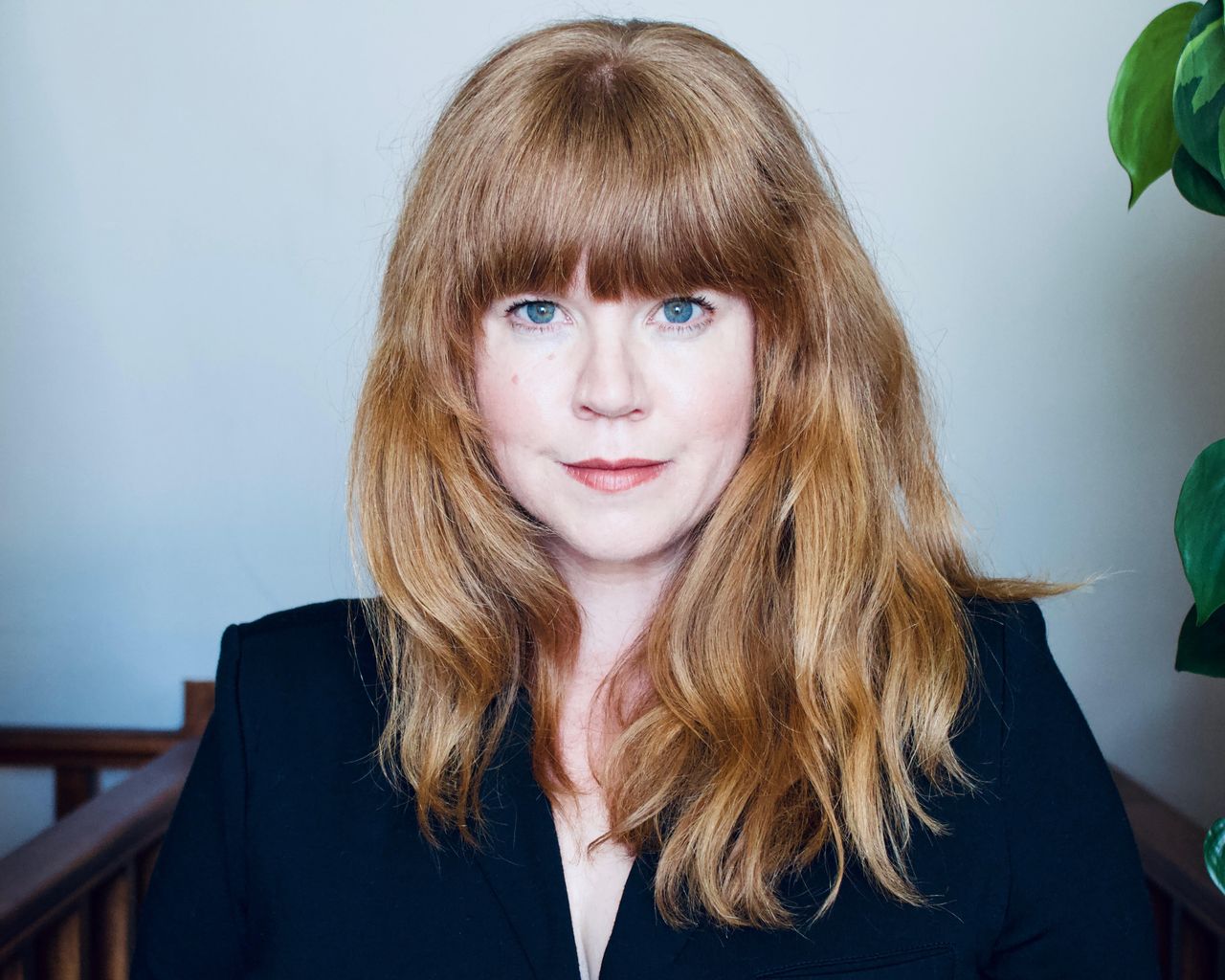
1. Miley, what inspired the title Proclivitas (from the Latin for ‘propensity for evil’), and how does it tie into the film’s central metaphor of the demon as an embodiment of addiction and relapse?
M:In naming this I knew I wanted to a one word title and I needed it to have a little complexity within the word to represent the layering of the thematics and emotion I was going for in the film. I got the idea to look up lesser known words for addiction and came across Proclivitas, first credited to Cicero to describe addiction and the propensity to it’s evils. It felt like a title that worked perfectly for what this film explores.
2. The film explores addiction recovery not as mere backdrop but as the core battlefield for the horror. Miley, what personal or observed experiences shaped your decision to weave such a raw, psychological portrayal of sobriety and vulnerability into a supernatural story?
M:I think important for me to bring lived experience and facets of who I am into the work. With this project it came after a very intense period of examining the coping mechanisms in my life that were no longer serving me and my relationship to pain. Bringing genre and in particular horror and supernatural elements into the story is such a great vehicle for creating metaphor and diving into such heavy subjects in a way that is still entertaining. I personally love films that address really heavy topics in a creative way using genre.
3. How did you balance the romantic reconnection between Clare and Jerry with the escalating dread? What was the key to making their chemistry feel authentic and emotionally high-stakes amid the horror elements?
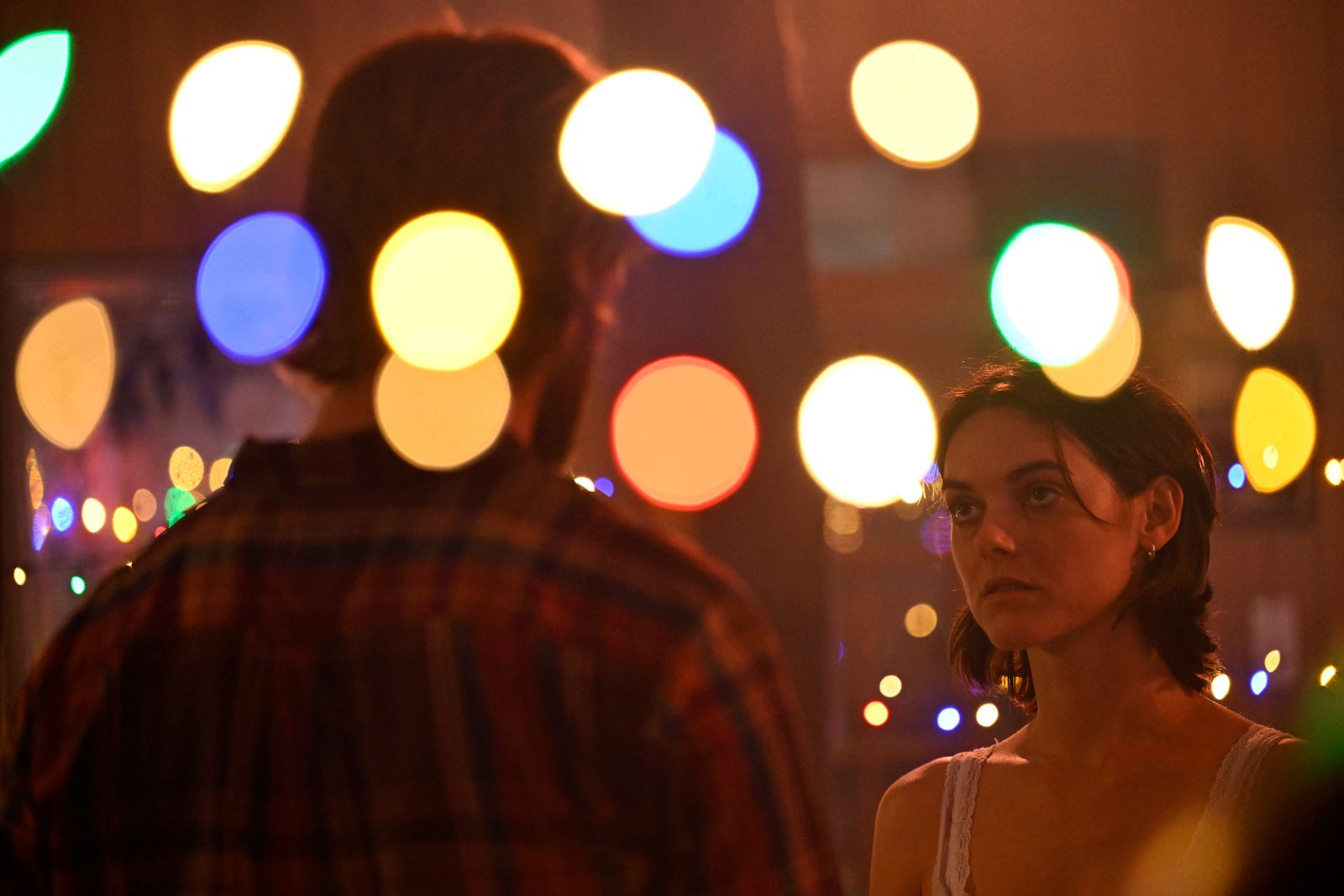
M: I wanted Clare and Jerry’s reconnection journey to feel like a romantic drama within a horror. I talked about films like Paris Texas, Blue Valentine and Past Lives with the actors and the crew. But all credit to the actors, Rose and George, who dove into the work with openness and commitment. I’m in awe of the incredible job they did in realising these characters and bringing so much authenticity and depth to this quite complex and emotionally fraught relationship.
4. Miley, as a debut feature director, what were some of the biggest challenges in shifting between tender, intimate romance scenes and the slow-burn psychological horror, and how did you maintain that tonal glide without losing momentum?
M: Something I just love, whether it’s comedy or horror, is moving between heightened moments and the grounded, very real character moments that can draw you into a character’s experience. It’s something I’m actually quite obsessed with, the craft of how to go between those two often tonally different moments without feeling like you stepped totally into a different film. For Clare, as a character she moves between these two worlds. Because much as she tries to forget, the horror is always there, waiting for her. So the shifts in the film are purposeful. When we’re in the moments of romance and steadiness of their relationship growing, it’s designed to relax the audience along with Clare. Give her, and us the space to lean in. When the switch to horror comes – either subtly, or with jarring intensity – it reminds us that we, like the characters, are not safe in this film.
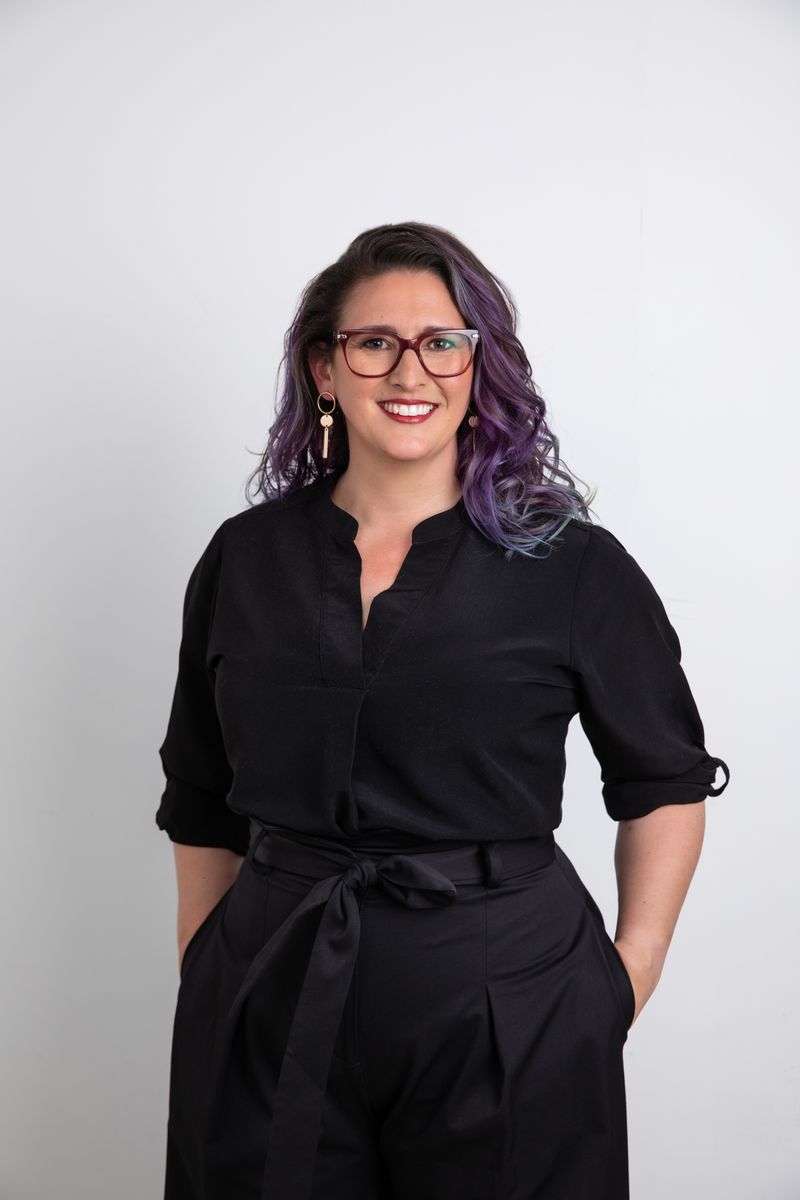
5. Kate, producing a contained, mood-driven horror on (presumably) independent resources is no small feat. What strategies did you use to achieve the film’s technical polish—especially the acclaimed sound design and atmospheric tension—while keeping the production manageable in Western Australia?
K:The biggest takeaway for me making this film has been how much of a miracle it is that any film gets made ever. There’s so much out of your control so I try to focus hard on the things I can control. For me, that came down to 20 years of working as a crew member before stepping into producing. I’d built real relationships with people who believed in the project enough to come on this journey with us, and I’d spent years stretching muscles in the no-budget short film space. I’ve learned exactly where you can make shortcuts and where it’s worth spending the money. Knowing the genre, knowing what the audience feels rather than just sees can help with budget decisions. In horror especially, sound is everything. Envelope Audio and the whole sound team have done such an incredible job and the cinema mix is just incredible. We knew early on that if we invested there, it would do work that no amount of extra camera days could.
6. The demon in Proclivitas feels deeply personal rather than a generic evil force. Miley, how did you develop its rules and manifestations to ensure it always felt rooted in Clare’s internal struggles, grief, and shame?
M:The demon is Clare‘s personal demon and so we made the rules of the monster specific to Clare‘s internal struggles. In the film Clare is a recovering addict and her demon represents her coping mechanism to pain – her addiction. And so we spent a lot of time going over and making sure the rules of the monster operated in the same way as Clare’s addiction did.
7. Filming in locations like Mundaring and drawing on Perth/WA settings adds a distinct Australian flavor. How did the local environment and culture influence the film’s tone, visuals, or themes, making it feel “defiantly Australian”?
K:While Miley was writing the script I was reading The Bush by Don Watson, and it really changed how I understood Australia’s relationship with the land, how the bush can represent getting lost, setting yourself free, and how it can consume you. Those themes felt so natural to what we were making that embracing the WA landscape stopped being a practical decision and became a creative one. There’s something that happens when you get really specific. The more particular a place feels, the more universal the emotional experience becomes. We wanted to make something that was defiantly Australian but could also feel like it could take place anywhere in the world. We’d originally looked further south — somewhere around Collie — but moving the shoot that far was beyond what we could afford. Mundaring became the solution that worked on every level: close enough to Perth that we weren’t carrying the costs of a full regional shoot, and still able to give us the landscape we needed. Sometimes the budget makes the creative decision for you, and you just have to trust it.
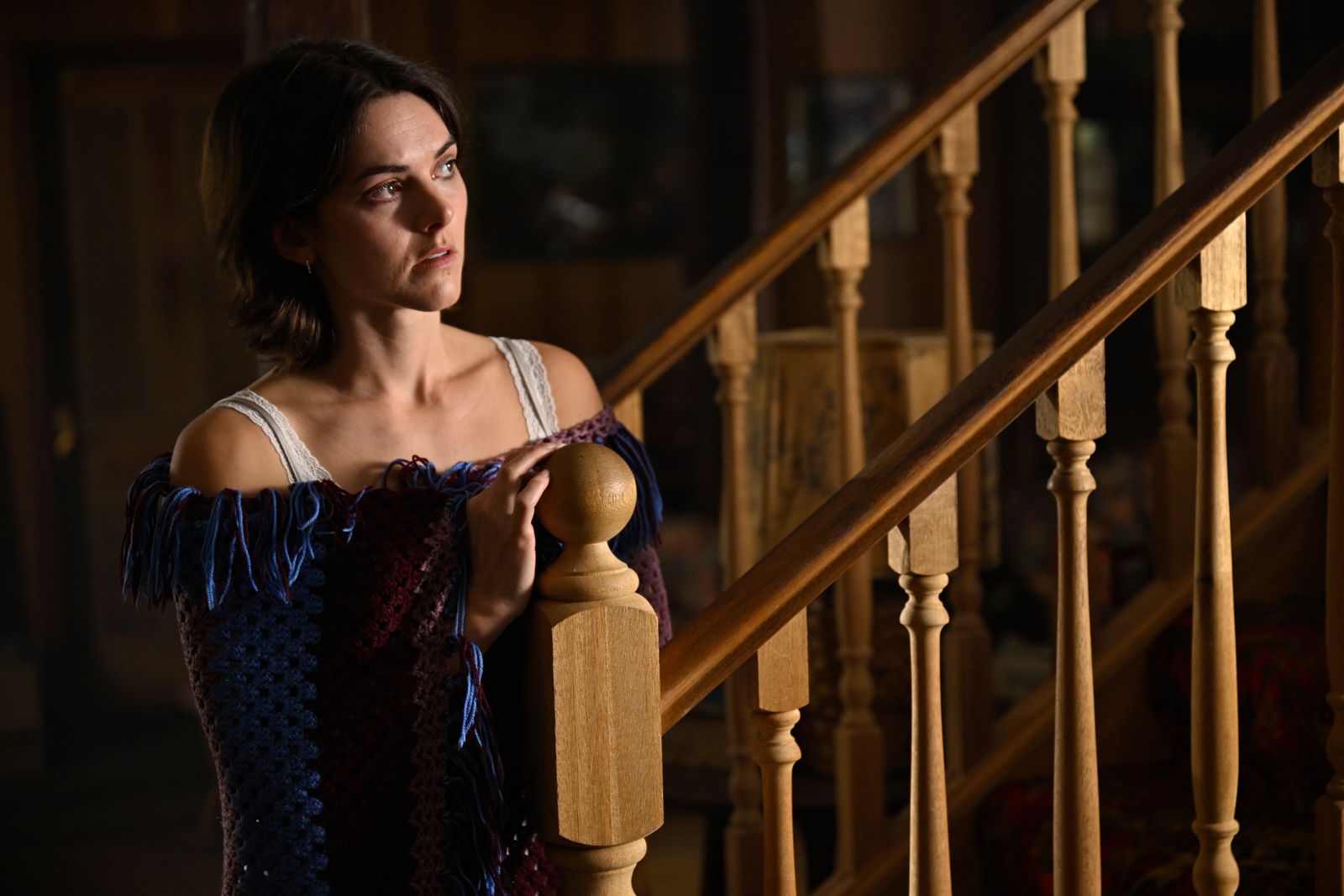
8. Rose Riley’s performance as Clare was outstanding. What was your collaboration like with Rose to bring such emotional fragility and strength to the role, and how did you guide her through the film’s intense psychological demands?
M:Rose is incredible. I feel so lucky to have been able to cast her as Clare. She came in with so much intelligence, openness and empathy and we were lucky enough to have rehearsal time and a lot of conversations about who the character was. When it came to the intense parts of filming, it’s hard you know, the actor is literally going through what you see on screen. It’s difficult to watch somebody going through that. I come from an acting background and I have so much empathy for actors. It’s important to create an environment of emotional safety and trust. It’s also important to have the conversation with the actor well in advance when they do scenes like this. It’s most likely not their first time, and they’re the experts in their process and what they’ll need to do it.
9. Kate, the film had its world premiere at SXSW Sydney, followed by local events like the Perth premiere and upcoming Q&A screenings. How has the audience response so far (especially from non-horror fans) shaped your perspective on the film’s reach and impact?
K: Festival audiences are a particular kind of barometer given they often come for reasons other than the film itself. They’ve been genuinely useful for understanding how Proclivitas travels beyond its obvious audience. What’s struck me most is watching non-horror fans not just respond to it, but actively recommend it to people who’d normally avoid the genre. That tells you something. Icon and I spent a lot of time talking about how to position this; horror has so many subgenres, and fear is so subjective, that getting the pitch right really matters. “Psychological horror” is where we’ve landed because it’s easily understood, but honestly I think what we’ve made sits somewhere closer to horror-romance – maybe we are defining a new subgenre.
10. Influences from Japanese horror’s slow-burn style and even Alien’s bodily violation themes have been noted. How did you draw from those while ensuring Proclivitas stands apart as an original, character-driven story?
M:Yes, I’m a huge film nerd. When bringing influences of other styles or films into your work it’s important that it’s not a direct copy but rather an interpretation through the style and vision of your film. For example, there’s this a pivotal moment that I wanted to do something similar to something that happens in Ghostbusters. But being such a totally different film, it wasn’t appropriate to do it the same way. Instead I worked with our incredible in order to filter it into the tone and emotion what our film needed it to be and emotionally it turned out quite specific to our film, but the subtle ohmage is still there.
11. Addiction and relapse are portrayed as seductive, almost possessive forces. What message or takeaway do you hope audiences carry away regarding mental health, recovery, and the “demons” we carry from our past?
M:There are so many different experiences of addiction, recovery and mental health. What I tried to concentrate on was the specifics of what I know to be true and I hope that within those specifics there is something that our audience can relate to. Even if they haven’t had a scary-ass demon chase them in the dark! I hope that the emotional journey that our character goes on is relatable and something that helps people who have struggled, or are currently struggling, feel seen.
12. Kate, as producer on a first feature (and handling much of it solo in some capacities), what were the biggest lessons learned about indie horror production in Australia, particularly around funding, crew, and distribution?
K:I was a solo producer of Proclivitas. We had an amazing group of executive producers and consultants that all bought value to the film but it’s a different role to being THE producer and there’s a reason people don’t solo produce. Ours was straightforward – we didn’t have the budget to bring on another producer. I’m genuinely grateful for it now, because it showed me exactly which parts of this job I love and thrive in and which parts I never want to do alone again. The distribution side has been the most eye-opening. Everything I thought about how theatrical distribution works seems to be changing in real time; windows, platform relationships, how you build an audience before a film even opens. It feels like the old roadmap has been torn up and nobody’s quite finished drawing the new one yet. I’m still learning that you have to be willing to let go of what you thought I might be and embrace what it is.

13. The film is praised for never letting horror eclipse humanity—every scare is earned through emotional stakes. Miley, how did you ensure the supernatural elements always served the characters’ arcs rather than overshadowing them?
M:Thank you so much. The most successful horror for me is when it’s tied into the characters fears and disrupt them from moving on. With Clare, every time she allowed herself to feel a bit of happiness and peace, the guilt and shame of her past rears up and holds her back. It felt right that these were the moments that the horror of the film would also rear up and affect her.
14. With Proclivitas marking a strong debut for both of you, what has the journey from concept to Australian cinema release taught you about collaboration between writer-director and producer, especially on a deeply personal project?
K:Like and respect the person you’re working with. It that sounds simple, but I’ve walked away from projects where I loved the material and didn’t connect with the creative, and I’d make that call again every time. Life is too short. With Miley, what made it work was that we trusted each other with the hard stuff. This film deals with grief, addiction, trauma. It required real honesty, the kind where you can push back and know it’s coming from the right place. That trust isn’t something you manufacture. You either have it or you don’t.
M:Like Kate said, the trust and respect is so important. The writer-director and producer relationship on a project can take years to complete. And getting through the intense highs and lows of the journey while still pushing yourself creatively requires that.
15. Looking ahead, what do you hope Proclivitas contributes to Australian genre filmmaking, particularly in blending psychological depth, emotional resonance, and horror in a way that appeals beyond traditional fans?
K:I’d love to see WA genre cinema take up more space in the conversation about what Australian horror can be. The West Coast Visions initiative from Screenwest exists to show what’s possible from this corner of the country, and when I think about what we made with limited resources, I feel genuinely proud. But more than that, I feel like it’s a proof of concept. Look at what we did with pretty much no money! Imagine what we can do next! In ten years, I’d love people to talk about Proclivitas the way we talked about The Babadook and Relic when we were pitching this film. As a marker. As proof that something new was starting.
M:In terms of Australian filmmaking, I’ve had so many incredible examples of female genre directors (Kate mentioned a couple) that led the way with bold ideas and craft, and inspired me in my journey. I would be thrilled if the film encourages new filmmakers in the way that I have had – to forego perfectionism, to take scary creative risks, be brave and bold and to bring a part of themselves to work they’re passionate about.

- Email: neill@outloudculture.com
- Socials: @frazer.live
- @neill.outloud
Leave a Reply