



















Jodie Foster delivers a masterclass in A Private Life, stepping into the role of Lilian Steiner, a renowned American psychiatrist practicing in Paris. When one of her patients dies in what appears to be a suicide, Lilian becomes convinced it was murder and launches her own private investigation. Directed by Rebecca Zlotowski, the film blends psychological drama, mystery, and a touch of French arthouse flair, with strong supporting turns from Daniel Auteuil as her ex-husband and others like Mathieu Amalric. Foster, speaking fluent French throughout (with the occasional English curse for emphasis), anchors the proceedings with her trademark intensity.
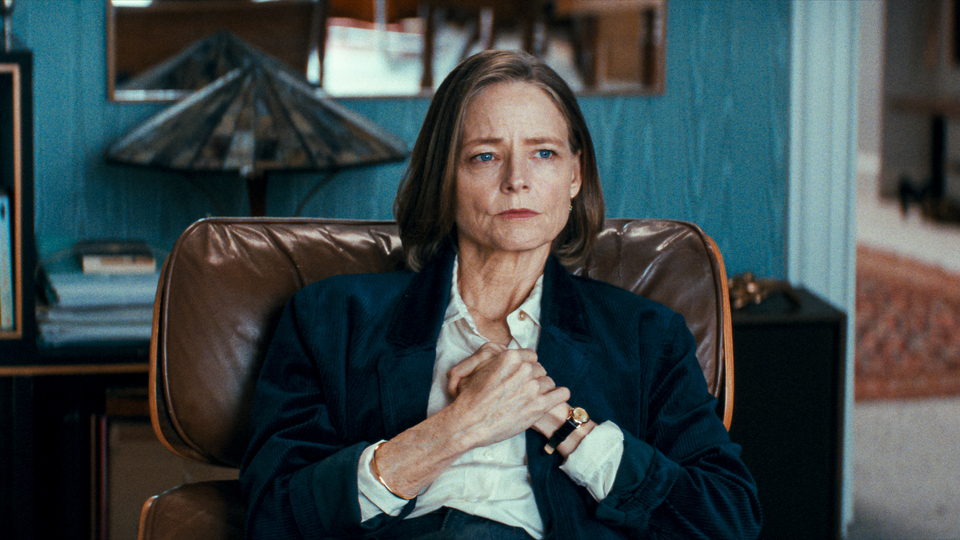
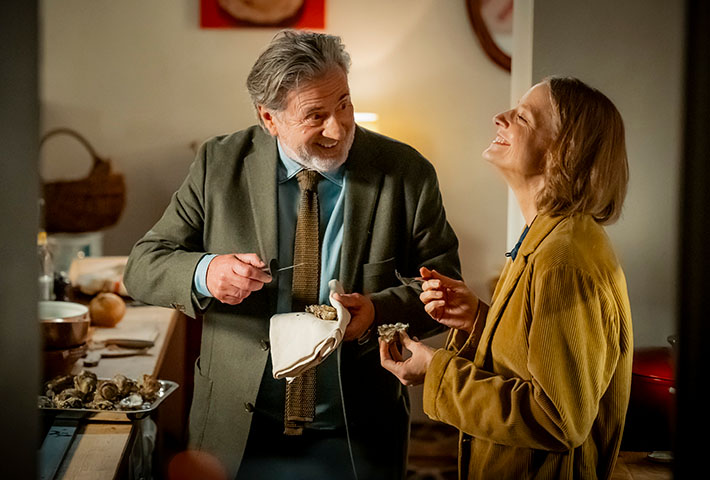
Conceptually, this is fertile ground for a compelling story: a high-achieving professional confronting potential failure in her work, intertwined with personal regrets, family dynamics, and broader themes of trauma, skepticism toward psychoanalysis, and self-doubt. Yet, as executed, the film often feels disorganized and tonally unsteady. There’s a persistent comedic undercurrent to Lilian and her ex-husband’s amateur sleuthing efforts—quirky situations and banter that undercut the gravity of the suspected crime and the emotional stakes. This leaves you unsure whether to invest seriously in the hunt for the culprit or view it all with a detached, almost ironic eye. The result? The mystery loses its tension and intrigue. Instead of a gripping thriller, it pivots more toward a character study of Lilian’s professional and personal unraveling.
The mystery itself is quite simple, serving primarily as a vehicle to explore Lilian’s issues rather than delivering clever twists or high suspense. The story throws up numerous threads—psychoanalytic doubts, Jewish family histories and intergenerational trauma, relationship complications, and hypnotic or flashback sequences—without resolving them in satisfying ways. The climax lacks thrill if approached as a traditional mystery, and the ending prioritizes Lilian’s self-discovery over any dramatic unveiling of the perpetrator.
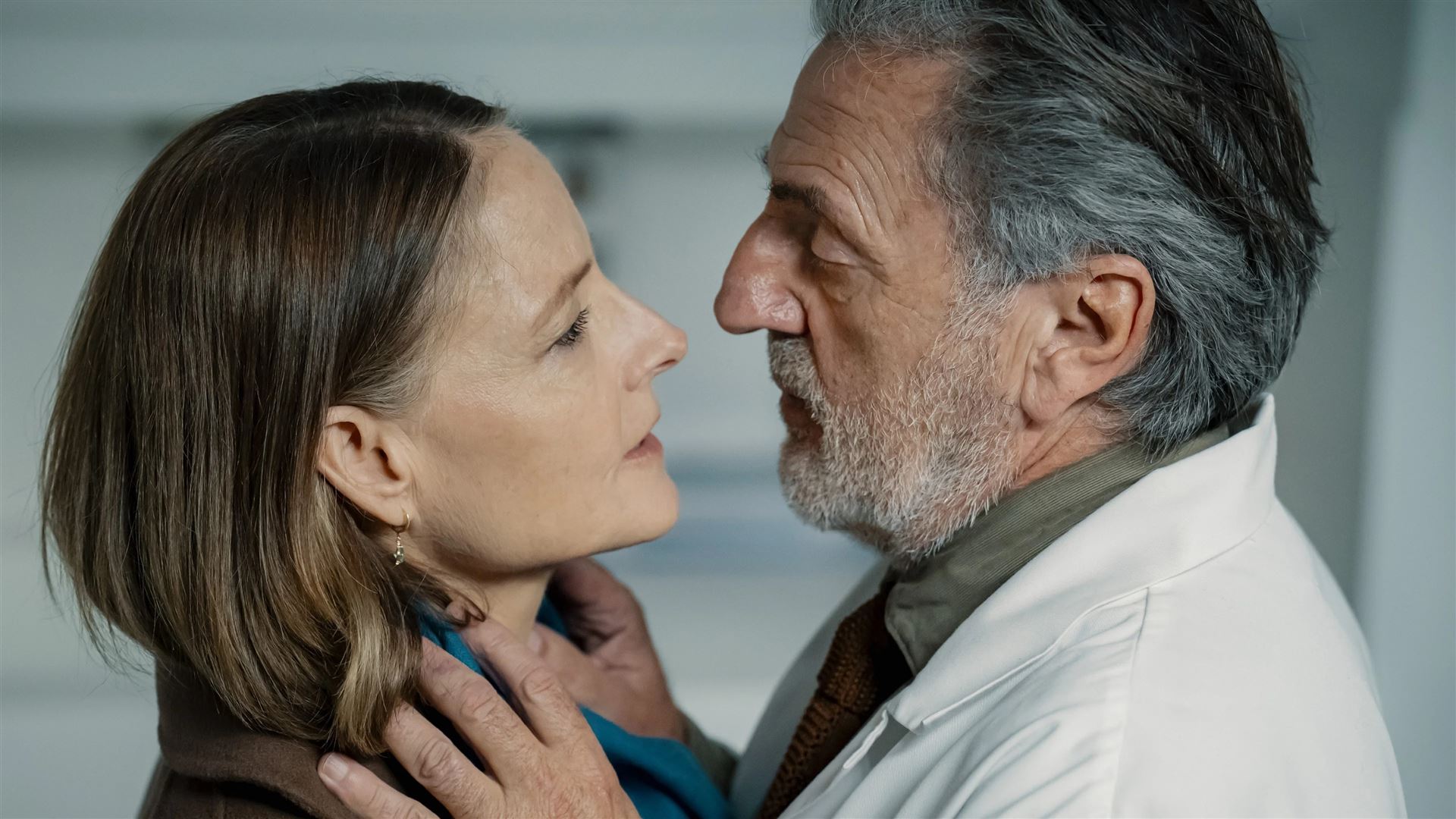
Foster though steals every scene she’s in, making Lilian’s stubborn determination and creeping vulnerabilities feel authentic and layered. Her performance elevates the material significantly, and the chemistry with Auteuil adds warmth and humor. However, the surrounding execution—script, direction, and pacing—feels complicated and scattered by comparison. It’s a fascinating idea for a film, particularly for fans of thoughtful psychological dramas or Foster’s work, but it lands as rather dull in practice.
In the end, A Private Life is a flawed but watchable effort: conceptually appealing as a grown-up, Francophone character-driven mystery, yet hampered by its inability to commit fully to either comedy or suspense. It offers enough elegant moments and strong acting to hold interest for admirers of the cast or the genre, but its ambitions may leave others, like this viewer, more disengaged than enlightened. Worth seeing for Foster alone, but it doesn’t fully live up to its potential.